
Sanitizing Wipes
Filters Clear All
Brands
Price
Applicable Material
Application
Chemical Compound
Color(s)
Dirt Types
For Use With
Length
Material(s)
Number of Plies
Number of Towels/Wipes Per Container
Packaging
Product Packaging
Scent
Towel/Wipe Type
Width



1-2 Day Delivery
$73.34 $171.31
Case of 960($0.08/Each)
Choose Your Frequency:
Volume Pricing Price/Pack
-
3 - 16$71.51
-
17 - 40$68.45
-
41+$67.23
1-2 Day Delivery
$3.13 $6.58
Choose Your Frequency:
Volume Pricing Price/Pack
-
5 - 165$3.05
-
166+$2.92
1-2 Day Delivery
$20.59 $28.66
Box of 120($0.17/Each)
Choose Your Frequency:
Volume Pricing Price/Pack
-
5 - 46$20.08
-
47 - 145$19.22
-
146+$18.88
1-2 Day Delivery
$97.69 $178.59
Case of 4($24.42/Pack)
Choose Your Frequency:
Volume Pricing Price/Pack
-
2 - 11$95.25
-
12 - 30$91.18
-
31+$89.55
1-2 Day Delivery
$79.15 $130.58
Case of 2($39.58/Each)
Choose Your Frequency:
Volume Pricing Price/Pack
-
3 - 15$77.17
-
16+$73.88
1-2 Day Delivery
$41.18 $65.29
Choose Your Frequency:
Volume Pricing Price/Pack
-
3 - 24$40.15
-
25+$38.44
1-2 Day Delivery
$33.10 $43.41
Case of 12($2.76/Pack)
Choose Your Frequency:
Volume Pricing Price/Pack
-
3 - 28$32.27
-
29+$30.89
1-2 Day Delivery
$4.72 $11.07
Pack of 84
Choose Your Frequency:
Volume Pricing Price/Pack
-
5 - 126$4.60
-
127 - 636$4.40
-
637+$4.32
1-2 Day Delivery
$39.07 $88.56
Case of 8($4.88/Pack)
Choose Your Frequency:
Volume Pricing Price/Pack
-
3 - 25$38.10
-
26 - 76$36.47
-
77+$35.82
1-2 Day Delivery
$2.83 $4.63
Choose Your Frequency:
Volume Pricing Price/Pack
-
5 - 177$2.76
-
178+$2.64
1-2 Day Delivery
$33.98 $55.56
Case of 12($2.83/Each)
Choose Your Frequency:
Volume Pricing Price/Pack
-
3+$33.13
1-2 Day Delivery
$108.94 $158.16
Case of 6($18.16/Each)
Choose Your Frequency:
Volume Pricing Price/Pack
-
2 - 11$106.21
-
12 - 27$101.67
-
28+$99.86
1-2 Day Delivery
$18.16 $26.36
Choose Your Frequency:
Volume Pricing Price/Pack
-
5 - 51$17.70
-
52 - 165$16.95
-
166+$16.64
1-2 Day Delivery
$82.16 $135.54
Case of 6($13.69/Each)
Choose Your Frequency:
Volume Pricing Price/Pack
-
3 - 15$80.11
-
16 - 36$76.69
-
37+$75.32
1-2 Day Delivery
$115.03 $189.78
Case of 2($57.52/Each)
Choose Your Frequency:
Volume Pricing Price/Pack
-
2 - 10$112.16
-
11 - 26$107.36
-
27+$105.45
1-2 Day Delivery
$11.06 $17.68
Choose Your Frequency:
Volume Pricing Price/Pack
-
5 - 71$10.79
-
72 - 271$10.33
-
272+$10.14
1-2 Day Delivery
$60.36 $106.08
Case of 6($10.06/Each)
Choose Your Frequency:
Volume Pricing Price/Pack
-
3 - 19$58.85
-
20 - 49$56.34
-
50+$55.33
1-2 Day Delivery
$26.00 $46.05
Case of 552($0.05/Sheet)
Choose Your Frequency:
Volume Pricing Price/Pack
-
5+$25.35
1-2 Day Delivery
$23.76 $333.44
Case of 56($2.97/Pack)
Choose Your Frequency:
Volume Pricing Price/Pack
-
5 - 42$23.17
-
43 - 126$22.18
-
127+$21.78
1-2 Day Delivery
$75.01 This item is listed at the minimum advertised price.
Case of 12
Choose Your Frequency:
Volume Pricing
1-2 Day Delivery
$62.02 $109.60
Case of 1000($0.06/Each)
Choose Your Frequency:
Volume Pricing
1-2 Day Delivery
$73.11 This item is listed at the minimum advertised price.
Case of 12
Choose Your Frequency:
Volume Pricing
1-2 Day Delivery
$7.45 $11.80
Choose Your Frequency:
Volume Pricing Price/Pack
-
5 - 92$7.27
-
93 - 402$6.96
-
403+$6.83
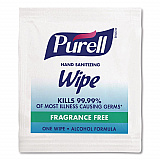
1-2 Day Delivery
$66.20 $109.65
Case of 1000($0.07/Each)
Choose Your Frequency:
Volume Pricing Price/Pack
-
3 - 18$64.55
-
19 - 45$61.79
-
46+$60.69
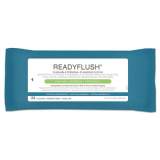
1-2 Day Delivery
$55.19 $97.73
Pack of 24
Choose Your Frequency:
Volume Pricing Price/Pack
-
3 - 20$53.81
-
21 - 54$51.51
-
55+$50.59
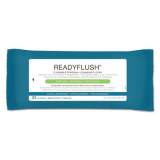
1-2 Day Delivery
$55.19 $97.73
Case of 24($2.30/Each)
Choose Your Frequency:
Volume Pricing Price/Pack
-
3 - 20$53.81
-
21 - 54$51.51
-
55+$50.59
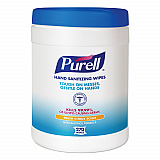
1-2 Day Delivery
$13.58 $26.12
Choose Your Frequency:
Volume Pricing Price/Pack
-
5 - 62$13.24
-
63 - 220$12.68
-
221+$12.45
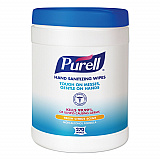
1-2 Day Delivery
$81.49 $156.72
Case of 6($13.58/Each)
Choose Your Frequency:
Volume Pricing
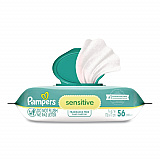
1-2 Day Delivery
$3.37 $5.98
Pack of 56
Choose Your Frequency:
Volume Pricing Price/Pack
-
5 - 157$3.29
-
158 - 889$3.15
-
890+$3.09
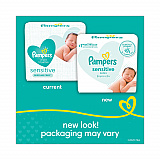
1-2 Day Delivery
$29.29 $47.84
Case of 8($3.66/Pack)
Choose Your Frequency:
Volume Pricing Price/Pack
-
5 - 37$28.56
-
38 - 102$27.34
-
103+$26.85
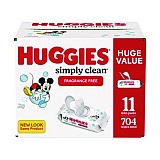
1-2 Day Delivery
$26.02 $30.36
Case of 11($2.37/Pack)
Choose Your Frequency:
Volume Pricing Price/Pack
-
5 - 40$25.37
-
41+$24.28

Sanitizing wipes for fast, consistent surface cleaning
Sanitizing wipes help teams clean and reduce germs on frequently touched surfaces without mixing chemicals or managing spray bottles. They are a practical choice for offices, schools, restaurants, childcare, and healthcare areas where speed, compliance, and repeatable results matter. With bulk case packs and a wide assortment, its easier to standardize across locations and keep carts, stations, and breakrooms stocked.
Whether you are supporting daily wipe-downs or building a restock program, buying by the case lowers cost-per-wipe and reduces emergency orders. If you need adjacent hand hygiene solutions, pair wipes with Hand Sanitizers for personal use, or set up entry points with Hand Sanitizer Dispensers to improve compliance in shared spaces.
How to choose the right sanitizing wipes
Active ingredients and surface compatibility
Most commercial sanitizing wipes use one of these approaches:
- Quaternary ammonium (quat) formulas: Common for everyday sanitizing on hard, non-porous surfaces. Often used in facilities programs due to broad usability.
- Alcohol-based wipes: Fast drying and convenient for many touchpoints. Confirm suitability for plastics, screens, and finishes.
- Hydrogen peroxide-based options: Used in some settings for strong performance and residue considerations.
Always verify the label for approved surfaces and contact time. Some finishes (certain plastics, varnished wood, specialty coatings) can be sensitive to repeated exposure. When in doubt, test a small area first and follow manufacturer guidance.
Sanitizing vs disinfecting: match the claim to your protocol
Sanitizing typically targets a reduction of bacteria to public health standards, while disinfecting is a higher-level claim that may include viruses and other pathogens depending on the product and registration. Buyers should align wipes to site requirements, audit expectations, and written SOPs. If your program requires disinfectant claims, confirm the product registration and the organisms listed on the label.
Contact time, dwell time, and real-world throughput
Contact time is the amount of time the surface must remain visibly wet to meet the label claim. In high-traffic environments, shorter contact times can improve throughput and reduce rework. Train staff to use enough wipes to keep surfaces wet for the required duration, especially on larger tables, restroom touchpoints, and shared equipment.
Wipe material, size, and dispenser format
Performance is not only chemistry. Consider:
- Wipe strength: Thicker substrates resist tearing on textured surfaces and equipment.
- Sheet size: Larger sheets cover more area per pull, reducing total wipes used.
- Canister vs soft pack: Canisters work well at fixed stations; soft packs are easy for carts, vehicles, and mobile crews.
- Pop-up dispensing: Reduces waste and supports one-handed use.
Where sanitizing wipes fit in your hygiene program
Common use cases by industry
- Offices and commercial buildings: Desks, conference rooms, breakrooms, shared devices, elevator buttons.
- Schools and childcare: Desks, cafeteria tables, shared supplies, play areas (follow site policies and label directions).
- Restaurants and foodservice: Front-of-house touchpoints, highchairs, POS areas (use products appropriate for food-contact surfaces when required by your procedures).
- Healthcare and clinics: Waiting areas, exam room touchpoints, non-critical equipment exteriors (follow facility protocols).
For complete hand hygiene coverage, many buyers build a bundle: wipes for surfaces, plus wash stations supported by Hand Soaps and Soap Dispensers. This keeps both surface and hand hygiene aligned with policy and inspection expectations.
Bulk purchasing and standardization across locations
Case ordering helps procurement teams lock in consistent SKUs, reduce substitutions, and simplify training. Standardizing on a small set of approved wipes also makes it easier to manage SDS documentation, storage rules, and staff instructions. If you run multiple sites, consider setting reorder points based on wipes-per-day usage and peak season demand.
What to check before you buy
Compliance, documentation, and storage
- Label claims: Confirm sanitizing or disinfecting claims match your SOP.
- Registration and listings: For regulated environments, verify required registrations and any applicable lists referenced by your compliance team.
- SDS availability: Keep Safety Data Sheets accessible for staff and audits.
- Shelf life: Rotate stock and store per label to prevent dry-out and performance loss.
Refill strategy to reduce total cost
High-volume sites often lower cost by choosing refillable systems and keeping extra refills on hand. If your stations use refill formats, add Hand Sanitizer Refills and Soap Refills to your recurring order to avoid downtime and last-minute freight.
Why buy sanitizing wipes here
You get a deep, ready-to-ship assortment (100+ SKUs) from trusted brands like PURELL, GOJO, Medline, Seventh Generation, and more. Low pricing and case quantities support budget control, while 1-2 day shipping helps you stay ahead of demand spikes. If you need help choosing the right wipe chemistry, format, or case pack for your facility, our customer support team can guide you to a spec that fits your protocol and surfaces.
Sanitizing Wipes FAQ
Are sanitizing wipes the same as disinfecting wipes?
Not always. Sanitizing wipes reduce bacteria to public health standards, while disinfecting wipes have higher-level claims that may include viruses and other pathogens. Check the label claims and required contact time for your protocol.
Can I use sanitizing wipes on food-contact surfaces?
Only if the label allows it and your SOP supports it. Some products require a potable water rinse after use on food-contact surfaces. Always follow label directions and local policy.
How do I prevent canisters from drying out?
Keep lids closed between uses, store within the recommended temperature range, and rotate inventory by date. For high-use areas, choose dispenser formats that seal well and set reorder points to avoid partially used canisters sitting too long.
What contact time should I look for when buying sanitizing wipes in bulk?
Use the contact time listed on the product label. Shorter contact times can improve throughput in high-traffic areas, but the surface must stay visibly wet for the full duration to meet the claim.
Which wipe format is best for janitorial carts and mobile teams?
Soft packs and smaller canisters are typically easier to carry and store on carts. For fixed stations, larger canisters with pop-up dispensing can reduce waste and speed up cleaning.