
Glassware Cleaners

Filters Clear All
Price
Application
Capacity (Weight)
Chemical Compound
Dirt Types
Packing Type
Physical Form
Product Packaging
Scent
Volume Capacity

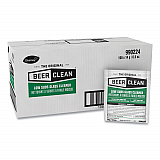
1-2 Day Delivery
$48.45 This item is listed at the minimum advertised price.
Case of 100
Choose Your Frequency:
Volume Pricing
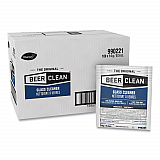
1-2 Day Delivery
$47.95 This item is listed at the minimum advertised price.
Case of 100
Choose Your Frequency:
Volume Pricing
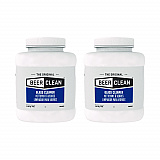
1-2 Day Delivery
$59.64 $74.65
Case of 2($29.82/Each)
Choose Your Frequency:
Volume Pricing
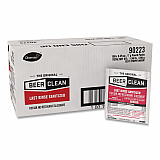
1-2 Day Delivery
$53.65 Great news! The price of this item drops at checkout, but we can't show it here due to manufacturer restrictions. Add it to your cart to see your exclusive deal!
Case of 100
Choose Your Frequency:
Volume Pricing

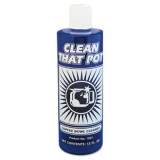
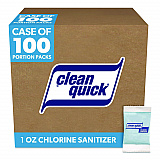
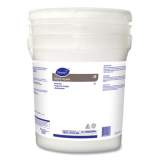
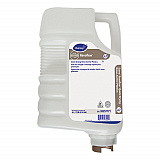
Commercial glassware cleaners for clear, streak-free results
Glassware is one of the first things customers notice. The right glassware cleaner helps reduce lipstick marks, haze, and lingering odors while supporting consistent results across busy shifts. This category is built for commercial warewashing programs in bars, restaurants, banquet facilities, and any operation running high turnover on glassware.
Choose from a wide assortment of proven options from brands like Diversey, Clean Quick, and Clean That Pot. With over 100 SKUs available, its easier to match chemistry to your machine, water conditions, and soil load, then buy in bulk to keep costs predictable.
What glassware cleaners are designed to remove
Glassware soils are different from plates and pans. Many issues come from a mix of beverage residues and mineral content in the water. Commercial glassware cleaners are formulated to target:
- Protein and sugar residues from beer, wine, soda, and juice
- Lipstick and cosmetic films
- Oily residues that cause sheeting and poor head retention on beer glasses
- Odors that cling to glass and plastic drinkware
- Light mineral haze that can build up when water is hard or rinse conditions are off
For best results, glassware cleaning is a system: detergent selection, correct dosing, proper wash temperature, and a compatible rinse aid. If you are troubleshooting haze or spotting, support can help you narrow down whether the issue is chemistry, water hardness, or machine setup.
How to choose the right glassware cleaner
Match the formula to your warewashing setup
Start with how you wash: undercounter machines, door-type units, conveyor systems, or manual three-compartment sinks. Many commercial glassware cleaners are optimized for automatic dish machines with controlled dosing, while others are intended for manual washing. If you are unsure, confirm the product is labeled for your application and follow the dilution or feed-rate guidance.
Consider water hardness and mineral load
Hard water is a common cause of cloudy glassware and spotting. In hard-water locations, you may need a stronger detergent profile, adjusted dosing, or additional support from rinse chemistry. If you already use water treatment, you can often run a milder cleaner while maintaining clarity and reducing chemical spend.
Balance cleaning power with glass protection
Overly aggressive chemistry or incorrect concentration can contribute to etching over time. Choose a cleaner intended for glassware, then keep dosing consistent. Buying the right size packaging and setting a reorder cadence helps prevent last-minute substitutions that can lead to inconsistent results.
Think about throughput and labor
High-volume programs benefit from concentrated products and reliable dispensing. Concentrates reduce storage space and can lower freight costs per use when purchased by the case. If you are running multiple stations, standardizing on one or two core cleaners can simplify training and reduce errors.
Bulk buying and operational advantages
Warewashing chemicals are a recurring purchase, and glassware cleaners are no exception. Ordering by the case helps you:
- Reduce per-unit cost and protect margins
- Minimize emergency orders and downtime
- Keep consistent results across shifts and locations
- Plan deliveries around par levels and storage capacity
Fast 1-2 day shipping supports operations that cannot afford to run short, and low pricing makes it easier to stock the right chemistry instead of stretching product beyond recommended use.
Compliance, safety, and training considerations
Commercial cleaners should be handled according to the label and SDS. Train staff on proper dilution, PPE, and storage. Clear labeling and consistent dispensing reduce the risk of overuse, underuse, and chemical mixing errors. If your facility has specific requirements, confirm the product is appropriate for your local regulations and your internal safety program.
Common troubleshooting: haze, spots, and odor
Cloudy or hazy glassware
Haze can come from hard water minerals, low wash temperature, insufficient detergent, or worn glass. Verify machine temperature, check dosing, and confirm water hardness. If the haze is permanent, it may be etching rather than residue.
Spots and streaks
Spotting is often a rinse issue. Ensure the rinse cycle is functioning correctly and that rinse chemistry is compatible with your detergent. Air-drying is preferred; towel drying can reintroduce lint and oils.
Odors or off-tastes
Odor retention can be caused by organic buildup, dirty machine interiors, or contaminated wash water. Clean the machine, refresh the wash tank as needed, and confirm the cleaner is being used at the correct concentration.
Why buy glassware cleaners here
You get a deep assortment (100+ SKUs) so you can choose the right cleaner for your equipment and water conditions, not a one-size-fits-all substitute. Low pricing supports bulk purchasing, and 1-2 day shipping helps you stay in stock. When you need help selecting a formula or troubleshooting results, knowledgeable customer support can guide you to a practical fix.
Glassware Cleaners FAQ
Can I use regular dish detergent on glassware in a bar or restaurant?
It is not recommended for commercial programs. Glassware cleaners are formulated for beverage residues and consistent machine performance, and they help reduce films that can impact appearance and beer head retention.
How do I reduce spotting and streaks on glassware?
Spotting is often tied to rinse conditions. Confirm the rinse cycle is working properly, use compatible rinse chemistry, and allow glassware to air-dry to prevent lint and oils from towel drying.
Should I buy glassware cleaners in bulk?
Yes for most commercial operations. Case purchasing lowers per-unit cost, reduces emergency reorders, and helps maintain consistent results by avoiding last-minute product substitutions.
What is the best glassware cleaner for commercial dish machines?
The best option depends on your machine type, water hardness, and soil load. Choose a glassware-labeled detergent compatible with your equipment and follow the recommended feed rate to avoid haze or etching.
Why do my glasses come out cloudy even after washing?
Cloudiness is commonly caused by hard water minerals, incorrect dosing, low wash temperature, or permanent etching from overly aggressive chemistry. Check water hardness, verify machine temps, and confirm the detergent concentration is correct.