
Sponges

Filters Clear All
Brands
Price
Color(s)
Duty Rating
Height
Material(s)
Shape
Sponge Type
Sponges Duty Rating
Thickness
Width


1-2 Day Delivery
$38.76 $48.76
Pack of 12
Choose Your Frequency:
Volume Pricing
1-2 Day Delivery
$14.53 $18.06
1 Dozen($1.21/Each)
Choose Your Frequency:
Volume Pricing
1-2 Day Delivery
$186.12 $427.11
Box of 60($3.10/Each)
Choose Your Frequency:
Volume Pricing
1-2 Day Delivery
$14.81 $27.24
Case of 12($1.23/Each)
Choose Your Frequency:
Volume Pricing
1-2 Day Delivery
$23.51 $48.80
Case of 24($0.98/Each)
Choose Your Frequency:
Volume Pricing
1-2 Day Delivery
$3.66 $6.09
Pack of 3
Choose Your Frequency:
Volume Pricing
1-2 Day Delivery
$29.28 $48.72
Case of 8($3.66/Pack)
Choose Your Frequency:
Volume Pricing
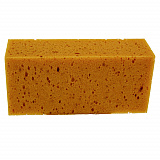
1-2 Day Delivery
$3.98 Great news! The price of this item drops at checkout, but we can't show it here due to manufacturer restrictions. Add it to your cart to see your exclusive deal!
Choose Your Frequency:
Volume Pricing
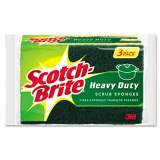
1-2 Day Delivery
$3.62 $6.05
Pack of 3
Choose Your Frequency:
Volume Pricing
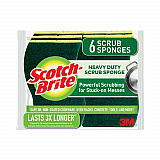
1-2 Day Delivery
$6.97 $11.49
Pack of 6
Choose Your Frequency:
Volume Pricing
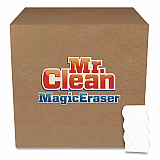
1-2 Day Delivery
$52.48 $101.85
Case of 30($1.75/Each)
Choose Your Frequency:
Volume Pricing
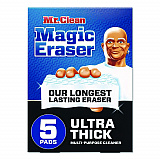
1-2 Day Delivery
$11.45 $18.30
Pack of 5
Choose Your Frequency:
Volume Pricing
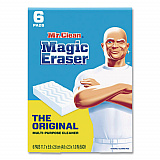
1-2 Day Delivery
$6.25 $11.46
Pack of 6
Choose Your Frequency:
Volume Pricing
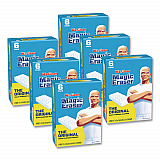
1-2 Day Delivery
$37.87 $68.76
Case of 6($6.31/Pack)
Choose Your Frequency:
Volume Pricing
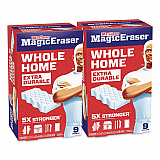
1-2 Day Delivery
$22.02 $39.00
($11.01/Each)
Choose Your Frequency:
Volume Pricing
1-2 Day Delivery
$22.90 $36.60
Case of 10($2.29/Each)
Choose Your Frequency:
Volume Pricing
1-2 Day Delivery
$36.16 $58.59
Pack of 10
Choose Your Frequency:
Volume Pricing
1-2 Day Delivery
$61.36 $109.35
Case of 20($3.07/Each)
Choose Your Frequency:
Volume Pricing
1-2 Day Delivery
$3.62 $6.05
Pack of 3
Choose Your Frequency:
Volume Pricing
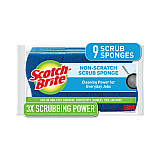
1-2 Day Delivery
$8.53 $12.10
Pack of 9
Choose Your Frequency:
Volume Pricing
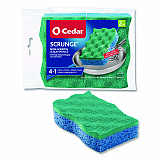
1-2 Day Delivery
$2.87 $4.38
Pack of 2
Choose Your Frequency:
Volume Pricing
1-2 Day Delivery
$40.38 $53.20
Case of 12($3.37/Each)
Choose Your Frequency:
Volume Pricing
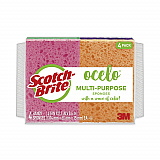
1-2 Day Delivery
$2.40 $4.29
Pack of 4
Choose Your Frequency:
Volume Pricing
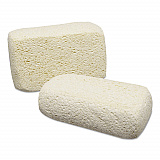
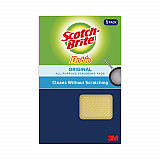
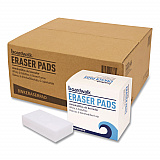
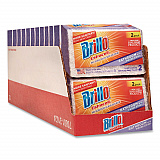
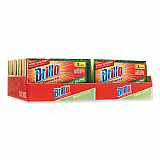
Commercial sponges for faster, cleaner results
Sponges are a small supply that can make or break cleaning speed, surface safety, and labor cost. This category is built for recurring facility needs: reliable performance, consistent quality, and bulk availability for predictable reorders. Whether you are outfitting a restaurant prep area, a school cafeteria, an office breakroom, or a healthcare facility, the right sponge helps reduce rework and keeps surfaces presentable.
Buy by the case to keep carts stocked and reduce emergency runs. With low prices, 1-2 day shipping on many items, and a deep assortment from trusted brands like Scotch-Brite, Brillo, Mr. Clean, Boardwalk, O-Cedar, AbilityOne, S.O.S., 3M, AmerCareRoyal, and Continental, you can standardize what your team uses across locations.
How to choose the right sponge
Surface type and scratch risk
Match the sponge to the surface finish. Non-scratch and gentle scrub options are best for stainless steel, nonstick cookware, glass, and polished fixtures. More aggressive scrub sponges can speed up removal of baked-on soils but may dull or scratch delicate surfaces. If you manage multiple areas, consider standardizing two types: a non-scratch option for front-of-house and sensitive surfaces, and a heavier-duty option for back-of-house and utility sinks.
Soil load: grease, food residue, soap scum, and grime
For kitchens and foodservice, prioritize sponges that cut grease and release food soils without falling apart mid-shift. For restrooms and general facility cleaning, look for sponges that rinse clean and hold up to disinfectant use. If your team frequently tackles stuck-on residue, a sponge with an integrated scrub side can reduce the need for extra tools.
Absorbency, durability, and rinse-out
Absorbency matters for wiping counters and picking up spills, but durability matters for total cost per use. Higher-quality sponges maintain structure longer, resist tearing, and rinse out more completely, which helps reduce odor and premature disposal. For procurement teams, durability is often the biggest lever for lowering cost-in-use, even when unit price is slightly higher.
Hygiene and cross-contamination control
In multi-zone facilities, use a clear replacement schedule and consider color-coding by area (for example, separate sponges for restrooms vs. food prep). Sponges should be replaced regularly based on soil load and policy. If you need alternatives that are easier to launder or dispose of between tasks, pair sponges with Cleaning Cloths & Wipes for wipe-down routines and Dusting Wipes for dry pickup before wet cleaning.
Common sponge types used in commercial cleaning
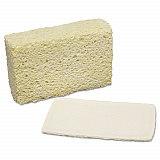
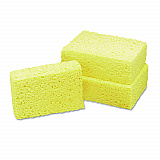
Cellulose and absorbent sponges
Great for general wipe-downs, spill pickup, and routine cleaning where absorbency is the priority. These are common in breakrooms, offices, and light-duty janitorial work.
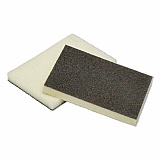
Scrub sponges (dual-sided)
Designed for faster removal of stuck-on soils. The scrub side provides abrasion while the sponge side handles wipe-up. Choose non-scratch versions for sensitive surfaces and heavier-duty versions for utility areas.
Heavy-duty and specialty sponges
For higher soil loads, these options focus on durability and consistent scrubbing power. They are often used in commercial kitchens, maintenance closets, and industrial break areas.
Build a complete cleaning setup (and reduce freight surprises)
Sponges work best as part of a standardized tool set. If you are restocking a janitorial closet or outfitting multiple sites, bundling related categories can help reduce last-minute orders and control freight costs.
For floor care, add Mops and the right Buckets & Wringers to keep water changes efficient and reduce slip risk. For targeted scrubbing beyond what a sponge can handle, keep Brushes on hand for grout lines, equipment edges, and textured surfaces.
If your team is dealing with heavy buildup, consider stocking Scouring Pads & Sticks as a complementary option for tougher jobs, and use Sprayers & Pumps to apply cleaner consistently and reduce chemical waste.
Why buy sponges here
Assortment that supports standardization
With over 100 SKUs, you can align on a few approved sponge types by area, shift, or facility, then reorder with confidence.
Low pricing and bulk-friendly ordering
Case quantities help keep per-unit costs down and reduce the time your team spends sourcing supplies. This is especially useful for recurring purchasing cycles and multi-location programs.
Fast fulfillment and knowledgeable support
Many items ship in 1-2 days, and customer support can help confirm the right sponge for your surfaces, soil type, and usage frequency before you place a large order.
Sponges FAQ
Are scrub sponges safe for stainless steel and nonstick surfaces?
Only non-scratch scrub sponges are recommended for stainless steel and nonstick surfaces. Heavier-duty scrubbers can scratch or dull finishes, so match the sponge to the surface.
How often should sponges be replaced in a facility?
Replacement depends on soil load, chemical exposure, and hygiene policy. In high-use areas like food prep and restrooms, replace more frequently and use a clear schedule to prevent odor and cross-contamination.
Should I buy sponges by the case or in smaller packs?
Case quantities are typically best for recurring use because they lower per-unit cost and reduce emergency reorders. Buying in bulk also helps standardize supplies across shifts or locations.
What should I stock alongside sponges for a complete cleaning program?
Common add-ons include Cleaning Cloths & Wipes for wipe-downs, Scouring Pads & Sticks for tougher buildup, and Sprayers & Pumps for consistent chemical application. For floor care, pair with Mops and Buckets & Wringers.
What type of sponge is best for commercial kitchens?
Most commercial kitchens use dual-sided scrub sponges for daily dish and surface cleaning, plus a non-scratch option for stainless steel and delicate finishes. Choose based on soil load and scratch risk, then standardize by area to reduce cross-contamination.