
Janitorial & Housekeeping Carts

Filters Clear All
Brands
Price
Bin Quantity
Caster/Wheel Indicator
Caster/Wheel Size
Color Family
Color(s)
Door Quantity
Drawer Quantity
Height (Max)
Material(s)
Number of Drawers
Number of Shelves
Number of Wheels
Overall Depth
Overall Material Type
Overall Width
Shelf Count
Shelf Type(s)

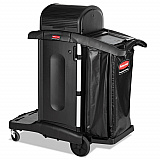
1-2 Day Delivery
$1,028.87 $1562.02
Choose Your Frequency:
Volume Pricing
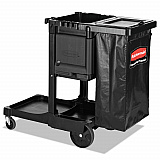
1-2 Day Delivery
$342.00 This item is listed at the minimum advertised price.
Choose Your Frequency:
Volume Pricing
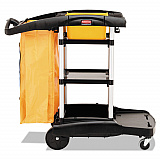
1-2 Day Delivery
$402.50 $804.42
Choose Your Frequency:
Volume Pricing
Scheduled Freight Delivery
$573.94 $976.75
Choose Your Frequency:
Volume Pricing
1-2 Day Delivery
$246.12 $562.65
Choose Your Frequency:
Volume Pricing
1-2 Day Delivery
$184.62 $341.59
Choose Your Frequency:
Volume Pricing
1-2 Day Delivery
$217.04 $408.73
Choose Your Frequency:
Volume Pricing
1-2 Day Delivery
$282.89 $477.40
Choose Your Frequency:
Volume Pricing
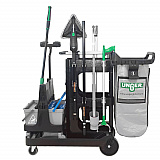
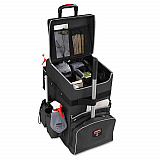
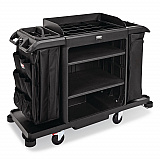
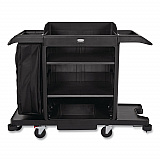
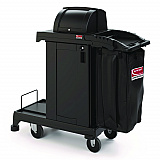
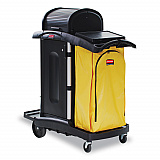
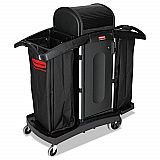
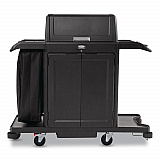
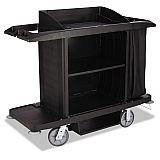
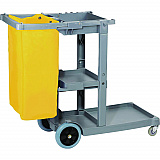
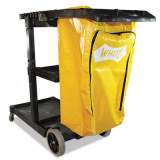
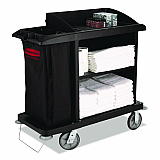
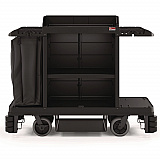
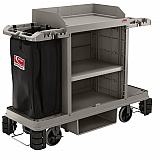
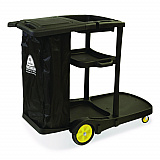
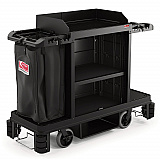
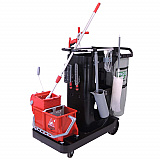
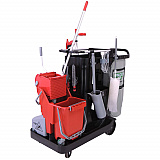
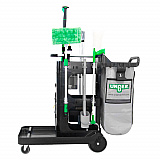
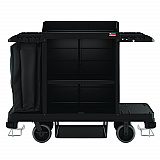
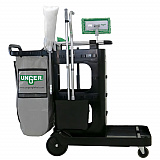
Janitorial & Housekeeping Carts built for faster, cleaner rounds
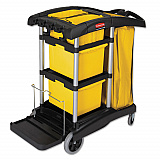
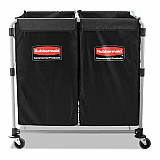
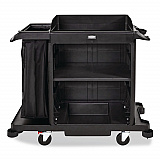
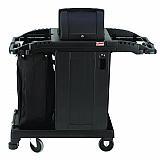
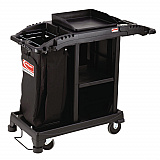
Janitorial and housekeeping carts are the backbone of efficient facility cleaning - they stage chemicals, tools, liners, and waste collection in one mobile workstation. The right cart reduces trips to the closet, improves route consistency, and helps teams follow cleaning protocols without improvising. This category focuses on commercial-grade options designed for daily use in offices, schools, healthcare, hospitality, and multi-tenant buildings.
Stocking multiple carts also simplifies training and standardizes restocking. If you are buying for several floors or a multi-site operation, ordering in bulk can lower per-unit cost and keep spare parts and consumables consistent across locations.
Common cart types and what they are best for
Housekeeping carts typically prioritize linen and amenity transport. Look for high-capacity shelving, bag frames, and configurations that keep clean and soiled items separated. These are popular for hotels, senior living, and campus housing where room turnover speed matters.
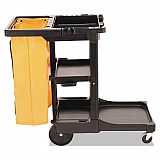
Janitor carts are built around daily cleaning tasks: chemical caddies, tool hooks, mop/broom storage, and waste collection. Many setups support a front platform for a bucket or tote and rear bag capacity for trash or recycling.
Enclosed or lidded carts help with appearance and access control in public-facing areas. They can reduce visual clutter in lobbies and corridors and may help limit unauthorized access to chemicals and tools.
Key specs to compare before you buy
Capacity and layout: Map what your team carries per shift (liners, microfiber, spray bottles, restroom supplies, signage). Choose a layout that keeps high-use items within easy reach and heavier items low for stability.
Bag system: Check bag volume, attachment method, and whether you need single or dual bags for trash and recycling. Vinyl bags are common for wipe-down cleaning; some operations prefer more rigid frames for fast bag changes.
Mobility: Wheel size and caster quality matter on thresholds, elevator gaps, and carpet transitions. For tight corridors, consider overall turning radius and whether the cart can be pushed from multiple sides.
Durability: Commercial plastics and powder-coated frames resist corrosion and frequent chemical wipe-downs. If carts will be stored in utility rooms or loaded into vehicles, prioritize impact resistance and reinforced shelves.
Footprint and storage: Measure doorways, elevator interiors, and closet space. A cart that is too wide or too tall slows down routes and creates damage risk around corners.
Compliance, safety, and operational control
For facilities with strict procedures, carts can support safer workflows when they include clear labeling areas, tool separation, and optional locking storage. If chemicals are transported on the cart, plan for spill-resistant placement and keep incompatible products separated. In healthcare and food-adjacent environments, carts that are easy to wipe down help support sanitation routines and reduce cross-contamination risk.
Brands and commercial-grade expectations
This assortment includes proven commercial lines from Rubbermaid Commercial, Suncast Commercial, Unger, Boardwalk, Impact, Nexstep Commercial Products, and Rubbermaid. These brands are commonly specified for institutional cleaning because they balance durability, parts availability, and practical layouts for daily routes.
Build the right cart system (and keep it running)
Many operations treat carts as a system: cart + consumables + replacement components. If you need to expand capacity or replace worn pieces without buying a whole new unit, pair your cart order with Cart Accessories to keep routes consistent and reduce downtime.
For moving heavier loads or staging supplies from receiving to the janitor closet, Dollies and Hand Trucks can be a better fit than a cleaning cart and help cut labor on restock days.
If your team needs a general-purpose hauler for bins, cases, or maintenance materials, consider Utility Carts as a complementary option alongside dedicated janitorial setups.
Ordering guidance: reduce total cost, not just unit price
Cart selection affects labor time, damage rates, and replacement frequency. Standardizing on a few proven configurations can simplify training, speed restocking, and reduce the number of unique parts you need to keep on hand. With 100+ SKUs, bulk-friendly pricing, and 1-2 day shipping on many items, you can outfit new sites quickly or refresh an aging fleet without long lead times.
If you are unsure which configuration matches your route, space constraints, or compliance needs, our customer support can help you narrow options based on real operating details like doorway widths, bag capacity targets, and what supplies must ride on the cart.
Janitorial & Housekeeping Carts FAQ
Can I replace parts instead of buying a new cart?
Often yes. Many commercial carts support replaceable bags, shelves, hooks, and add-ons. Pairing your cart with compatible accessories can extend service life and keep your fleet standardized.
Do these carts support recycling and trash separation?
Many models support dual-bag setups or bag frames that allow trash and recycling separation. Verify bag volume and attachment style to match your liner size and changeout process.
How do I choose the right cart size for my facility?
Measure doorways, elevators, and storage closets first, then match the cart footprint to your route. Choose capacity based on what must be carried per shift (liners, microfiber, chemicals, restroom supplies) while keeping heavier items low for stability.
What is the difference between a janitorial cart and a housekeeping cart?
Janitorial carts are organized for daily cleaning tasks (chemicals, tools, liners, waste collection). Housekeeping carts are typically configured for linen and amenity transport with higher shelf capacity and room-service style layouts.
What should I look for in casters and wheels?
Prioritize commercial casters with smooth swivel action and wheel size suited to thresholds and carpet transitions. Better casters reduce push effort, improve control in tight corridors, and help prevent tip-over when fully loaded.