
Soap Dispensers

Filters Clear All
Brands
- PURELL
- AbilityOne
- Dial
- GOJO
- Georgia Pacific Professional
- Impact
- PROVON
- Rubbermaid Commercial
- Diversey
- San Jamar
- 3M
- Alpine
- Boardwalk
- Bobrick
- Diversified Hospitality Solutions
- Gilchrist & Soames
- Kimberly-Clark
- Rust-Oleum
- Safeguard
- Safeguard Professional
- SC Johnson Professional
- Scott
- SOAP2O
- TOLCO
- Tork
- Vend-Rite
- Zep
Price
Capacity (Volume)
Color(s)
Depth
Dispenser Type
For Use With
Height
Height (Max)
Interior Volume Capacity
Material(s)
Maximum Height
Mounting
Soap Dispensers Type
Width


1-2 Day Delivery
$188.82 $416.43
Case of 8($23.60/Each)
Choose Your Frequency:
Volume Pricing
1-2 Day Delivery
$132.30 $163.12
Box of 6($22.05/Each)
Choose Your Frequency:
Volume Pricing
1-2 Day Delivery
$134.99 $333.50
Box of 6($22.50/Each)
Choose Your Frequency:
Volume Pricing
1-2 Day Delivery
$89.22 $119.81
Choose Your Frequency:
Volume Pricing
1-2 Day Delivery
$34.97 This item is listed at the minimum advertised price.
Choose Your Frequency:
Volume Pricing
1-2 Day Delivery
$8.82 $17.02
Choose Your Frequency:
Volume Pricing
1-2 Day Delivery
$19.99 $33.76
Choose Your Frequency:
Volume Pricing
1-2 Day Delivery
$12.02 This item is listed at the minimum advertised price.
Choose Your Frequency:
Volume Pricing
1-2 Day Delivery
$12.02 This item is listed at the minimum advertised price.
Choose Your Frequency:
Volume Pricing
1-2 Day Delivery
$54.55 This item is listed at the minimum advertised price.
Choose Your Frequency:
Volume Pricing
1-2 Day Delivery
$475.00 This item is listed at the minimum advertised price.
Choose Your Frequency:
Volume Pricing
1-2 Day Delivery
$81.85 This item is listed at the minimum advertised price.
Choose Your Frequency:
Volume Pricing
1-2 Day Delivery
$9.48 $15.00
Case of 3($3.16/Each)
Choose Your Frequency:
Volume Pricing
1-2 Day Delivery
$9.48 $15.00
Case of 3($3.16/Each)
Choose Your Frequency:
Volume Pricing
1-2 Day Delivery
$1.99 $129.32
Choose Your Frequency:
Volume Pricing
1-2 Day Delivery
$1.99 $129.32
Choose Your Frequency:
Volume Pricing
1-2 Day Delivery
$12.02 This item is listed at the minimum advertised price.
Choose Your Frequency:
Volume Pricing
1-2 Day Delivery
$12.02 This item is listed at the minimum advertised price.
Choose Your Frequency:
Volume Pricing
1-2 Day Delivery
$61.29 This item is listed at the minimum advertised price.
Choose Your Frequency:
Volume Pricing
1-2 Day Delivery
$61.29 This item is listed at the minimum advertised price.
Choose Your Frequency:
Volume Pricing
1-2 Day Delivery
$16.00 $30.00
Choose Your Frequency:
Volume Pricing
1-2 Day Delivery
$20.94 $31.60
Choose Your Frequency:
Volume Pricing
1-2 Day Delivery
$140.18 $189.60
Case of 6($23.36/Each)
Choose Your Frequency:
Volume Pricing
1-2 Day Delivery
$78.66 This item is listed at the minimum advertised price.
Case of 6
Choose Your Frequency:
Volume Pricing
1-2 Day Delivery
$35.79 This item is listed at the minimum advertised price.
Choose Your Frequency:
Volume Pricing
1-2 Day Delivery
$65.75 This item is listed at the minimum advertised price.
Choose Your Frequency:
Volume Pricing
1-2 Day Delivery
$72.42 $135.54
Choose Your Frequency:
Volume Pricing
1-2 Day Delivery
$81.29 $126.55
Case of 6($13.55/Each)
Choose Your Frequency:
Volume Pricing
1-2 Day Delivery
$60.34 $128.82
Choose Your Frequency:
Volume Pricing
1-2 Day Delivery
$2.04 $3.75
Choose Your Frequency:
Volume Pricing
1-2 Day Delivery
$34.39 $56.76
Choose Your Frequency:
Volume Pricing
1-2 Day Delivery
$49.10 $106.51
($49.10/Each)
Choose Your Frequency:
Volume Pricing
1-2 Day Delivery
$21.65 $38.76
($21.65/Each)
Choose Your Frequency:
Volume Pricing
1-2 Day Delivery
$14.47 This item is listed at the minimum advertised price.
Choose Your Frequency:
Volume Pricing
1-2 Day Delivery
$30.37 $47.11
Choose Your Frequency:
Volume Pricing
1-2 Day Delivery
$45.65 $91.01
Choose Your Frequency:
Volume Pricing
Commercial soap dispensers built for daily use
Soap dispensers are a small fixture that directly impacts hygiene compliance, labor time, and refill spend. This category is built for B2B buyers who need dependable dispensing in high-traffic restrooms, kitchens, classrooms, and patient-facing areas. With 100+ SKUs and fast 1-2 day shipping, you can standardize across sites and keep spares on hand to reduce downtime.
Shop trusted options from PURELL, GOJO, Bobrick, Kimberly-Clark, Dial, SC Johnson Professional, Impact, Rubbermaid Commercial, Alpine, and Diversey. If you are matching an existing program, focus on dispenser format, mounting style, and refill compatibility first, then optimize for capacity and serviceability.
How to choose the right soap dispenser
Mounting style: wall, counter, or stand-ready placement
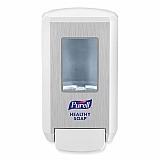
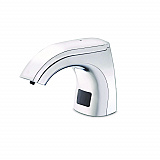
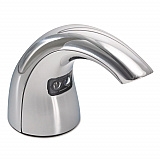
Wall-mounted dispensers are the standard for commercial restrooms because they keep counters clear and simplify cleaning. Counter-mounted or countertop units can work well in breakrooms, foodservice handwash sinks, and reception areas where drilling is not preferred. For facilities that need flexible placement or temporary setups, pair your dispenser plan with nearby wipes or sanitizer options to cover peak traffic and overflow.
Manual vs touch-free dispensing
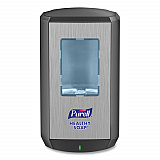
Manual dispensers are cost-effective, simple to maintain, and ideal for most general-use restrooms. Touch-free models can reduce touchpoints and are often selected for healthcare, childcare, and higher-visibility areas. When evaluating touch-free, confirm power requirements (battery type, expected life, and low-battery indicators) and whether the unit supports adjustable dose settings.
Soap type compatibility and refill strategy
Dispensers are typically designed for specific refill formats: sealed cartridge systems, bag-in-box, or bulk-fill reservoirs. Sealed refills help reduce contamination risk and simplify change-outs, while bulk-fill can lower cost per wash when managed correctly. If you are already buying product separately, coordinate with Soap Refills to ensure the dispenser and refill format match and to keep purchasing consistent across locations.
Capacity, output, and traffic level
Higher-capacity dispensers reduce refill frequency and labor, which matters in schools, stadiums, and multi-stall restrooms. Output per dose affects both user experience and total cost-in-use. For procurement teams, standardizing on a few capacities across the building makes stocking easier and reduces the chance of ordering the wrong refill.
Materials, durability, and vandal resistance
In public-facing restrooms, look for impact-resistant housings, secure locks, and easy-to-service designs. Stainless steel or heavy-duty plastic options are common for durability and appearance. If your facility has strict cleaning protocols, choose surfaces that tolerate frequent disinfecting without clouding or cracking.
Applications by industry
Offices and commercial buildings
Prioritize consistent appearance, easy refill visibility, and quick service. Pair soap dispensing with adjacent hygiene products to reduce complaints and improve tenant satisfaction.
Schools and childcare
Choose high-capacity units and durable housings. Simple, reliable manual dispensing can reduce maintenance calls, while touch-free may be preferred in nurse offices or high-traffic entrances.
Healthcare and clinics
Touch-free operation, sealed refills, and clear product labeling support infection-control goals. If your protocol requires alcohol-based hand hygiene at point of care, coordinate dispenser placement with Hand Sanitizer Dispensers for a consistent workflow.
Restaurants and foodservice
Back-of-house handwash stations benefit from quick, reliable dispensing and easy cleaning. Consider pairing soap programs with Sanitizing Wipes for surface hygiene where permitted by your SOPs.
Operational details buyers should verify
Refill change-out time and visibility
Look for viewing windows or level indicators to prevent empty dispensers during peak hours. Faster change-outs reduce labor and help teams stay compliant with restroom check schedules.
Standardization across sites
Multi-location buyers often save money by standardizing dispenser families and ordering in bulk. Keeping a small backstock of common units and refills helps avoid emergency freight costs and service disruptions.
Support and fulfillment
When dispensers fail, the cost is usually labor and downtime, not the unit itself. Choose models with readily available parts and straightforward servicing. If you need help matching an existing dispenser or selecting a compatible refill system, knowledgeable customer support can prevent misorders and returns.
Related hygiene categories to round out your program
If you are building a full hand hygiene station, Hand Soaps can help you align soap type (foam, liquid, antibacterial where applicable) with dispenser format and user preference. For alcohol-based options, Hand Sanitizers and Hand Sanitizer Refills support consistent stocking and easier reordering across departments.
Soap Dispensers FAQ
Are touch-free soap dispensers worth it for commercial restrooms?
Touch-free dispensers can reduce touchpoints and are often chosen for healthcare, childcare, and high-visibility areas. For general restrooms, manual units are typically the best value when durability and ease of service are the priority.
Do commercial soap dispensers require special maintenance?
Most require periodic exterior cleaning, lock checks, and refill level monitoring. Bulk-fill units may require additional cleaning of the reservoir and pump components based on your facility SOPs.
How do I make sure the soap refills will fit my dispenser?
Match the dispenser brand and refill format (cartridge, bag, or bulk reservoir) and confirm the specific series or model compatibility. If you are standardizing, keep the same dispenser family across sites to avoid ordering the wrong refills.
What capacity soap dispenser should I buy for high-traffic locations?
Choose higher-capacity units to reduce refill frequency and labor. Also check dose size and adjustable output, since cost-in-use depends on both capacity and how much soap is dispensed per wash.
What is the difference between bulk-fill and sealed cartridge soap dispensers?
Bulk-fill dispensers are refilled from a larger container and can offer a lower cost per wash, but they require proper cleaning and refill practices. Sealed cartridge systems use closed refills that are faster to change and help reduce contamination risk.