
Service Carts

Categories
Filters Clear All
Price
Bin Quantity
Caster/Wheel Indicator
Color Family
Drawer Quantity
Number of Drawers
Number of Shelves
Overall Material Type
Shelf Count


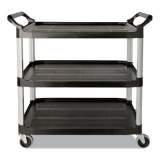
1-2 Day Delivery
$299.33 $639.10
Choose Your Frequency:
Volume Pricing
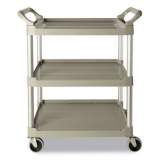
1-2 Day Delivery
$359.65 $639.09
Choose Your Frequency:
Volume Pricing
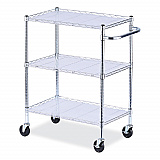
1-2 Day Delivery
$103.22 $374.00
Choose Your Frequency:
Volume Pricing Price/Pack
-
31+$92.57
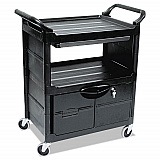
Scheduled Freight Delivery
$491.00 This item is listed at the minimum advertised price.
Choose Your Frequency:
Volume Pricing
Scheduled Freight Delivery
$651.61 $1074.36
Choose Your Frequency:
Volume Pricing
1-2 Day Delivery
$419.23 $691.23
Choose Your Frequency:
Volume Pricing
1-2 Day Delivery
$350.51 $673.98
Choose Your Frequency:
Volume Pricing
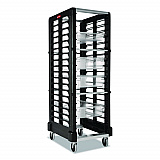
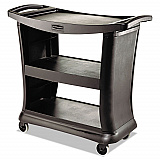
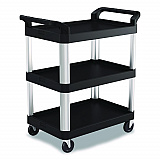
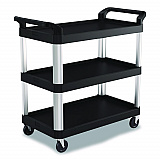
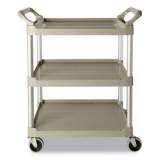
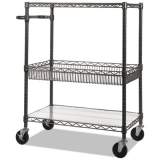
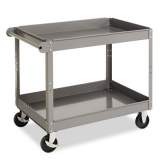
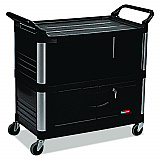
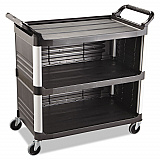
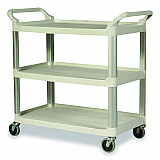
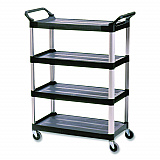
Service carts built for faster, safer transport
Service carts reduce trips, protect product, and keep staff organized during rush periods. This category covers commercial-grade carts designed for back-of-house, front-of-house, and facility support - from bussing and restocking to moving supplies between rooms or stations.
With 100+ SKUs and a price advantage, you can standardize carts across locations, replace aging units, or add spares for peak seasons. If you are ordering for multiple departments, our support team can help confirm specs, load ratings, and freight considerations before you check out.
Common use cases
- Restaurants and catering: bussing, dish runs, tray and pan transport, banquet setup breakdown.
- Schools and cafeterias: moving food pans, supplies, and serviceware between storage and serving lines.
- Offices and facilities: mailroom transport, janitorial restocking, event setup, and general material handling.
- Healthcare and clinics: non-medical supply movement and support tasks where cleanable surfaces matter.
How to choose the right service cart
Capacity and shelf configuration
Start with what you are moving and how often. Two-shelf carts are a go-to for bussing and restocking. Three-shelf designs increase capacity without increasing footprint as much as wider carts. For heavier loads, prioritize published load ratings and reinforced shelf structures.
If you need a tighter spec for kitchen workflows, use Kitchen & Service Carts to narrow into purpose-built options that match foodservice handling needs.
Material selection: plastic vs metal
- Plastic service carts: quieter, corrosion-resistant, and easier to wipe down. Good for wet areas and frequent cleaning.
- Metal service carts: strong and rigid for higher loads and tougher impacts. Consider finish and environment to reduce corrosion risk.
Match material to your cleaning chemicals, humidity, and whether the cart will be used near dish areas or outdoors.
Casters, maneuverability, and floor conditions
Casters determine how the cart feels in real use. Larger wheels roll better over thresholds and grout lines. Swivel casters improve turning in tight aisles; locking casters help with staging and loading. For noise-sensitive spaces, look for non-marking wheels and smoother tread materials.
Ergonomics and safety
Handle height, shelf lip design, and overall stability matter for daily use. If staff frequently moves liquids or stacked items, prioritize carts with raised edges or shelf lips to reduce slide-off risk. For compliance and safety programs, standardizing cart types across locations can also simplify training.
Buying for commercial operations: what procurement teams check
Dimensions and clearance
Confirm cart width against doorways, aisle pinch points, and storage areas. Measure turning space near prep lines, dish rooms, and elevators. A cart that fits on paper can still bottleneck service if it cannot turn cleanly in your layout.
Cleaning and maintenance
Choose surfaces that tolerate your sanitizers and routine washdown. Removable shelves and smooth corners speed cleaning. If you are ordering for multiple sites, keeping the same model reduces parts variability and simplifies replacement planning.
Shipping speed and total landed cost
For replacements and new openings, lead time matters. Many operations prefer carts that can ship in 1-2 days to avoid downtime. If you are placing a larger order, bundling quantities can reduce per-unit freight impact and help keep your total landed cost predictable.
Build a complete workflow with adjacent equipment
Service carts often sit between storage, prep, and service. If you are building beverage stations or catering lines, pair carts with Beverage Equipment to keep drink service organized and mobile.
For holding and staging during peak periods, Food Warming Equipment can reduce remakes and improve ticket times when carts are used to shuttle product between stations.
If you are reworking your line layout, Prep Tables & Stations and Refrigeration help tighten the distance between storage, prep, and transport. For countertop support tools that travel with the cart, add Small Appliances where appropriate.
Brands and assortment you can standardize
Choose from proven commercial brands including Rubbermaid Commercial, Alera, Suncast Commercial, Boardwalk, and Tennsco. With over 100 SKUs, you can match your environment - from lightweight daily-use carts to heavier-duty options for higher load demands.
Need help selecting the right cart for your application or ordering in bulk? Our knowledgeable customer support can confirm specs, recommend alternatives, and help you place a clean, repeatable order.
Service Carts FAQ
Can I order service carts in bulk for multiple locations?
Yes. Bulk ordering helps standardize equipment, simplify training, and reduce replacement variability. If you are ordering for multiple sites, support can help confirm specs and coordinate quantities to manage freight costs.
Do service carts come with locking wheels?
Many models offer locking casters or a mix of swivel and rigid casters. Locking wheels are useful for staging, loading, and preventing drift on sloped floors; confirm caster type in the product specifications.
How do I choose the right load capacity for a service cart?
Estimate the heaviest typical load (including containers) and add a safety buffer. Check the manufacturer load rating and consider how often the cart will be moved over thresholds or ramps, which can increase real-world stress.
What is the best material for a commercial service cart?
Plastic carts are corrosion-resistant, quieter, and easy to clean, making them a strong choice for wet or washdown areas. Metal carts typically offer higher rigidity and can be better for heavier loads; choose a finish suited to your environment.