
Sprayers & Pumps

Filters Clear All
Brands
Price
Application
Capacity (Volume)
Color(s)
Connection Type
For Use With
Hose Length
Interior Volume Capacity
Material(s)
Nozzle/Sprayer Settings
Physical Form
Product Packaging
Size
Sprayer/Hose/Nozzle Type
Sprayer/Nozzle Type
Tube Length




1-2 Day Delivery
$36.68 $44.88
Choose Your Frequency:
Volume Pricing
1-2 Day Delivery
$36.68 $44.88
Choose Your Frequency:
Volume Pricing
1-2 Day Delivery
$9.35 $22.50
Pack of 3
Choose Your Frequency:
Volume Pricing
1-2 Day Delivery
$3.91 $8.96
Choose Your Frequency:
Volume Pricing
1-2 Day Delivery
$43.31 $51.92
Box of 6($7.22/Each)
Choose Your Frequency:
Volume Pricing
1-2 Day Delivery
$36.25 $53.12
Case of 12($3.02/Each)
Choose Your Frequency:
Volume Pricing
1-2 Day Delivery
$3.22 $4.58
Choose Your Frequency:
Volume Pricing
1-2 Day Delivery
$20.66 $33.27
Choose Your Frequency:
Volume Pricing
1-2 Day Delivery
$32.45 This item is listed at the minimum advertised price.
Choose Your Frequency:
Volume Pricing
1-2 Day Delivery
$32.14 $56.54
Case of 12($2.68/Each)
Choose Your Frequency:
Volume Pricing
1-2 Day Delivery
$7.60 $15.30
Choose Your Frequency:
Volume Pricing
1-2 Day Delivery
$0.94 $1.41
Choose Your Frequency:
Volume Pricing
1-2 Day Delivery
$4.06 $7.61
Choose Your Frequency:
Volume Pricing
1-2 Day Delivery
$33.54 Great news! The price of this item drops at checkout, but we can't show it here due to manufacturer restrictions. Add it to your cart to see your exclusive deal!
Choose Your Frequency:
Volume Pricing
1-2 Day Delivery
$41.41 $53.84
Case of 12($3.45/Each)
Choose Your Frequency:
Volume Pricing
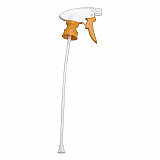
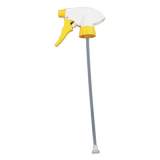
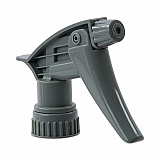
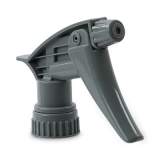
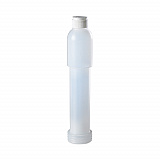
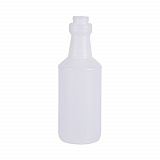
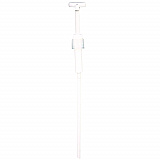
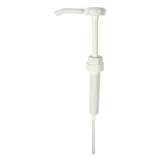
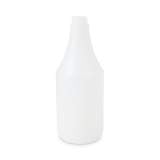
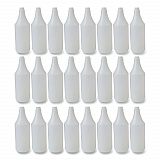
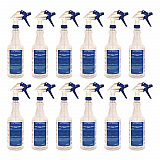
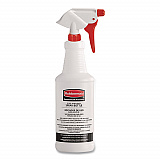
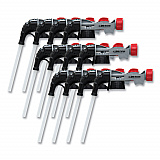

Sprayers and pumps built for daily commercial use
When chemicals are applied all day, the sprayer matters as much as the solution. This category covers commercial-grade trigger sprayers, pump-up sprayers, foaming sprayers, and replacement components designed to hold up under frequent use in janitorial, foodservice, education, and healthcare environments.
With over 100 SKUs, you can standardize across locations, reduce downtime from broken triggers, and keep crews moving. Bulk quantities help lower per-unit cost and simplify reordering.
Choose the right sprayer type for the job
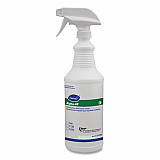
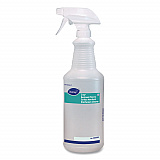
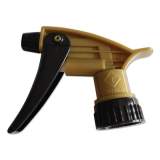
Trigger sprayers are the go-to for ready-to-use bottles and quick changeovers. Look for consistent output, comfortable triggers for repetitive use, and adjustable nozzles (stream to mist) to match the surface and chemical.
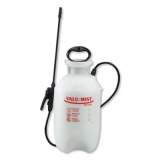
Pump-up sprayers are better for larger areas and fewer refills. They are commonly used for floor pre-spray, restroom cleaning, and back-of-house degreasing where a steady spray pattern and higher capacity save labor.
Foaming sprayers help cling on vertical surfaces and extend dwell time. They are often selected for restroom fixtures, kitchen walls, and other areas where run-off reduces effectiveness.
Chemical compatibility and safety considerations
Not every sprayer works with every chemical. Compatibility depends on seals, springs, and internal plastics. For example, strong alkalines, solvents, and some disinfectants can shorten trigger life if the sprayer is not rated for them. When you are standardizing across sites, align sprayers to your chemical program and label bottles clearly to reduce cross-use.
For compliance-focused environments, prioritize consistent dilution and application. If you are using concentrates, pair sprayers with your dilution control process and train staff on correct spray distance and dwell time.
Key specs buyers compare (and what they mean in the field)
Output per stroke: Higher output speeds coverage but can waste product on small tasks. Lower output improves control for detail work.
Nozzle adjustability: Adjustable tips support multiple tasks with one sprayer, but fixed-pattern nozzles can reduce misuse and keep application consistent.
Ergonomics and trigger strength: Heavy-use accounts should consider trigger effort to reduce hand fatigue and improve productivity.
Dip tube length and filter: Proper tube length reduces leftover chemical at the bottom of the bottle. Filters help prevent clogs in dusty environments.
Serviceability: Replaceable parts and readily available backups reduce downtime. Keeping a case of triggers on hand is often cheaper than losing labor time mid-shift.
How to buy sprayers and pumps for lower total cost
For multi-site operations and recurring janitorial programs, buying by the case is typically the fastest path to consistent performance and fewer emergency orders. Standardize on a small set of sprayers by chemical type (general cleaner, disinfectant, degreaser) and keep spares in each closet. This reduces cross-contamination, improves training, and makes inventory counts easier.
If you are refreshing an entire cleaning tool wall, it can help to bundle sprayers with adjacent essentials. Many teams restock Brooms and Buckets & Wringers at the same time to keep crews fully equipped for floor and restroom routes.
Brands and assortment you can standardize on
This selection includes trusted commercial lines such as Impact, Diversey, Boardwalk, TOLCO, AbilityOne, 3M, Rubbermaid, SOAP2O, Unger, and SC Johnson Professional. That range makes it easier to match your existing program, whether you need economical triggers for high-volume turnover or heavier-duty sprayers for demanding chemicals.
Operational tips to extend sprayer life
Simple habits can prevent most failures:
- Rinse sprayers when switching chemicals, especially between incompatible products.
- Do not store sprayers under pressure unless the unit is designed for it.
- Keep nozzles clean and avoid dropping bottles, which can crack housings and cause leaks.
- Use dedicated bottles and labels to prevent misapplication and reduce waste.
For surface prep and finishing, many buyers pair sprayers with Cleaning Cloths & Wipes to improve pickup and reduce streaking, especially on glass, stainless, and high-touch points.
Fast fulfillment and support for recurring orders
When a sprayer fails, the job slows down immediately. Fast 1-2 day shipping helps you avoid gaps, and bulk ordering keeps your closets stocked. If you are unsure which sprayer matches your chemical or bottle style, our knowledgeable support team can help you choose the right fit so you do not waste time on returns or premature failures.
Sprayers & Pumps FAQ
Are pump-up sprayers worth it for large areas?
Yes. Pump-up sprayers reduce refills and provide steady coverage for larger restrooms, back-of-house areas, and floor pre-spray tasks. They can save labor time when used with the right chemical and spray pattern.
How do I know if a sprayer is chemical resistant?
Check the manufacturer specs for compatible chemical ranges and seal materials. Strong alkalines, solvents, and some disinfectants can degrade standard triggers, so selecting a chemical-resistant model reduces leaks and early failure.
Should I buy sprayers in bulk or as needed?
Bulk purchasing is usually more cost-effective for facilities with recurring cleaning. Keeping spare triggers and pump assemblies on hand reduces downtime, prevents emergency freight costs, and helps standardize performance across locations.
Which sprayer type is best for disinfectants and daily cleaning?
For most ready-to-use disinfectants and general cleaners, a commercial trigger sprayer with an adjustable nozzle is the most practical. If you need longer dwell time on vertical surfaces, consider a foaming sprayer. Always confirm chemical compatibility with the sprayer materials.
Why do trigger sprayers stop working or leak?
Common causes include clogged nozzles, worn seals, chemical incompatibility, or damage from drops. Rinsing when switching chemicals, using dedicated labeled bottles, and stocking replacements typically solves the issue.