
Knives




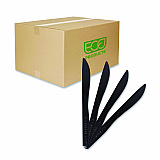
1-2 Day Delivery
$63.91 $101.82
Case of 1000($0.06/Each)
Choose Your Frequency:
Volume Pricing
1-2 Day Delivery
$88.21 $137.99
Case of 960($0.09/Each)
Choose Your Frequency:
Volume Pricing
1-2 Day Delivery
$45.20 $97.93
Case of 1000($0.05/Each)
Choose Your Frequency:
Volume Pricing
1-2 Day Delivery
$63.44 $437.57
Case of 1000($0.06/Each)
Choose Your Frequency:
Volume Pricing
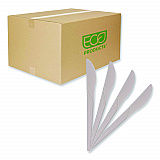
1-2 Day Delivery
$73.18 $176.80
Case of 1000($0.07/Each)
Choose Your Frequency:
Volume Pricing
1-2 Day Delivery
$41.48 $78.97
Case of 1000($0.04/Each)
Choose Your Frequency:
Volume Pricing
1-2 Day Delivery
$37.46 $77.46
Case of 1000($0.04/Each)
Choose Your Frequency:
Volume Pricing
1-2 Day Delivery
$45.35 $130.69
Case of 1000($0.05/Each)
Choose Your Frequency:
Volume Pricing
1-2 Day Delivery
$45.42 $127.25
Case of 1000($0.05/Each)
Choose Your Frequency:
Volume Pricing
1-2 Day Delivery
$60.68 $183.90
Case of 1000($0.06/Each)
Choose Your Frequency:
Volume Pricing

1-2 Day Delivery
$8.21 $18.39
Box of 100($0.08/Each)
Choose Your Frequency:
Volume Pricing
1-2 Day Delivery
$27.43 $60.50
Case of 1000($0.03/Each)
Choose Your Frequency:
Volume Pricing
1-2 Day Delivery
$48.55 $98.91
Case of 960($0.05/Each)
Choose Your Frequency:
Volume Pricing
1-2 Day Delivery
$131.12 $227.54
Case of 960($0.14/Each)
Choose Your Frequency:
Volume Pricing
1-2 Day Delivery
$53.32 $102.81
Case of 960($0.06/Each)
Choose Your Frequency:
Volume Pricing
1-2 Day Delivery
$48.61 $124.44
Case of 960($0.05/Each)
Choose Your Frequency:
Volume Pricing
1-2 Day Delivery
$26.16 $39.59
Case of 1000($0.03/Each)
Choose Your Frequency:
Volume Pricing
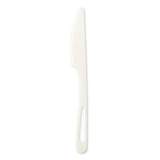
1-2 Day Delivery
$46.21 $77.25
Case of 1000($0.05/Each)
Choose Your Frequency:
Volume Pricing
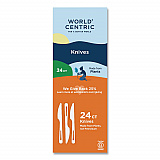
1-2 Day Delivery
$2.14 $3.25
Choose Your Frequency:
Volume Pricing
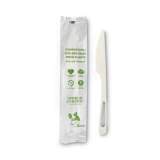
1-2 Day Delivery
$48.71 $81.25
Case of 750($0.06/Each)
Choose Your Frequency:
Volume Pricing
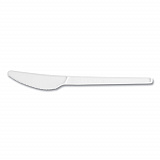
1-2 Day Delivery
$47.65 $84.38
Case of 1000($0.05/Each)
Choose Your Frequency:
Volume Pricing
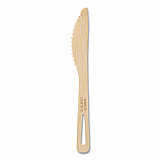
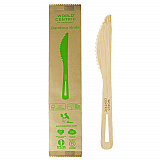


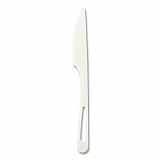
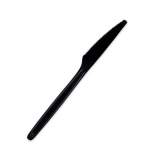
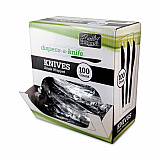
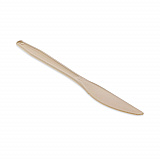
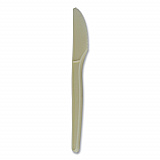
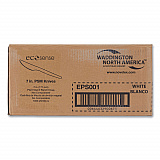
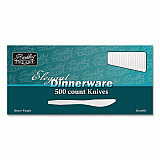
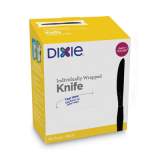
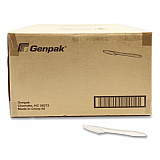
Bulk disposable knives for foodservice and facilities
Disposable knives are a small line item that can create big service problems when they bend, snap, or feel flimsy. This category is built for commercial buyers who need consistent performance, predictable costs, and quick replenishment. With 100+ SKUs across trusted brands like Dixie, Boardwalk, SOLO, World Centric, WNA, Eco-Products, Berkley Square, Genpak, Pactiv, and Tablemate, its easy to match the right knife to your menu and compliance needs.
Buying knives by the case helps reduce per-unit cost and keeps your back-of-house stocked for rushes, catering, and takeout spikes. If you are ordering for multiple locations, standardizing on one or two knife styles also simplifies training and inventory counts.
Choose the right knife for the job
Strength and cut performance
Match knife strength to what guests will actually cut. For salads, soft sandwiches, and desserts, standard-weight knives often work well. For tougher proteins, dense baked goods, or grab-and-go meals, step up to heavy-duty styles designed to resist flexing. A sturdier knife reduces complaints and prevents double-dispensing, which protects your food cost and labor.
Material options: plastic and compostable
Many operations still rely on classic plastic knives for durability and value. If you are working toward sustainability goals or serving in regulated environments, compostable options can support your program when used with the right waste stream. Always confirm local requirements and the disposal pathway available at your site before standardizing on compostable cutlery.
Wrapped vs unwrapped for hygiene and speed
Individually wrapped knives help reduce handling and support hygiene expectations in healthcare, education, and high-traffic self-serve areas. Unwrapped knives can be faster to stage in back-of-house and are often preferred for dine-in or controlled distribution. Consider how your team portions cutlery and whether guests self-dispense.
Color and presentation
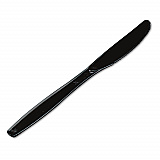
White and clear are common for everyday service. Black knives can elevate presentation for catering, events, and premium takeout. If you are pairing with other utensils, keeping color consistent helps your brand look intentional and reduces mix-and-match waste.
Operational buying tips that reduce total cost
Case pack and storage planning
Check case quantities and estimate weekly usage so you can order fewer times per month. Bulk ordering typically lowers freight cost per unit and reduces emergency purchases. If storage is tight, consider splitting orders across locations or scheduling recurring replenishment based on usage.
Compatibility with your service model
For takeout and delivery, choose a knife that holds up in transit and feels sturdy in hand. For cafeterias and quick-serve lines, prioritize fast dispensing and consistent quality to keep the line moving. For catering, presentation and heavy-duty performance usually matter more than shaving pennies per case.
Quality control and consistency
Commercial buyers need predictable performance from case to case. Stick with proven brands and specifications, and standardize where possible. If you are unsure which knife weight is right for your menu, customer support can help narrow options based on what you serve and how you serve it.
Build a complete cutlery setup
If you want a single, grab-and-go solution for takeout and delivery, pair knives with Cutlery Kits to reduce packing time and improve order accuracy. For operations that portion utensils separately, add matching Forks and Spoons to keep your inventory consistent across stations and locations. If you need a space-saving utensil for limited menus or tight packaging, Sporks can be a practical alternative.
Why buy knives here
Price advantage and bulk-ready assortment
With a deep selection and case-quantity options, you can choose the right balance of cost, strength, and sustainability without overbuying the wrong spec. Bulk pricing supports higher AOV orders and helps procurement teams lock in predictable per-meal costs.
Fast fulfillment and support
When you are running low, speed matters. Most orders ship in 1-2 days, and knowledgeable support is available to help you select the right knife for your menu, packaging, and compliance requirements.
Knives FAQ
Are compostable knives accepted everywhere?
Not always. Compostable cutlery requires the correct disposal pathway and local acceptance. Confirm your facilitys waste stream and local rules before standardizing on compostable knives.
Do black disposable knives cost more than white or clear?
Often, yes, because black cutlery is positioned for catering and premium presentation. If appearance matters for events or upscale takeout, the upgrade can be worth it.
How many disposable knives should I order for a restaurant or cafeteria?
Estimate weekly usage by service type (dine-in, takeout, catering), then order by the case to reduce per-unit cost and avoid stockouts. Standardizing one or two knife types simplifies reordering.
Should I buy wrapped or unwrapped disposable knives?
Wrapped knives support hygiene and reduce handling for self-serve, healthcare, and grab-and-go. Unwrapped knives can be faster to stage for dine-in or controlled distribution and may reduce packaging.
What is the best disposable knife for cutting steak or tougher foods?
Choose a heavy-duty knife designed to resist flexing and snapping. For tougher proteins and dense baked goods, heavy-duty styles typically perform better and reduce double-dispensing.