
Condiments

Categories
Filters Clear All
Brands
Price
Capacity (Volume)
Capacity (Weight)
Contains Dairy
Flavor
Food Type
Packing Type
Product Packaging
Volume Capacity


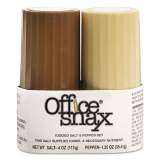
1-2 Day Delivery
$5.42 $8.26
Pack of 2
Choose Your Frequency:
Volume Pricing
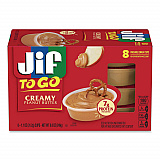
1-2 Day Delivery
$3.43 $5.69
Box of 8($0.43/Each)
Choose Your Frequency:
Volume Pricing
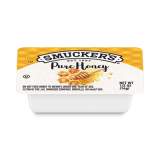
1-2 Day Delivery
$53.22 $94.65
Case of 200($0.27/Each)
Choose Your Frequency:
Volume Pricing
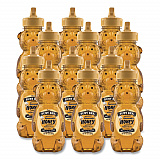
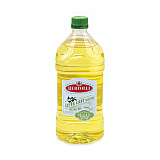
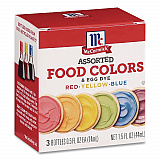
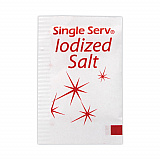
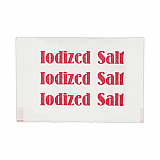
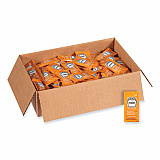
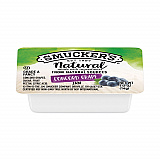
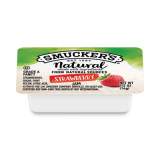
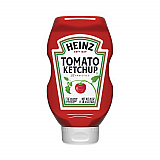
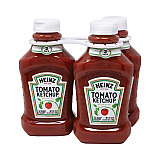
Bulk condiments for breakrooms, catering, and foodservice
Condiments are small items that drive satisfaction, reduce complaints, and keep service consistent. This category is built for recurring purchasing: portion control packs for grab-and-go, table-ready bottles for dining, and back-of-house formats for high-volume prep. With 100+ SKUs, low prices, and 1-2 day shipping, its easy to standardize your pantry and reorder with confidence.
Choose the right format: packets, cups, bottles, or bulk
Start with how the condiment will be used. Single-serve packets and portion cups help with cost control, sanitation, and quick restocking in shared spaces. Squeeze bottles and table bottles work well for cafeterias, restaurants, and conference areas. Bulk containers support prep stations and high-throughput kitchens where speed matters.
If you manage multiple locations, standardizing formats reduces training time and prevents mismatched dispensers or wasted product. When in doubt, align pack style to your service model: self-serve favors single-serve, staffed service can use bottles or bulk.
Core condiment types buyers reorder most
Most procurement teams build a dependable base set, then add specialty items as needed. Common staples include:
- Ketchup, mustard, mayo, and relish for sandwiches and burgers
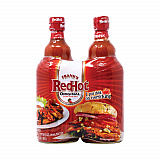
- Hot sauce and salsa for heat and flavor customization
- BBQ sauce and steak sauce for protein-focused menus
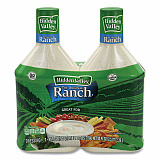
- Salad dressings and oil-based options for healthier selections
- Salt, pepper, and seasoning essentials for table and prep
- Sweeteners, honey, and breakfast spreads for morning programs
Brands vary by preference and program requirements, with popular options including Heinz, Smucker's, Diamond Crystal, Kitchen Bouquet, Tostitos, and Bertolli. If you are balancing brand standards with budget, mix national brands for high-visibility stations and value-focused options for back-of-house use.
Pack size and case quantity: control cost and reduce waste
Condiments can quietly inflate costs when pack sizes do not match demand. Use these quick rules:
- High traffic, unpredictable demand: single-serve packets or cups reduce overuse and cross-contact.
- Steady daily usage: bottles reduce packaging waste and speed up restocking.
- Back-of-house prep: bulk formats lower unit cost and support batch production.
For recurring programs, ordering by the case improves unit economics and reduces freight cost per serving. If you are trying to increase AOV while keeping storage practical, add one or two extra cases of your top movers to cover demand spikes and avoid emergency orders.
Compliance and food safety considerations
For shared environments like offices, schools, and healthcare, packaging and labeling matter. Single-serve options can help reduce handling and support cleaner self-serve setups. Always verify ingredient statements and allergen information on the product label for your specific SKU, especially for egg-based items, mustard, and specialty sauces.
Storage requirements vary by product. Many shelf-stable condiments are designed for ambient storage until opened, while some items may require refrigeration after opening. Build a simple receiving checklist so your team stores each case correctly on day one.
Build a complete station: pair condiments with adjacent categories
If you need a narrower subset of items or a specific spec, use the Condiments section to zero in on the exact condiment type, brand, and pack format that fits your program.
For full meal planning, add temperature-controlled items from Fresh & Frozen Food to round out entrees and sides, then stock impulse-friendly options from Snacks & Grab-and-Go for breakrooms and micro-markets.
Why buyers stock up here
- Price advantage: low pricing designed for bulk and recurring orders
- Fast fulfillment: 1-2 day shipping on many items to prevent outages
- Assortment depth: 100+ SKUs to match different menus and preferences
- Real support: knowledgeable customer service for pack-size and reorder guidance
Keep your condiment program simple: standardize your core set, buy by the case, and reorder before you hit safety stock. That approach cuts last-minute freight costs and keeps customers and staff satisfied.
Condiments FAQ
Can you help me pick pack sizes and set up a recurring reorder?
Yes. Customer support can help match pack formats to your traffic level, storage space, and menu needs so you can standardize items and reorder on a predictable schedule.
Do condiments require refrigeration?
Many condiments are shelf-stable until opened, but storage rules vary by product. Always follow the specific label directions for each SKU, especially for mayo-based items and products marked "refrigerate after opening."
How do I choose between packets, cups, and bottles for foodservice?
Use packets or cups for self-serve and grab-and-go, bottles for steady daily use at tables or service lines, and bulk containers for back-of-house prep where speed and cost per serving matter.
Should I buy condiments by the case or in smaller quantities?
Case quantities typically deliver a lower unit cost and fewer emergency reorders, which can reduce total freight spend. Smaller quantities make sense for low-velocity items or when testing a new flavor.
What is the best condiment format for offices and shared breakrooms?
Single-serve packets or portion cups are usually best for shared spaces because they support portion control, reduce handling, and make restocking fast. Bottles can work if you have regular cleaning and controlled access.