
Trash Bags & Liners

Filters Clear All
Brands
Price
Application
Bottom Seal
Capacity (Weight)
Capacity Range (Volume) [Max]
Closure
Color Family
Color(s)
Depth
Flat Pack/Roll
Grade
Height
Material(s)
Maximum Volume Range
Scent
Scent Indicator
Thickness
Waste Bag Closure Type
Width
Shop Popular Categories







1-2 Day Delivery
$23.96 $45.82
Case of 100($0.24/Each)
Choose Your Frequency:
Volume Pricing
1-2 Day Delivery
$31.72 $59.62
Case of 250($0.13/Each)
Choose Your Frequency:
Volume Pricing
1-2 Day Delivery
$41.22 $75.32
Box of 100($0.41/Each)
Choose Your Frequency:
Volume Pricing
1-2 Day Delivery
$48.56 $94.14
Case of 250($0.19/Each)
Choose Your Frequency:
Volume Pricing
1-2 Day Delivery
$37.87 $85.78
Box of 250($0.15/Each)
Choose Your Frequency:
Volume Pricing
1-2 Day Delivery
$31.63 $60.99
Case of 500($0.06/Each)
Choose Your Frequency:
Volume Pricing
1-2 Day Delivery
$53.48 $91.93
1 Box($53.48/Each)
Choose Your Frequency:
Volume Pricing
1-2 Day Delivery
$57.70 $62.42
Box of 40($1.44/Each)
Choose Your Frequency:
Volume Pricing
1-2 Day Delivery
$44.94 $84.07
Box of 100($0.45/Each)
Choose Your Frequency:
Volume Pricing
1-2 Day Delivery
$51.88 $96.10
Box of 100($0.52/Each)
Choose Your Frequency:
Volume Pricing
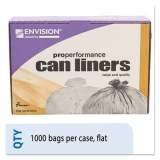
1-2 Day Delivery
$64.14 $128.75
Case of 1000($0.06/Each)
Choose Your Frequency:
Volume Pricing
1-2 Day Delivery
$53.00 $63.59
Box of 500($0.11/Each)
Choose Your Frequency:
Volume Pricing
1-2 Day Delivery
$44.66 $82.72
Case of 100($0.45/Each)
Choose Your Frequency:
Volume Pricing
1-2 Day Delivery
$46.75 $86.65
Case of 250($0.19/Each)
Choose Your Frequency:
Volume Pricing
1-2 Day Delivery
$41.15 $44.25
Box of 40($1.03/Each)
Choose Your Frequency:
Volume Pricing
1-2 Day Delivery
$34.02 $39.67
Box of 37($0.92/Each)
Choose Your Frequency:
Volume Pricing
1-2 Day Delivery
$35.10 $40.92
Box of 30($1.17/Each)
Choose Your Frequency:
Volume Pricing
1-2 Day Delivery
$10.52 $11.04
Box of 33($0.32/Each)
Choose Your Frequency:
Volume Pricing
1-2 Day Delivery
$54.46 $118.96
Box of 500($0.11/Each)
Choose Your Frequency:
Volume Pricing
1-2 Day Delivery
$42.23 $81.81
Box of 250($0.17/Each)
Choose Your Frequency:
Volume Pricing
1-2 Day Delivery
$52.60 $115.84
Box of 250($0.21/Each)
Choose Your Frequency:
Volume Pricing
1-2 Day Delivery
$42.19 $74.45
1 Box($42.19/Each)
Choose Your Frequency:
Volume Pricing
1-2 Day Delivery
$81.60 $121.48
Case of 200($0.41/Each)
Choose Your Frequency:
Volume Pricing
1-2 Day Delivery
$82.26 $141.38
($0.66/Each)
Choose Your Frequency:
Volume Pricing
1-2 Day Delivery
$94.60 $146.25
Case of 100($0.95/Each)
Choose Your Frequency:
Volume Pricing
1-2 Day Delivery
$90.32 $149.18
Case of 100($0.90/Each)
Choose Your Frequency:
Volume Pricing
1-2 Day Delivery
$115.34 $181.35
Case of 100($1.15/Each)
Choose Your Frequency:
Volume Pricing
1-2 Day Delivery
$169.34 $253.50
Case of 100($1.69/Each)
Choose Your Frequency:
Volume Pricing
1-2 Day Delivery
$22.64 $44.51
Case of 500($0.05/Each)
Choose Your Frequency:
Volume Pricing
1-2 Day Delivery
$63.06 $113.34
Case of 1000($0.06/Each)
Choose Your Frequency:
Volume Pricing
1-2 Day Delivery
$90.90 $153.02
Case of 1000($0.09/Each)
Choose Your Frequency:
Volume Pricing
1-2 Day Delivery
$19.61 $26.71
Case of 200($0.10/Each)
Choose Your Frequency:
Volume Pricing
1-2 Day Delivery
$54.59 $94.68
Case of 100($0.55/Each)
Choose Your Frequency:
Volume Pricing
1-2 Day Delivery
$75.02 $140.19
Case of 500($0.15/Each)
Choose Your Frequency:
Volume Pricing
1-2 Day Delivery
$72.86 $110.68
Case of 100($0.73/Each)
Choose Your Frequency:
Volume Pricing
1-2 Day Delivery
$29.05 $57.72
Case of 50($0.58/Each)
Choose Your Frequency:
Volume Pricing
Trash bags and can liners built for daily facility waste
Trash bags are a small line item that can create big problems when they fail. This category is built for commercial buyers who need consistent fit, dependable strength, and predictable cost per liner across recurring orders. With over 100 SKUs and brands like Heritage, Boardwalk, Inteplast Group, AbilityOne, Glad, Accufit, Stout by Envision, Earthsense, Pitt Plastics, and Trinity Plastics, you can standardize liners by location and reduce change-outs, leaks, and downtime.
For best results, match the liner to the can size, waste type, and handling method. That keeps your team compliant, reduces overuse (double-bagging), and protects floors and carts from spills.
How to choose the right trash bag or liner
1) Size and fit: match the can, not the guess
Start with the container dimensions and capacity. A liner that is too small slips and tears; too large wastes material and increases cost per pull. As a rule, choose a bag width that covers the can circumference and a length that allows a few inches of overhang for tying or cinching. If you are standardizing across a site, document the can size by area (restrooms, breakrooms, kitchens, dock) and assign a liner SKU to each.
2) Material and strength: HDPE vs LDPE vs repro
Material choice is the fastest way to dial in performance and price:
- High density (HDPE): best for paper and light, non-sharp waste. HDPE liners are typically more economical and resist punctures from dry waste, but can split under heavy, wet loads.
- Low density (LDPE/LLDPE): best for heavier, wetter, or irregular waste. LDPE liners stretch more and handle sharp edges better, which helps reduce leaks and torn bags.
- Reprocessed (repro): a cost-conscious option that can work well for general waste when you want value and acceptable performance. Confirm your use case if you are dealing with wet waste, sharp scrap, or strict facility standards.
If you already know your spec, jump directly to Drawstring Trash Bags, High Density Trash Bags, Low Density Trash Bags, or Repro Trash Bags to narrow by the exact construction you need.
3) Thickness and load type: avoid overbuying and underperforming
Thickness is often listed in mil, microns, or as a gauge rating. Thicker is not always better if the waste is light and dry. The right choice depends on:
- Weight: heavier loads need more stretch and tear resistance (often LDPE).
- Moisture: wet waste increases failure risk and odor; prioritize leak resistance and strong seals.
- Sharp edges: broken packaging, metal, or jagged disposables require puncture and tear resistance.
- Handling: if bags are dragged, tossed, or compacted, step up performance to prevent blowouts.
Standardizing the right thickness by area reduces double-bagging and helps keep your true cost per liner down.
4) Closure style: tie, drawstring, or flap tie
Closure affects labor time and spill risk. Drawstrings speed up removal and reduce contact with waste, which is useful in offices, schools, and healthcare-adjacent environments. Flat seal or star seal bottoms can improve leak resistance depending on the bag design. If you are optimizing for faster change-outs, Drawstring Trash Bags are typically the easiest upgrade without changing your cans.
Common commercial use cases
Offices, schools, and public spaces
Light waste streams (paper, packaging, disposables) often perform well with HDPE liners sized correctly to the can. If odor is a recurring complaint, pair liners with an odor strategy and consistent change-out schedules.
Restaurants, breakrooms, and food service back-of-house
Wet waste, food scraps, and heavier loads generally require tougher liners with better stretch and tear resistance. Consider stepping up to LDPE for fewer leaks and fewer emergency cleanups. For broader sanitation needs, coordinate liners with Cleaning Chemicals and Odor Control to keep waste areas clean and manageable.
Healthcare, labs, and regulated environments
Always follow your facility policy for waste segregation and labeling. Liners should support safe handling and reduce exposure risk. If your program includes dedicated containers, align liner sizing with your container inventory and replacement cadence.
Buying in bulk: reduce stockouts and lower cost per bag
Bulk purchasing is the simplest way to stabilize pricing and avoid last-minute substitutions that cause fit issues. For multi-site operations, standardize a small set of liner SKUs by can size and waste type, then reorder on a predictable schedule. This approach reduces training friction and keeps carts and closets consistent.
Need help matching liners to containers? If you are also updating bins or adding collection points, review Waste Receptacles to align can sizes with the liners you stock. For teams handling waste all day, add Gloves & Hand Protection to support safer change-outs and fewer incidents.
Operational details that matter
Shipping, storage, and inventory control
Trash bags are bulky, so freight and storage space matter. Ordering by the case helps reduce unit cost and keeps inventory simple. With 1-2 day shipping on many items, you can keep a leaner backroom while still protecting against stockouts for high-turn locations.
Consistency and support
When a liner spec changes, performance changes. Stick to a defined spec for each area and reorder the same SKU to maintain consistency. If you are unsure which material or thickness fits your waste stream, our knowledgeable customer support can help you narrow options quickly so you can place the right bulk order the first time.
Trash Bags & Liners FAQ
Are drawstring trash bags worth it for commercial use?
Often yes when labor time and spill prevention matter. Drawstrings speed up change-outs and reduce contact with waste, which is helpful in offices, schools, and many healthcare-adjacent settings.
How do I choose the right trash bag size for my can?
Match the bag width to the can circumference and choose a length that reaches the bottom with a few inches of overhang for tying or cinching. Using the correct size prevents slipping, tearing, and wasted material from oversized liners.
Should I buy trash bags by the case?
Yes for most facilities. Case quantities lower cost per bag, reduce stockouts, and make it easier to standardize the same liner across locations and reorder on a schedule.
What is the difference between HDPE and LDPE trash bags?
HDPE (high density) liners are typically more economical and work well for light, dry waste like paper. LDPE/LLDPE (low density) liners stretch more and are better for heavier, wetter, or sharper waste where tear and leak resistance matter.
What trash bags work best for wet or heavy waste?
LDPE/LLDPE liners are usually the best choice for wet or heavy loads because they stretch and resist tearing better. Confirm thickness and seal style based on how the bag is handled and whether the waste includes sharp edges.