
Dollies

Filters Clear All
Price
Capacity (Weight)
Color(s)
Dolly Size
Material(s)
Maximum Weight Capacity
Number of Wheels
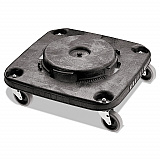
1-2 Day Delivery
$96.67 This item is listed at the minimum advertised price.
Choose Your Frequency:
Volume Pricing
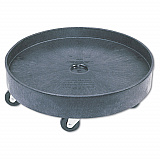
1-2 Day Delivery
$163.54 $274.89
Choose Your Frequency:
Volume Pricing
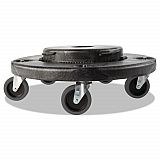
1-2 Day Delivery
$97.77 This item is listed at the minimum advertised price.
Choose Your Frequency:
Volume Pricing
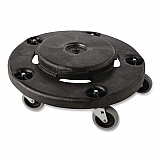
1-2 Day Delivery
$43.77 This item is listed at the minimum advertised price.
Choose Your Frequency:
Volume Pricing
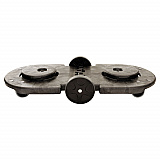
1-2 Day Delivery
$209.86 $428.05
Choose Your Frequency:
Volume Pricing
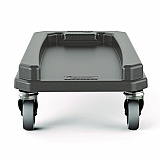
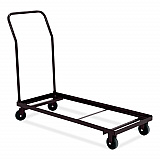
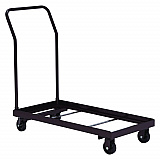
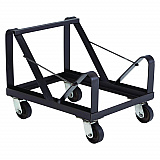
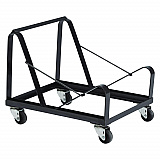
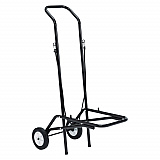
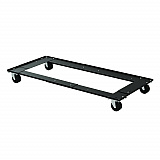
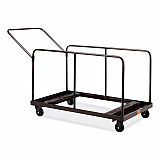
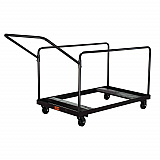
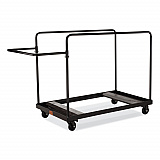
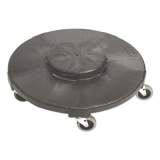
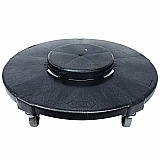
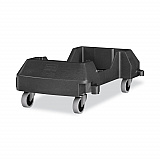
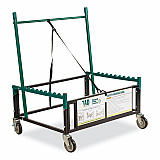
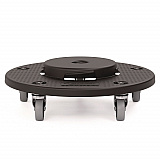
Commercial dollies for faster, safer material handling
Dollies reduce strain, speed up receiving, and protect floors and product during transport. This category is built for commercial environments that move cases, totes, equipment, and supplies every day - from back-of-house storage to corridors and loading areas.
With 100+ SKUs and brands like NPS, Rubbermaid Commercial, Impact, Suncast Commercial, Alera, and Boardwalk, you can match capacity, deck size, and wheel type to your workflow. Bulk ordering is straightforward, and fast 1-2 day shipping helps keep operations moving.
Choose the right dolly type for your load
Start with what you are moving and how it needs to be supported:
- Platform-style dollies: Best for boxes, cases, and mixed loads. Look for a deck size that fits your standard cartons without overhang.
- Furniture dollies: Low-profile frames designed for bulky items and equipment. Useful for maintenance teams, movers, and facilities.
- Specialty dollies: Options designed around specific use cases such as tight turning, frequent stops, or floor protection.
If your load needs upright control rather than a flat deck, consider Hand Trucks for stacked cartons and tall items. For longer loads or larger deck footprints, Platform Trucks can be a better fit for warehouse-style moves.
Capacity, deck size, and construction: what buyers should verify
Procurement teams typically standardize dollies to reduce damage and simplify training. Key specs to confirm before ordering:
- Load capacity: Choose a rating that covers your heaviest typical load with a safety margin. Avoid routinely running at max capacity to reduce caster wear.
- Deck dimensions: Match to common case sizes, bus tubs, or equipment footprints. A slightly larger deck can reduce tipping risk.
- Deck material: Plastic decks resist moisture and are easy to wipe down. Wood decks can be cost-effective and rigid for certain applications. Steel frames add durability for high-impact environments.
- Edge protection: Bumpers and rounded edges help prevent wall and door-frame damage in tight corridors.
For facilities that rely on modular cart systems, pairing dollies with Utility Carts can reduce trips and improve pick efficiency. If you need a dedicated housekeeping or service workflow, Janitorial & Housekeeping Carts may be the better all-in-one solution.
Wheel and caster selection: protect floors and improve control
Casters determine how a dolly feels in real use. Consider the surface, turning radius, and noise requirements:
- Hard wheels: Roll easily on smooth concrete but can transmit vibration and increase noise.
- Softer tread: Better for tile, sealed floors, and noise-sensitive areas. Helps reduce scuffing and improves grip.
- Swivel vs. rigid: More swivels improve maneuverability in tight spaces. A mix of swivel and rigid can improve tracking on longer runs.
- Brake options: Useful on ramps, in elevators, and when staging loads.
If you are moving wet waste, linens, or bulky contents that benefit from a tub-style container, Tilt Trucks can reduce lifting and dumping effort. For general-purpose hauling where you want higher sidewalls than a flat dolly, Utility & Cube Trucks are a strong alternative.
Operational fit by industry
Restaurants and foodservice: Move cases, dry goods, and small equipment quickly. Prioritize easy-clean decks and quiet casters for back-of-house traffic.
Schools and campuses: Transport supplies between rooms and buildings. Look for stable decks, bumpers, and caster treads that protect VCT and tile.
Offices and facilities: Support mailroom, IT moves, and maintenance tasks. Standardizing a few deck sizes can simplify ordering and reduce downtime.
Healthcare and clinics: Focus on cleanability, low noise, and controlled handling in corridors. Choose materials that tolerate routine wipe-downs.
Bulk ordering and lifecycle value
Dollies are often a recurring purchase for multi-site operations. Ordering in quantity helps standardize training, reduce damage from mismatched equipment, and simplify replacement cycles. If you need to extend service life, consider adding replacement parts and add-ons where available through Cart Accessories.
Need help matching capacity, caster type, or deck size to your use case? Our knowledgeable customer support can help you spec the right dolly for your environment, then get it shipped fast with 1-2 day delivery on many items.
Dollies FAQ
Are plastic deck dollies better than wood?
Plastic decks are easy to clean and resist moisture, making them a strong choice for janitorial, foodservice, and healthcare areas. Wood decks can be cost-effective and rigid for dry environments; choose based on cleaning needs and impact exposure.
Can I order dollies in bulk for multiple locations?
Yes. Bulk ordering helps standardize equipment across sites, simplifies reordering, and can reduce freight and downtime. If you share your use case and quantities, support can help you select consistent specs.
Do I need swivel casters on all four corners?
Four swivels maximize maneuverability in tight spaces, but can feel less stable on long straight runs. A mix of swivel and rigid casters can improve tracking while still allowing controlled turns.
What capacity dolly should I buy for commercial use?
Choose a load rating that exceeds your heaviest typical load with a safety margin. If loads vary, standardize on a higher-capacity model to reduce caster wear and improve stability.
Which caster type is best for tile or finished floors?
Softer tread casters are typically better for tile, VCT, and other finished floors because they reduce noise and help prevent scuffing. Confirm wheel material and floor compatibility before ordering.