
Tilt Trucks

Filters Clear All
Price
Application
Capacity (Volume)
Capacity (Weight)
Color Family
Color(s)
Depth
Finish
For Use With
Height
Interior Volume Capacity
Material(s)
Maximum Weight Capacity
Opening Size
Opening Type
Shape
Width

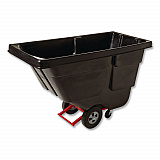
Scheduled Freight Delivery
$647.00 This item is listed at the minimum advertised price.
Choose Your Frequency:
Volume Pricing
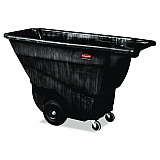
Scheduled Freight Delivery
$954.00 This item is listed at the minimum advertised price.
Choose Your Frequency:
Volume Pricing
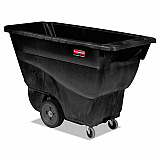
Scheduled Freight Delivery
$617.00 This item is listed at the minimum advertised price.
Choose Your Frequency:
Volume Pricing
Scheduled Freight Delivery
$918.00 This item is listed at the minimum advertised price.
Choose Your Frequency:
Volume Pricing
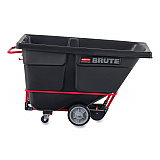
Scheduled Freight Delivery
$1,217.00 This item is listed at the minimum advertised price.
Choose Your Frequency:
Volume Pricing
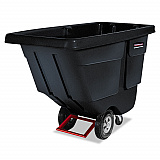
Scheduled Freight Delivery
$886.00 This item is listed at the minimum advertised price.
Choose Your Frequency:
Volume Pricing
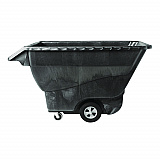
Scheduled Freight Delivery
$1,178.00 This item is listed at the minimum advertised price.
Choose Your Frequency:
Volume Pricing
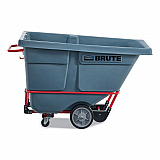
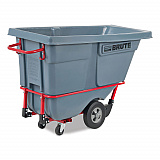
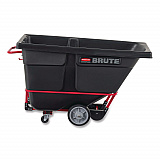
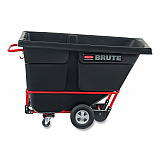
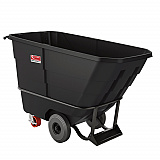
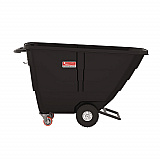
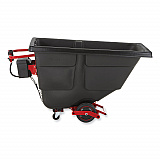
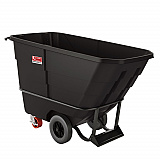
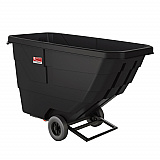
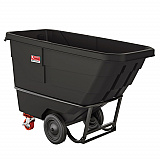
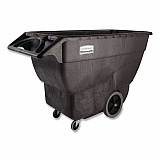
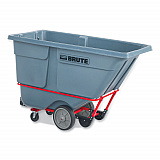
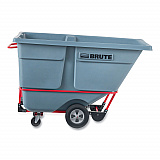
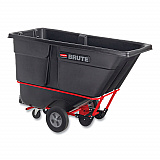
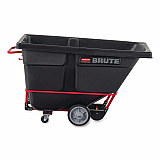
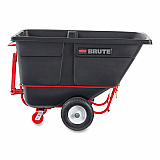
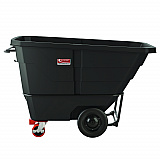
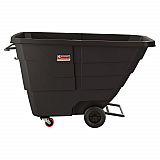
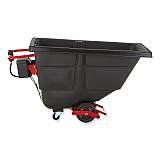
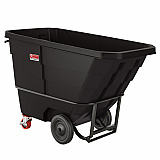
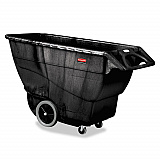
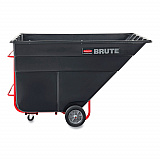
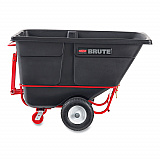
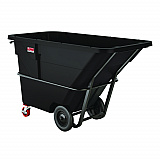
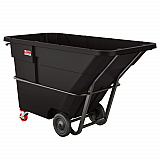
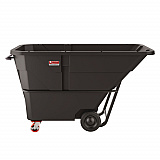
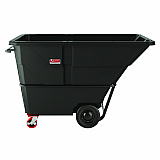
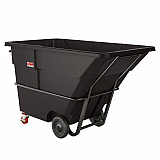
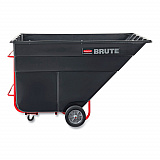
Tilt trucks for faster, safer material handling
Tilt trucks are a go-to solution for moving and dumping heavy loads without constant lifting. They are commonly used for trash collection, linen handling, recycling, and general facility clean-up in schools, healthcare, restaurants, warehouses, and commercial buildings. With bulk pricing, a wide assortment of SKUs, and knowledgeable support, its easier to standardize equipment across multiple sites and keep crews productive.
Most tilt trucks are designed to roll smoothly when loaded, then tip forward to empty into a dumpster, compactor, or collection area. The right model reduces strain, speeds up routes, and helps keep floors cleaner by limiting spills and overfilled bags.
Key specs to choose before you buy
Capacity (cubic yards and weight): Match the truck to your waste stream and route length. Larger capacities reduce trips but require more turning space and stronger floors/ramps. If you are unsure, choose based on typical bag count per shift and the heaviest expected material (wet linens, food waste, broken-down cardboard).
Material and durability: Many commercial tilt trucks use rotomolded plastic for impact resistance and easy washdown. Look for thick walls, reinforced rims, and hardware that holds up to repeated dumping. Brands like Rubbermaid Commercial and Suncast Commercial are commonly specified for institutional environments where uptime matters.
Dump style and control: Consider how the truck will be emptied. Some models are designed for controlled dumping with ergonomic handles and balanced geometry. If your team dumps into tall dumpsters, confirm the lip height and whether a dump assist is needed.
Casters and maneuverability: Wheel type affects noise, floor marking, and effort. Larger diameter casters typically roll better over thresholds and outdoor pavement. For tight corridors, prioritize turning radius and handle placement.
Footprint and storage: Measure doorways, elevators, and storage closets. A high-capacity truck that cannot clear a service elevator will slow operations and create workarounds.
Where tilt trucks fit in a janitorial program
Tilt trucks are ideal when crews need to move bulk material across a facility and dump at a central point. They are often used alongside liners or bags, but they can also carry loose recyclables, broken-down boxes, or wet mop heads headed to laundry.
If you are outfitting a full cart fleet, tilt trucks typically cover the heavy-haul role while smaller carts handle room-to-room tasks. For add-ons like replacement wheels, lids, or hardware, check Cart Accessories to keep your equipment in service longer and reduce replacement costs.
Alternatives and complementary equipment
Not every job needs a dump-style truck. For lighter loads or tighter spaces, Utility Carts can be a better fit for supplies and smaller waste runs. When you need a flat deck for boxes or cases, Platform Trucks are a strong option for back-of-house receiving and stock moves.
For vertical handling and two-wheel transport, Hand Trucks can reduce trips when moving bagged waste, beverage cases, or stacked cartons. If your team needs low-profile rolling support for bulky items, Dollies can complement tilt trucks for staging and quick transfers.
Buying in bulk: standardize, save, and simplify
Facilities teams and procurement groups often standardize on a few tilt truck sizes to simplify training, parts, and replacement cycles. Bulk ordering helps lock in better unit economics, reduce freight complexity, and ensure consistent performance across locations. If you manage multiple buildings, consider ordering by route type (linen, trash, recycling) so each crew has the right capacity without overbuying.
Need help matching a model to your waste stream, floor type, and dump height? Our support team can help you narrow down capacity, caster style, and durability features so you can place an order with confidence. Many items ship in 1-2 days, helping you replace broken equipment quickly and keep operations on schedule.
What to verify for compliance and facility fit
Before checkout, confirm the truck will fit through your narrowest doorway and turn in your tightest corridor. If you operate in healthcare or food service, prioritize easy-clean surfaces and designs that minimize crevices where debris can collect. For outdoor routes, verify caster material and diameter for pavement and ramps, and consider how the truck will be secured during transport between buildings.
Tilt Trucks FAQ
Are tilt trucks safe to dump into a dumpster or compactor?
They are designed for controlled dumping, but you should confirm the dump lip height, handle design, and stability when tipping. For taller dumpsters, verify the model is rated for that use and consider whether a dump assist or specific geometry is recommended.
Do you offer bulk pricing and fast shipping on tilt trucks?
Yes. Bulk pricing is available, and many SKUs ship in 1-2 days. If you are standardizing across multiple sites, our team can help you select a few sizes to simplify purchasing and maintenance.
What caster type is best for indoor floors vs outdoor routes?
For indoor use, choose non-marking casters that roll quietly and protect finished floors. For outdoor pavement, thresholds, and ramps, larger diameter wheels typically roll easier and reduce operator effort.
What size tilt truck do I need for my facility?
Start with your typical load volume per route (bags or loose material) and the heaviest expected contents (wet linens, food waste, cardboard). Larger capacities reduce trips but require more maneuvering space and may need larger casters for ramps and thresholds.