
Refreshment Stations

Scheduled Freight Delivery
$261.17 $446.41
Choose Your Frequency:
Volume Pricing
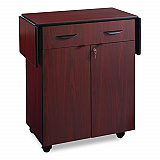
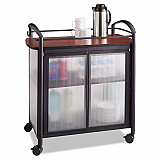
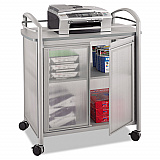
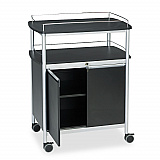
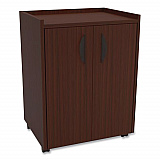
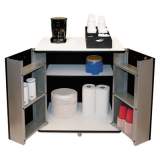
Refreshment stations for organized, self-serve breakrooms
Refreshment stations help you centralize beverages, cups, lids, stirrers, napkins, and waste in one place, so traffic moves faster and cleanup is easier. They are a practical fit for offices, schools, healthcare waiting areas, and light commercial kitchens where consistency and cleanliness matter.
With 100+ SKUs and brands like Safco and Vertiflex, you can spec a station that matches your space, volume, and storage needs. Bulk pricing and quick fulfillment make it easier to standardize across multiple locations or reorder for expansions.
What to store: coffee, water, condiments, and disposables
A well-planned station reduces clutter and prevents supply outages. Most buyers build around a few core zones:
- Beverage zone: coffee service, hot water, or bottled water storage.
- Condiment zone: sugar, sweeteners, creamers, tea, cocoa, and stir sticks.
- Disposables zone: cups, lids, sleeves, napkins, and utensils.
- Waste zone: integrated or adjacent trash access to keep the area tidy.
For higher-traffic areas, prioritize stations that keep frequently used items at hand level and reserve lower shelves for backstock. This reduces restocking time and keeps the surface clear for service.
Key buying criteria: footprint, capacity, and durability
Commercial buyers typically narrow options by space and throughput first, then by materials and storage layout.
- Footprint and placement: measure wall length and clearance for doors, drawers, and traffic flow. Corner-friendly layouts can reduce congestion.
- Storage capacity: look for shelving sized for cup sleeves, condiment bins, and case-pack backstock.
- Durability: choose sturdy frames and surfaces that handle daily wiping, spills, and frequent restocking.
- Ease of cleaning: smooth surfaces and accessible shelves support faster sanitation routines.
If you are outfitting multiple break areas, standardizing on one or two station configurations can simplify training, replenishment, and purchasing.
Compliance and facility considerations
Refreshment stations often sit in shared spaces, so practical compliance matters even when the station is not used for food prep. Plan for:
- Cleanability: surfaces that can be wiped down quickly and consistently.
- Spill control: space for drip trays or mats near beverage equipment.
- Accessibility: placement that supports safe access without blocking egress routes or creating trip hazards.
- Storage hygiene: closed storage can help protect disposables from dust in high-traffic areas.
For facilities with stricter internal policies, confirm the station layout supports your housekeeping and restocking workflow before standardizing across sites.
How to choose the right refreshment station for your volume
Match the station to usage patterns to avoid constant restocking or wasted space.
- Low to moderate traffic: compact stations with dedicated cup and condiment storage keep the area neat without overbuilding.
- High traffic: larger capacity shelving and clear organization zones reduce bottlenecks and keep supplies visible.
- Multi-shift operations: prioritize backstock storage so the next shift can replenish quickly.
Buying in bulk is often the most cost-effective approach when you are equipping multiple floors, departments, or satellite locations. It also helps keep finishes and layouts consistent for a more professional look.
Alternative and complementary solutions
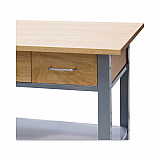
If your application needs more work surface for staging or light assembly, Food Prep Tables can be a better fit for broader prep and support tasks while still keeping supplies close at hand. Many facilities pair a refreshment station with a nearby table to create a complete service area without crowding the main breakroom.
Why buy refreshment stations here
Fast ordering matters when you are replacing worn equipment or setting up a new space on a deadline. With a large assortment, bulk-friendly pricing, and 1-2 day shipping on many options, you can move from spec to install quickly. If you need help comparing layouts, capacities, or best-fit configurations, knowledgeable support can help you avoid mismatched storage and reduce returns.
For procurement teams, consistent availability and clear product selection help streamline repeat orders and standardization across locations.
Refreshment Stations FAQ
Are refreshment stations easy to clean and maintain?
Most commercial-ready stations are designed for routine wipe-downs. Look for smooth, durable surfaces and storage layouts that keep disposables protected and easy to access for restocking.
Can I buy refreshment stations in bulk for multiple locations?
Yes. Bulk purchasing helps standardize layouts across sites, simplifies replenishment, and can reduce per-unit cost. It is also useful for multi-floor offices, schools, and healthcare facilities.
What should I store in a refreshment station?
Common setups include cups, lids, sleeves, napkins, stirrers, sweeteners, tea, cocoa, and other condiments, plus space for backstock. Many buyers also plan a nearby waste solution to keep the area clean.
What size refreshment station do I need for an office breakroom?
Start with available wall length and expected daily users. Low-traffic areas can use compact stations, while higher-traffic breakrooms typically need larger shelving capacity for cups, lids, and backstock to reduce restocking.
When should I choose a food prep table instead of a refreshment station?
Choose a refreshment station when organization and self-serve storage are the priority. If you need more open work surface for staging or light prep tasks, Food Prep Tables may be a better fit.