
Gloves & Hand Protection

Categories
Filters Clear All
Price
Ambidextrous
Chlorinated
Color Family
Color(s)
Depth
Description
ESD Safe
Glove Material
Glove Style
Height
Length
Material(s)
Mounting
Mounting Details
Packaged Sterile
Powdering
Size Group
Size Type
Thickness
Thickness/Gauge
Width
Wrist Style
Shop Popular Categories

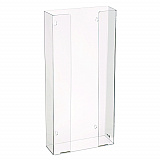
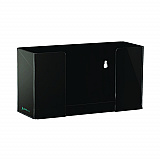
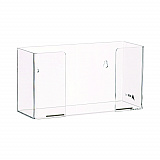
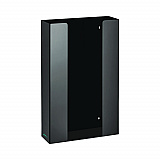


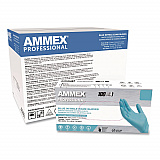
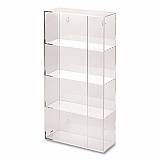
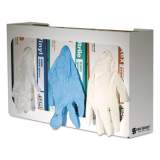
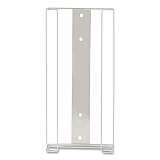
Gloves and hand protection for commercial cleaning, foodservice, and facilities
Gloves are a frontline control for chemical exposure, cross-contamination, and skin irritation. For janitorial teams, kitchens, schools, offices, and healthcare environments, the right glove improves safety, reduces waste, and keeps tasks moving. This category is built for buyers who need consistent performance, clear specs, and dependable replenishment.
Choose from trusted brands including AdirMed, San Jamar, AmerCareRoyal, AMMEX Professional, GloveWorks by AMMEX, Kantek, and Unimed. With 100+ SKUs, you can standardize across locations or tailor glove types by task.
How to choose the right glove
Match material to the job
Nitrile is a go-to for many facilities because it offers strong puncture resistance and broad chemical splash protection, while staying latex-free for allergy-sensitive workplaces. Latex can provide excellent elasticity and tactile feel for detailed work, but may not be suitable where latex sensitivities are a concern. Vinyl is often selected for short, low-risk tasks where frequent changes matter more than durability. For heavier-duty work, thicker formulations and textured grips can improve performance in wet or oily conditions.
Understand thickness, texture, and cuff length
Thickness is commonly expressed in mils; thicker gloves typically last longer and resist punctures better, while thinner gloves improve dexterity for fast-paced tasks. Textured fingertips or palms help with grip on wet tools and containers. Longer cuffs add coverage for splash-prone tasks like degreasing, restroom cleaning, and dish areas.
Get sizing right to reduce waste
Too-small gloves tear and slow down work; too-large gloves reduce control and increase snag risk. Standardizing sizes by role and keeping a size run on hand helps reduce overuse and improves compliance. If you are stocking multiple stations, consider pairing gloves with Glove Dispensers to keep sizes organized and reduce cross-contact.
Disposable vs reusable: what to stock
Disposable gloves for high-change tasks
Disposable gloves are ideal for food handling, light cleaning, and tasks that require frequent changes. If you need fast donning and consistent turnover, start with Disposable & Single Use Gloves and choose by material, thickness, and grip. Bulk case quantities help control cost per use and keep teams from running short mid-shift.
Reusable gloves for chemical handling and durability
For repeated exposure to cleaners, degreasers, and disinfectants, reusable options can improve protection and reduce long-term spend when properly maintained. If chemical resistance is the priority, narrow your selection in Chemical Resistant & Reusable Gloves and verify compatibility with the products you use.
Use-case guidance by environment
Janitorial and facility cleaning
Restroom cleaning, trash handling, and surface disinfection typically call for nitrile or other chemical-tolerant materials, plus textured grip. For higher-risk chemical tasks, step up to thicker or reusable styles and consider longer cuffs for splash coverage.
Foodservice and front-of-house
For food contact tasks, prioritize comfort, quick changes, and reliable sizing. Keep multiple sizes available and use dispensers to prevent mix-ups. If you are also managing sanitation programs, align glove choices with your Soaps & Hand Hygiene standards to support consistent handwashing and glove-change routines.
Healthcare, schools, and offices
These environments often need latex-free options, dependable barrier protection, and clear labeling for staff. Stocking a consistent nitrile line in multiple sizes helps reduce training friction and improves compliance.
Buying in bulk: reduce stockouts and control cost per use
Bulk purchasing is the simplest way to stabilize supply and lower your effective cost per glove. Case packs support multi-site replenishment and reduce emergency orders that drive up freight costs. If you are building a full cleaning program, gloves pair naturally with Cleaning Chemicals for task-specific protection, and with Trash Bags & Liners for safer waste handling workflows.
Need help choosing between materials, thickness, or sizing? Our customer support team can help you match glove specs to your application, so you can order confidently and keep crews moving.
FAQ
What is the best glove material for commercial cleaning chemicals?
Nitrile is a common choice for many cleaners due to puncture resistance and broad splash protection. For stronger chemicals or extended exposure, consider reusable options and verify chemical compatibility for your specific products.
How do I choose the right glove thickness?
Use thinner gloves when dexterity and frequent changes matter most, and thicker gloves when durability, puncture resistance, and longer wear time are priorities. Wet or oily tasks often benefit from textured grip.
Should I buy gloves by the box or by the case?
Cases typically deliver a lower cost per glove and reduce the risk of running out during peak shifts. Buying by the case is usually best for recurring use across departments or multiple locations.
Do glove dispensers help with compliance and waste?
Yes. Dispensers keep sizes separated, improve access at point-of-use, and reduce contamination from handling multiple boxes. They are especially useful in foodservice and high-traffic cleaning areas.
Gloves & Hand Protection FAQ
Do glove dispensers help with compliance and waste?
Yes. Dispensers keep sizes separated, improve access at point-of-use, and reduce contamination from handling multiple boxes. They are especially useful in foodservice and high-traffic cleaning areas.
How do I choose the right glove thickness?
Use thinner gloves when dexterity and frequent changes matter most, and thicker gloves when durability, puncture resistance, and longer wear time are priorities. Wet or oily tasks often benefit from textured grip.
Should I buy gloves by the box or by the case?
Cases typically deliver a lower cost per glove and reduce the risk of running out during peak shifts. Buying by the case is usually best for recurring use across departments or multiple locations.
What is the best glove material for commercial cleaning chemicals?
Nitrile is a common choice for many cleaners due to puncture resistance and broad splash protection. For stronger chemicals or extended exposure, consider reusable options and verify chemical compatibility for your specific products.