
Compartment Trays

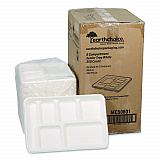
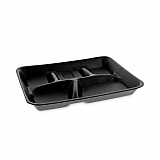
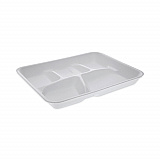
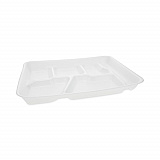

Compartment trays for portion control and faster service
Compartment trays are a practical choice when you need clean separation between entrees, sides, and sauces without extra dishes. They help reduce cross-contact, improve presentation, and speed up plating for cafeterias, takeout counters, catering, and healthcare meal delivery. With bulk ordering, you can keep costs predictable and avoid last-minute shortages.
Our assortment focuses on commercial-ready options from Pactiv, with pricing designed for repeat purchasing and high-volume operations. If you are managing multiple locations or a recurring meal program, ordering by the case helps standardize portions and simplify inventory.
How to choose the right compartment tray
Number of compartments and portion layout
Start with the menu. Common layouts include 2-compartment and 3-compartment designs, which work well for protein plus sides, or entrees with a dessert section. Deeper compartments help with saucier items, while wider sections support larger portions without overflow. If you are portioning for nutrition programs or controlled serving sizes, consistent compartment volume makes training and compliance easier.
Material and performance needs
Performance depends on what you are serving and how it is transported. Consider:
- Heat tolerance: Hot foods can soften lighter materials. Choose trays designed to hold up under typical service temperatures.
- Grease and moisture resistance: Fried foods, gravies, and dressings require better barrier performance to prevent sogginess.
- Rigidity for transport: Stiffer trays stack better and reduce spills during delivery or cafeteria line handling.
If you need help matching a tray to your menu and service style, our customer support team can recommend options based on real-world use cases.
Stacking, storage, and freight efficiency
In busy kitchens and storerooms, stackability matters. Case-packed compartment trays are typically optimized for nesting, which reduces storage footprint and helps control freight costs per unit. For recurring buyers, case quantities also reduce reorder frequency and keep your per-meal packaging cost lower.
Operational advantages for commercial buyers
Speed, consistency, and fewer touchpoints
Using a single tray for a complete meal reduces assembly steps and minimizes the need for multiple containers. That means faster throughput during peak periods and fewer items to stock. Consistent tray formats also make it easier to train staff and maintain portion standards across shifts.
Better guest experience with cleaner presentation
Separated compartments keep textures intact and prevent flavor mixing. This is especially important for crisp sides, sauced entrees, and meals with cold and hot components. The result is a cleaner, more intentional presentation that holds up from kitchen to customer.
Build the right disposable dinnerware set
Compartment trays often work best as part of a full service system. If you need a different format for soups, chili, or sides, add Bowls to cover liquid and semi-liquid menu items. For events or dine-in where a flat profile is preferred, Plates can be a better fit for entrees without multiple sides.
When you are packaging larger shareables or catering spreads, Platters provide a broader footprint for presentation and transport. And if you need to reduce spills in transit or improve stacking for delivery, pair trays with Dinnerware Lids for a more secure seal and cleaner handoff.
Why buy compartment trays here
Bulk assortment and dependable availability
With over 100 SKUs across disposable dinnerware, you can standardize packaging across locations and menu types. Stocking by the case supports recurring demand and helps prevent mid-week outages.
Low pricing and fast shipping
Cost control matters in foodservice and institutional buying. Our pricing is built for commercial volume, and most orders ship fast with 1-2 day delivery options to keep operations running.
Knowledgeable support for procurement and operators
Whether you are a procurement professional managing specs or an operator focused on speed of service, our team can help you choose the right tray configuration, case pack, and complementary items to reduce waste and improve consistency.
Compartment Trays FAQ
Are these trays suitable for hot foods?
Many compartment trays are designed for hot food service, but performance depends on the material and food temperature. If you serve very hot or greasy items, select a tray with better heat and moisture resistance and test with your menu.
Do I need lids for compartment trays?
Lids are recommended for delivery, grab-and-go, and stacked transport to reduce spills and protect food quality. If you are serving on a cafeteria line, lids may be optional depending on your workflow.
How do I choose between 2-compartment and 3-compartment trays?
Choose based on your menu layout. A 2-compartment tray works well for an entree plus one side, while a 3-compartment tray supports an entree with two sides or a dessert section. Consider compartment depth if you serve saucy items.
Is it better to buy compartment trays in bulk cases?
Yes. Case quantities typically lower your per-unit cost, reduce reorder frequency, and help maintain consistent portioning across shifts or locations. Bulk buying also improves storage planning and can reduce freight cost per tray.
What are compartment trays best used for?
Compartment trays are ideal for serving complete meals where you need separation between entrees, sides, and sauces. They are commonly used in cafeterias, catering, takeout, and healthcare meal service to improve presentation and speed assembly.