
Brooms

Filters Clear All
Brands
Price
Application
Bristle Color
Bristle Length
Bristle Material
Brush Length
Color(s)
For Use With
Handle Diameter
Handle Length
Handle Material
Handle Material(s)
Overall Length


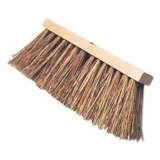
1-2 Day Delivery
$16.74 $34.01
Choose Your Frequency:
Volume Pricing
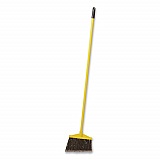
1-2 Day Delivery
$13.44 $35.03
Choose Your Frequency:
Volume Pricing
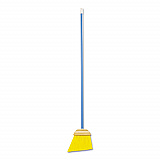
1-2 Day Delivery
$20.57 $27.55
Choose Your Frequency:
Volume Pricing
1-2 Day Delivery
$20.02 $29.33
Choose Your Frequency:
Volume Pricing
1-2 Day Delivery
$7.92 $11.47
Choose Your Frequency:
Volume Pricing
1-2 Day Delivery
$30.11 $53.73
Choose Your Frequency:
Volume Pricing
1-2 Day Delivery
$31.10 $50.36
Choose Your Frequency:
Volume Pricing
1-2 Day Delivery
$12.97 This item is listed at the minimum advertised price.
Choose Your Frequency:
Volume Pricing
$7.13 $13.07
Choose Your Frequency:
Volume Pricing
1-2 Day Delivery
$14.29 $25.71
Choose Your Frequency:
Volume Pricing
1-2 Day Delivery
$97.37 $154.26
Case of 6($16.23/Each)
Choose Your Frequency:
Volume Pricing
1-2 Day Delivery
$97.37 $154.26
Case of 6($16.23/Each)
Choose Your Frequency:
Volume Pricing
1-2 Day Delivery
$8.69 $15.67
Choose Your Frequency:
Volume Pricing
1-2 Day Delivery
$53.87 This item is listed at the minimum advertised price.
Choose Your Frequency:
Volume Pricing
1-2 Day Delivery
$74.06 $127.27
Choose Your Frequency:
Volume Pricing
1-2 Day Delivery
$12.23 $20.00
Choose Your Frequency:
Volume Pricing

1-2 Day Delivery
$14.36 $21.99
Choose Your Frequency:
Volume Pricing
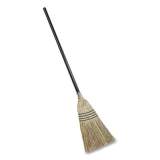
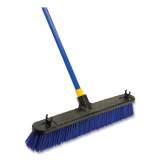
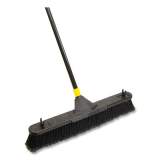
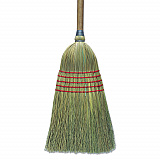
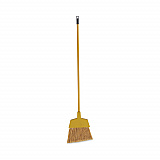
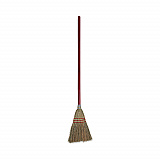

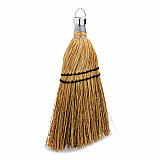
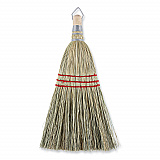
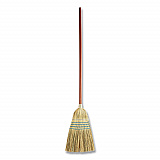

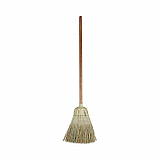
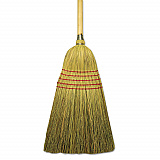
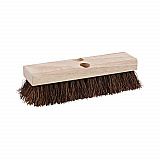
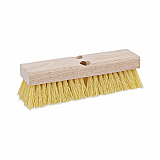
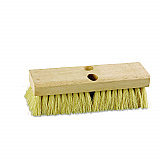
Commercial brooms for daily facility cleaning
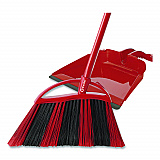
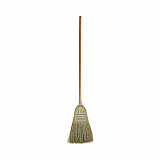
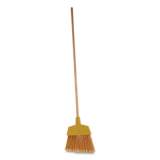
Brooms are still the fastest way to control dry debris in high-traffic spaces - especially when you need quick touch-ups between deeper floor care cycles. This category is built for commercial buyers who care about durability, consistent performance, and predictable reordering. With 100+ SKUs, you can match the broom to the surface, soil type, and cleaning frequency without overpaying.
For best results, pair the right broom with the right collection tool. If your team is sweeping into a pan, match head width and edge profile with Dust Pans to reduce missed debris and rework. If you are building a full dry-cleaning setup, Dusters and Dusting Wipes can help capture fine dust before it gets pushed around.
How to choose the right broom
Match bristle material to debris and surface
Start with what you are sweeping. Fine dust, sand, and light litter typically need softer bristles that keep contact with the floor and pull debris into a pile. Heavier debris (grit, chips, small scraps) usually performs better with stiffer fibers that do not collapse under load.
- Soft bristles: Better for smooth floors and fine particles. Helps reduce airborne dust and streaking on sealed surfaces.
- Medium bristles: A practical all-around choice for mixed debris in offices, schools, and retail.
- Stiff bristles: Better for rough surfaces and heavier debris. Common in back-of-house, loading areas, and maintenance shops.
Select the right broom type for the job
Commercial facilities often need more than one broom style to stay efficient. Using the wrong profile can waste labor and shorten tool life.
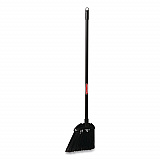
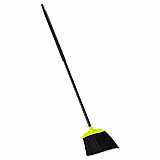
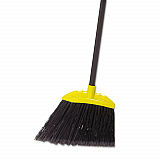
- Angle brooms: Designed for corners, baseboards, and under fixtures. A go-to for daily sweeping routes.
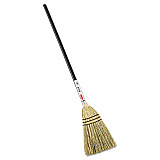
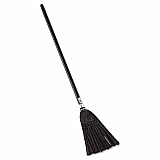
- Lobby brooms: Compact for quick spot cleaning and front-of-house touch-ups.
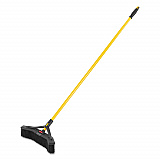
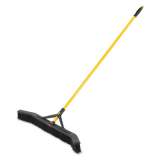
- Push brooms: Wider heads for large floor areas, warehouses, and hallways where coverage speed matters.
Head width, trim length, and sweeping efficiency
Wider heads cover more area per pass, but they also require more control and can be harder to maneuver in tight spaces. Trim length (bristle length) affects how the broom flexes: longer trim can help with uneven surfaces, while shorter trim tends to provide more aggressive sweeping on smooth floors.
If you are standardizing tools across multiple locations, consider choosing a small set of head widths that align to your floor plans (tight restrooms and breakrooms vs wide corridors and receiving areas). Standardization reduces training time and simplifies reordering.
Handle compatibility and replacement planning
Handles are not one-size-fits-all. Some broom heads accept threaded handles, while others use tapered or specialty connections. If you want to reduce long-term cost, choose systems where handles can be replaced separately from heads. For facilities that already stock compatible parts, browse Extension Poles & Handles and Handles & Braces to keep your inventory consistent.
Buying brooms for business: what procurement teams care about
Durability and total cost per sweep
Commercial brooms should hold their shape and resist splaying under daily use. A lower unit price does not help if the broom fails early and increases labor time. Look for reinforced head construction, secure bristle set, and handle connections that do not loosen during use.
Compliance, safety, and facility standards
Many organizations need tools that support internal cleanliness standards and safety programs. Consider color-coding for zone separation, and choose broom styles that reduce dust kick-up in sensitive areas. If your process includes wet cleaning after sweeping, you can align your program with Mops and the right Mop Heads for the floor finish and disinfectant protocol.
Bulk ordering and replenishment
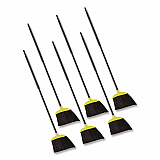
If you manage multiple buildings or a janitorial route, bulk purchasing helps lock in price advantage and reduces emergency orders. Keep a simple par level by area (front-of-house, restrooms, back-of-house) and reorder before bristles are worn down or permanently bent. Fast 1-2 day shipping supports planned replenishment and helps you avoid downtime when a tool breaks mid-shift.
Recommended pairings to improve cleaning results
Dust control and pickup
Sweeping is faster when debris is captured cleanly. Pair brooms with Cleaning Cloths & Wipes for final wipe-downs, and keep Dusting Wipes on carts for quick particulate control in offices and healthcare-adjacent spaces.
Wet cleanup and floor finishing support
For spills and rinse-down areas, brooms are only part of the workflow. Add Buckets & Wringers for controlled mop water management and Squeegees to pull water toward drains and reduce slip risk.
Brands and support you can rely on
This assortment includes trusted commercial lines such as Boardwalk, Rubbermaid Commercial, O-Cedar, AbilityOne, Carlisle, Quickie, Nexstep Commercial Products, Impact, O'Dell, and Unger. If you are replacing an existing broom program, our knowledgeable support can help you match head style, handle type, and performance level so you can order with confidence.
Need to optimize your cart setup? Consider adding Sprayers & Pumps for spot treatments and Scouring Pads & Sticks for stuck-on soils where sweeping is not enough.
Brooms FAQ
How do I know if a broom handle will fit my broom head?
Check the connection type: many commercial heads use threaded handles, while others use tapered or specialty fittings. If you are standardizing, confirm compatibility before ordering in bulk to avoid mismatched parts.
Should I buy brooms in bulk for multiple locations?
Yes. Bulk ordering helps reduce per-unit cost, supports consistent tool standards across sites, and minimizes emergency purchases. Set par levels by area and reorder before bristles are worn or permanently bent.
What is the difference between an angle broom and a push broom?
An angle broom is designed for edges, corners, and tight spaces with a tapered bristle line. A push broom has a wider head for covering large open areas faster, making it better for hallways, warehouses, and large rooms.
What tools should I pair with brooms for faster cleanup?
Pair brooms with Dust Pans for efficient pickup. For dust control and finishing, add Cleaning Cloths & Wipes or Dusting Wipes, and for wet areas consider Buckets & Wringers and Squeegees.
Which broom is best for smooth floors vs rough concrete?
For smooth, sealed floors, use soft to medium bristles to keep full contact and reduce dust kick-up. For rough concrete or textured surfaces, choose stiffer bristles and a more rigid head to move heavier debris without excessive splaying.