
Food Safety Gear

Categories
Filters Clear All
Price
Apparel Type
Color Family
Color(s)
Material(s)
Size Group
Suggested Use
Washable
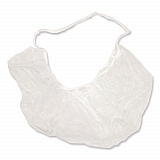
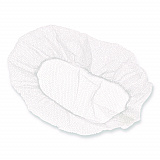
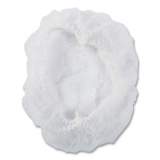
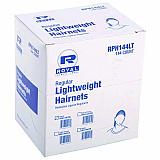
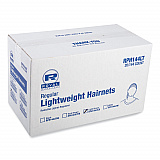
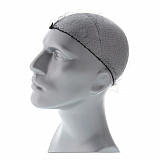
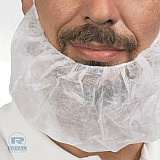
Food safety gear built for daily compliance
Food safety programs fail in small moments: an uncovered head, an unprotected cut, a missed barrier between food and hands. This category focuses on practical, high-turn gear that supports HACCP plans, health inspections, and consistent line discipline across restaurants, schools, healthcare, and other high-volume kitchens.
Buyers typically need two things at once: reliable compliance and predictable replenishment. With 100+ SKUs, low pricing, and 1-2 day shipping on many items, you can standardize what your team uses and reduce last-minute runs that inflate costs.
What belongs in food safety gear (and why it matters)
Contamination control and barrier protection
Food safety gear is designed to reduce direct contact, limit shedding, and keep personal items out of production areas. In practice, that means disposable and easy-to-sanitize options that can be issued per shift, per station, or per task.
If your main risk is hair and particle control, go straight to Hairnets & Hair Restraints to narrow by coverage level, style, and use case. That subset is often the fastest way to align with local code requirements and internal GMP rules.
Audit readiness and consistent SOP execution
Inspectors look for repeatable processes, not one-off fixes. Standardizing gear by role (prep, cook line, dish, receiving) makes training easier and reduces noncompliance when staffing changes. Bulk case packs also help you keep par levels stable across multiple locations.
Comfort and adoption on the line
Gear only works when it gets worn. Prioritize breathable materials, secure fits, and easy donning/doffing so teams do not skip steps during rush periods. For multi-shift operations, comfort is often the difference between policy and practice.
How to choose the right food safety gear
Match the gear to the task and hazard
Start with the station: ready-to-eat handling, raw protein prep, baking, and dish all have different exposure risks. Then align to your SOPs: single-use vs reusable, change frequency, and where items are stored to prevent cross-contamination.
Confirm sizing, fit, and coverage requirements
Coverage is a common failure point. For hair control, consider whether you need full coverage, beard containment, or a more minimal restraint based on role and local expectations. For any wearable item, confirm that it stays in place during movement and does not interfere with PPE already required on site.
Plan for throughput: case quantities and reorder cadence
Food safety gear is a high-consumption category. Ordering by the case typically lowers unit cost, reduces freight frequency, and prevents downtime from stockouts. If you manage multiple sites, standardizing SKUs across locations simplifies purchasing and training.
Related categories that complete your program
Many operations pair this category with Foodservice Apparel to keep uniforms and protective wear consistent across roles and shifts. If your focus is hand protection for prep, cleaning, or allergen control, Protective Gloves is the fastest way to compare materials, thickness, and task fit without overbuying the wrong spec.
Brands and supply reliability
AmerCareRoyal options for everyday operations
This category includes trusted solutions from AmerCareRoyal, selected for consistent availability and practical performance in commercial environments. If you are standardizing across locations, sticking to a proven brand can reduce variability in fit, feel, and compliance outcomes.
Why buy food safety gear here
Low pricing, fast shipping, and support that reduces ordering errors
Keeping costs down is not just about unit price. It is also about avoiding emergency purchases, minimizing freight events, and selecting the right spec the first time. Use bulk ordering to raise AOV while lowering your cost per use, and lean on knowledgeable customer support when you need help matching gear to your SOPs.
Food Safety Gear FAQ
Can you help me standardize SKUs across multiple locations?
Yes. Customer support can help align specs and case packs so each site uses the same approved items, simplifying purchasing, training, and compliance.
Do you offer fast shipping for food safety gear?
Many items ship in 1-2 days. Confirm availability and lead times on the product page and consider ordering in bulk to maintain par levels.
How do I choose the right hair restraint for inspections?
Start with your local code and internal GMP requirements, then select a restraint that provides the required coverage for the role (prep, cook line, bakery). Consistent fit and full coverage are key for audit readiness.
Should I buy food safety gear by the case?
Yes for most operations. Case quantities usually reduce unit cost, stabilize inventory, and cut down on last-minute purchases that increase freight and downtime risk.
What is considered food safety gear in a commercial kitchen?
Food safety gear typically includes items used to reduce contamination risk and support hygiene SOPs, such as hair restraints, protective barriers, and other wearables used during food handling and prep.