
Beverage Equipment
Categories
Filters Clear All
Price
Capacity (Volume)
Color(s)
Diameter
Height
Interior Volume Capacity
Material(s)
Opening Type
Warmer
1-2 Day Delivery
$152.38 $262.88
Choose Your Frequency:
Volume Pricing
1-2 Day Delivery
$318.65 $610.75
Choose Your Frequency:
Volume Pricing
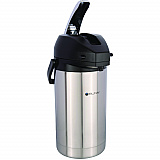
1-2 Day Delivery
$78.07 $114.29
Choose Your Frequency:
Volume Pricing
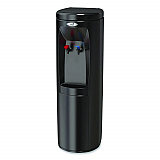
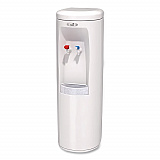
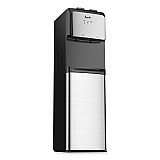
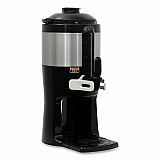
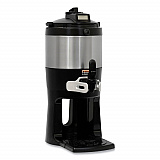
Beverage equipment that keeps service moving
Beverage stations fail in predictable ways: slow recovery, inconsistent temperature, messy dispensing, and hard-to-clean components. This category is built for operators and buyers who need dependable performance, straightforward maintenance, and fast fulfillment. With over 100 SKUs and brands like BUNN, Avanti, Oasis, SCT, Coffee Pro, and ergodyne, you can standardize a single location or roll out multiple sites with consistent specs.
Whether you are outfitting a cafe line, breakroom, concession stand, or healthcare waiting area, prioritize equipment that matches your volume, utility hookups, and cleaning routine. Buying in bulk can also reduce per-unit freight and simplify replacement parts planning.
What you will find in commercial beverage equipment
Dispensing and self-serve solutions
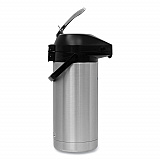
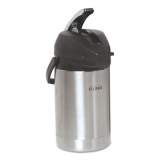
For front-of-house speed and portion control, focus on capacity, valve type, and drip management. If you need a narrow subset for high-traffic self-serve or back-of-house batching, start with Beverage Dispensers to compare tank size, spigot style, and cleaning access. Look for smooth-flow valves, stable bases, and components that disassemble without special tools to reduce downtime.
Water access and hydration stations
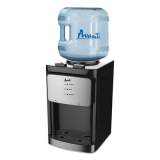
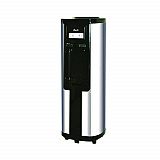
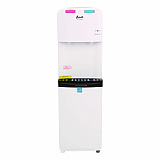
Water service is often a compliance and satisfaction issue, not just a convenience. If your priority is chilled water for staff areas, classrooms, or patient-facing spaces, use Water Coolers to narrow by cooling method, reservoir capacity, and placement (countertop vs freestanding). For multi-site purchasing, standardizing on a few models makes filter and maintenance schedules easier to manage.
Temperature control, storage, and supporting gear
Beverage programs rarely live in isolation. If you are staging cold drinks, ice, or ingredients nearby, pair your beverage setup with Refrigeration to keep product within safe holding ranges and reduce restocking trips. For hot holding of coffee service items or grab-and-go, Food Warming Equipment can help keep cups, pastries, or add-ons ready during rush periods.
How to choose the right equipment (specs buyers actually compare)
Capacity and recovery rate
Match capacity to peak demand, not average demand. For dispensers and coolers, check usable volume and how quickly the unit returns to target temperature after repeated draws. Under-sizing is the most common cause of slow lines and lukewarm product.
Footprint, placement, and workflow
Measure the real install space: width, depth, height, door swing, and clearance for refilling and cleaning. If your beverage station doubles as a prep zone, consider adjacent work surfaces from Prep Tables & Stations to keep condiments, cups, and supplies organized without blocking traffic.
Utilities and installation requirements
Confirm electrical requirements (voltage, amperage), and whether the unit needs a dedicated circuit. For plumbed equipment, verify inlet size, water pressure range, and whether filtration is required. If you are unsure, customer support can help validate compatibility before you place a bulk order.
Materials, cleaning access, and food-contact safety
Prioritize corrosion-resistant materials and smooth, cleanable surfaces. Removable drip trays, accessible reservoirs, and easy-to-sanitize valves reduce labor and help maintain consistent taste. For operations with strict cleaning logs, choose designs that allow quick disassembly and reassembly without damaging seals.
Durability and parts planning
In commercial settings, the cost of downtime often exceeds the cost of the unit. Consider models with readily available wear parts (seals, valves, fittings) and simple serviceability. If you manage multiple locations, ordering a small buffer of common replacement components can prevent emergency freight later.
Buying for restaurants, offices, schools, and healthcare
Different environments have different priorities. Restaurants and concessions need speed, spill control, and easy refills. Offices and schools often prioritize safe access, stable temperature, and low-maintenance operation. Healthcare and patient-facing areas typically require reliable sanitation routines and consistent water temperature. If you need mobile beverage service for events or flexible layouts, add Service Carts to move supplies and reduce back-and-forth trips.
Why buyers stock up here
When you are replacing aging equipment or opening new locations, lead time matters. This assortment is built for fast purchasing decisions: clear specs, practical options, and knowledgeable support. With low prices, 1-2 day shipping on many items, and an assortment deep enough for standardization, you can place a single order that covers primary equipment plus the supporting pieces that keep service consistent.
If you are building a full beverage station, consider bundling complementary items from Small Appliances to reduce separate shipments and keep your setup consistent across sites.
Beverage Equipment FAQ
Can I save money by ordering beverage equipment in bulk?
Yes. Bulk purchasing can lower per-unit freight, help standardize models across locations, and simplify parts stocking and staff training. It also reduces the risk of downtime when you need a quick replacement.
Do I need a plumbed unit or a manual-fill unit?
Plumbed units reduce refill labor and support higher volume, but require compatible water lines and sometimes filtration. Manual-fill models are simpler to place and relocate, but need a reliable refill routine to avoid running out during rush periods.
How do I choose the right capacity for a beverage dispenser or water cooler?
Size for peak demand and recovery, not average usage. Compare usable volume, expected servings per hour, and how quickly the unit returns to target temperature after repeated draws.
What should I check before ordering to avoid returns or install delays?
Verify dimensions and clearance, electrical specs (voltage/amperage), and any plumbing requirements (inlet size and pressure range). Also confirm cleaning access and whether replacement parts are readily available for your maintenance plan.
What types of commercial beverage equipment should I buy for a new beverage station?
Start with the core need (dispensing or chilled water), then confirm capacity, footprint, and utility requirements. Most buyers also plan for workflow items like drip control, easy-clean components, and nearby cold storage if you are serving bottled or prepared drinks.