
Reusable Gloves

Filters Clear All
Price
ANSI Abrasion Resistance
ANSI Cut Resistance
ANSI Puncture Resistance
Anti-Vibration
Color Family
Color(s)
Glove Shell
Glove Style
Length
Material(s)
Powdering
Size Group
Size Type
Style
Thickness
Wrist Style
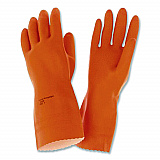
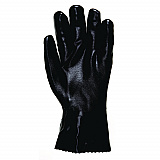
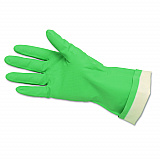
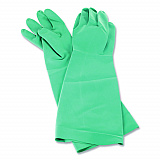
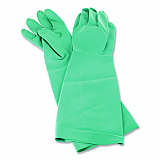
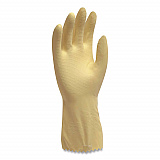
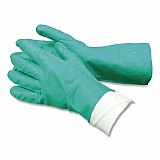


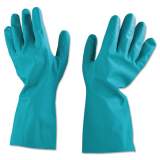
Reusable gloves for repeat-use protection
Reusable gloves are a practical choice when you need dependable hand protection across multiple shifts or tasks. They are commonly used in foodservice back-of-house, janitorial programs, maintenance, light industrial work, and general facility operations where durability and value matter. With 100+ SKUs, low pricing, and 1-2 day shipping on many items, its easy to standardize gloves across teams and keep spares on hand.
Brands like MCR Safety, San Jamar, AMBITEX, and Ansell are built for real-world wear, with options that prioritize grip, chemical resistance, cut resistance, and comfort. If your workflow is high-turnover or you need fast changeouts between tasks, consider Disposable Gloves as an alternative for single-use hygiene and quick swaps.
How to choose the right reusable gloves
Match glove material to the job
Material selection drives performance. Start with the hazards and the environment, then narrow by comfort and dexterity.
- Nitrile (reusable): Strong puncture resistance and good chemical resistance for many cleaners and degreasers. Often a go-to for maintenance and janitorial tasks.
- Latex (reusable): Excellent elasticity and tactile feel. Verify allergy policies before standardizing.
- Neoprene: Useful for a range of chemicals and repeated exposure to water and detergents.
- PVC/vinyl blends: Common for wet work and general purpose protection where cost control is key.
- Leather and coated fabric: Better for abrasion, handling, and general work where chemical splash is not the primary concern.
Consider grip, lining, and cuff length
Small spec choices can reduce fatigue and improve compliance.
- Grip: Textured palms and fingers help in wet or oily handling.
- Lining: Flocked or insulated linings improve comfort for longer wear and reduce sweat buildup.
- Cuff style: Longer cuffs add forearm coverage for splash-prone tasks; shorter cuffs can improve mobility for detail work.
Size and fit for better productivity
Gloves that are too tight tear faster and reduce circulation; gloves that are too loose reduce dexterity and increase snag risk. Stock multiple sizes and set a simple reorder point so teams are not forced into the wrong fit. Bulk purchasing by size mix typically lowers per-use cost and prevents downtime.
Common use cases and what to prioritize
Janitorial and facility maintenance
Prioritize chemical resistance, cuff length, and grip. For repeated exposure to cleaners and disinfectants, choose materials designed for wet work and frequent rinsing. Keep extra pairs staged by task area to reduce cross-contamination and improve turnaround.
Foodservice and kitchen operations
Focus on comfort, dexterity, and easy cleaning. Reusable gloves are often used for dishroom tasks, handling wet equipment, and general back-of-house work. If your process requires frequent glove changes for hygiene or allergen controls, Disposable Gloves can be a better operational fit for prep lines and quick changeovers.
Industrial and general work
Look for abrasion resistance, reinforced areas, and reliable grip. For environments with sharp edges or rough handling, consider heavier-duty constructions and coatings designed to hold up over repeated use.
Care, reuse, and replacement guidance
Cleaning and storage basics
Rinse and clean according to the product guidance and your facility SOPs. Allow gloves to dry fully before storage to reduce odor and material breakdown. Avoid storing near heat sources or direct sunlight, which can shorten service life.
When to replace reusable gloves
Replace gloves when you see cracking, swelling, loss of elasticity, thinning, or persistent odor that cleaning does not resolve. Any puncture, tear, or compromised seam is a replacement trigger. Keeping a small buffer inventory supports compliance and prevents unsafe reuse.
Why buy reusable gloves here
Built for bulk ordering and fast replenishment
Reusable gloves are often a recurring purchase for multi-site operations. Ordering in case quantities helps stabilize pricing, reduces freight events, and keeps teams supplied. With low prices, 1-2 day shipping on many items, and knowledgeable support, you can standardize specs, reduce substitutions, and reorder with confidence.
Get the spec right the first time
If you are balancing durability, comfort, and compliance requirements, our team can help you narrow options by task, exposure type, and wear time. That means fewer returns, fewer glove failures, and a smoother purchasing process.
Reusable Gloves FAQ
Are reusable gloves better than disposable gloves for my operation?
Reusable gloves are ideal when durability and repeat use reduce cost per wear, especially for wet work, janitorial tasks, and maintenance. If you need frequent changeouts for hygiene, allergen controls, or high-turnover tasks, Disposable Gloves may be a better fit.
Can I order reusable gloves in bulk for multiple locations?
Yes. Bulk ordering by size mix and standard specs helps control costs, reduces emergency reorders, and simplifies procurement. Many items ship in 1-2 days, and support is available to help you standardize across sites.
Do reusable gloves come in different cuff lengths and linings?
Yes. Longer cuffs add splash coverage, while shorter cuffs improve mobility. Lined or flocked interiors can improve comfort for extended wear and reduce sweat buildup, which can increase user compliance.
How do I choose the right reusable glove material?
Start with the exposure: cleaners and degreasers often pair well with reusable nitrile or neoprene, while wet general-purpose work may use PVC/vinyl blends. For abrasion-heavy handling, consider leather or coated fabric styles. Always confirm compatibility with the specific chemicals used on site.
How long do reusable gloves last?
Service life depends on task intensity, chemical exposure, and cleaning practices. Replace gloves when you see cracking, swelling, thinning, loss of elasticity, or any puncture/tear. Keeping spare inventory on hand helps prevent unsafe overuse.