
Disposable Gloves

Filters Clear All
Brands
Price
Ambidextrous
Chlorinated
Color Family
Color(s)
Description
ESD Safe
Glove Material
Glove Style
Length
Material(s)
Packaged Sterile
Powdering
Size Group
Size Type
Style
Thickness
Wrist Style

1-2 Day Delivery
$5.15 $8.42
Box of 100($0.05/Each)
Choose Your Frequency:
Volume Pricing
1-2 Day Delivery
$5.15 $8.42
Box of 100($0.05/Each)
Choose Your Frequency:
Volume Pricing
1-2 Day Delivery
$50.96 $84.20
Case of 1000($0.05/Each)
Choose Your Frequency:
Volume Pricing
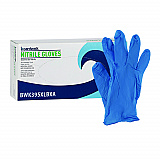
1-2 Day Delivery
$5.15 $8.42
Box of 100($0.05/Each)
Choose Your Frequency:
Volume Pricing
1-2 Day Delivery
$50.96 $84.20
Case of 1000($0.05/Each)
Choose Your Frequency:
Volume Pricing
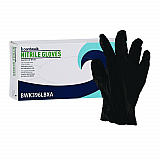
1-2 Day Delivery
$5.15 $8.42
Box of 100($0.05/Each)
Choose Your Frequency:
Volume Pricing
1-2 Day Delivery
$50.96 $84.20
Case of 1000($0.05/Each)
Choose Your Frequency:
Volume Pricing
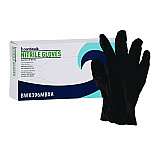
1-2 Day Delivery
$5.15 $8.42
Box of 100($0.05/Each)
Choose Your Frequency:
Volume Pricing
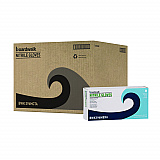
1-2 Day Delivery
$50.96 $84.20
Case of 1000($0.05/Each)
Choose Your Frequency:
Volume Pricing
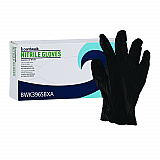
1-2 Day Delivery
$5.15 $8.42
Box of 100($0.05/Each)
Choose Your Frequency:
Volume Pricing
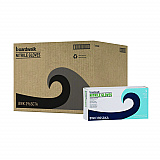
1-2 Day Delivery
$50.96 $84.20
Case of 1000($0.05/Each)
Choose Your Frequency:
Volume Pricing
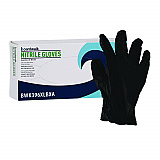
1-2 Day Delivery
$5.15 $8.42
Box of 100($0.05/Each)
Choose Your Frequency:
Volume Pricing
1-2 Day Delivery
$50.96 $84.20
Case of 1000($0.05/Each)
Choose Your Frequency:
Volume Pricing
1-2 Day Delivery
$22.07 $27.43
Box of 100($0.22/Each)
Choose Your Frequency:
Volume Pricing
1-2 Day Delivery
$22.07 $27.43
Box of 100($0.22/Each)
Choose Your Frequency:
Volume Pricing
1-2 Day Delivery
$159.50 This item is listed at the minimum advertised price.
Case of 1000
Choose Your Frequency:
Volume Pricing
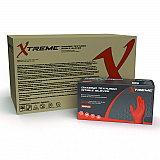
1-2 Day Delivery
$159.50 This item is listed at the minimum advertised price.
Case of 1000
Choose Your Frequency:
Volume Pricing
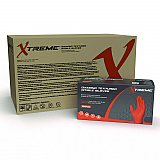
1-2 Day Delivery
$159.50 This item is listed at the minimum advertised price.
Case of 1000
Choose Your Frequency:
Volume Pricing
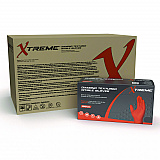
1-2 Day Delivery
$159.50 This item is listed at the minimum advertised price.
Case of 1000
Choose Your Frequency:
Volume Pricing
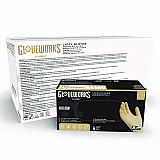
1-2 Day Delivery
$129.76 $183.58
Case of 1000($0.13/Each)
Choose Your Frequency:
Volume Pricing
1-2 Day Delivery
$129.76 $183.58
Case of 1000($0.13/Each)
Choose Your Frequency:
Volume Pricing
1-2 Day Delivery
$129.76 $183.58
Case of 1000($0.13/Each)
Choose Your Frequency:
Volume Pricing
1-2 Day Delivery
$129.76 $183.58
Case of 1000($0.13/Each)
Choose Your Frequency:
Volume Pricing
1-2 Day Delivery
$34.31 $44.17
Box of 100($34.31/Pack)
Choose Your Frequency:
Volume Pricing
1-2 Day Delivery
$34.31 $44.17
Box of 100($34.31/Pack)
Choose Your Frequency:
Volume Pricing
1-2 Day Delivery
$339.65 $441.70
Case of 1000($0.34/Each)
Choose Your Frequency:
Volume Pricing
1-2 Day Delivery
$34.31 $44.17
Box of 90($34.31/Pack)
Choose Your Frequency:
Volume Pricing
1-2 Day Delivery
$272.22 $441.70
Case of 900($0.30/Each)
Choose Your Frequency:
Volume Pricing
1-2 Day Delivery
$24.08 $35.41
Box of 100($24.08/Pack)
Choose Your Frequency:
Volume Pricing
1-2 Day Delivery
$204.78 $354.10
Case of 1000($0.20/Each)
Choose Your Frequency:
Volume Pricing

1-2 Day Delivery
$24.08 $35.41
Box of 100($24.08/Pack)
Choose Your Frequency:
Volume Pricing
1-2 Day Delivery
$240.84 $354.10
Case of 1000($0.24/Each)
Choose Your Frequency:
Volume Pricing
1-2 Day Delivery
$24.08 $35.41
Box of 100($24.08/Pack)
Choose Your Frequency:
Volume Pricing
1-2 Day Delivery
$204.78 $354.10
Case of 1000($0.20/Each)
Choose Your Frequency:
Volume Pricing
1-2 Day Delivery
$20.48 $35.41
Box of 100($20.48/Pack)
Choose Your Frequency:
Volume Pricing
1-2 Day Delivery
$204.78 $354.10
Case of 1000($0.20/Each)
Choose Your Frequency:
Volume Pricing
Disposable gloves for fast-moving operations
Disposable gloves are a frontline supply for hygiene, cross-contamination control, and task-specific protection. Whether you are managing a restaurant prep line, a janitorial route, a school nurse office, or a healthcare back room, the right glove reduces risk and keeps work moving. Zoolie carries 100+ SKUs with price-advantaged bulk options and 1-2 day shipping on many items.
Procurement teams typically balance three things: barrier protection, dexterity, and cost per use. This category is built to make that decision easier with clear sizing, material choices, and use-case guidance.
Choose the right disposable glove material
Nitrile disposable gloves
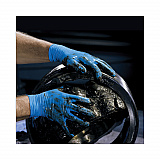
Nitrile is a go-to for durability and puncture resistance, especially for cleaning chemicals, automotive tasks, and general industrial use. Many buyers prefer nitrile for latex-free policies and consistent fit. Look for textured fingertips for grip and thicker mil options when abrasion resistance matters.
Latex disposable gloves
Latex offers excellent stretch and tactile sensitivity, which can be helpful for detailed work. If you operate under latex-allergy restrictions, confirm your site policy before ordering. For mixed environments, many teams standardize on nitrile to simplify compliance.
Vinyl disposable gloves
Vinyl is often selected for light-duty, short-duration tasks and frequent glove changes, such as food handling or front-of-house service. It can be a cost-effective option when chemical resistance and puncture strength are not primary requirements.
Key specs buyers compare (and why they matter)
Powder-free vs powdered
Powder-free gloves are common in foodservice and many regulated environments because they reduce residue and potential contamination. If you are supplying multiple departments, powder-free is usually the safest standardization choice.
Thickness (mil) and durability
Thicker gloves generally last longer and resist tears, but may reduce dexterity and increase cost per glove. Match thickness to the task: lighter for frequent changes, heavier for chemical handling or extended wear.
Texture and grip
Textured fingertips or fully textured palms improve handling of wet items, tools, and packaging. This is a practical upgrade for kitchens, sanitation crews, and maintenance teams.
Cuff length and coverage
Standard cuffs work for most tasks. Longer cuffs can add splash protection for cleaning and lab-style workflows. If you need extra coverage, consider sizing up carefully to avoid loose fingertips.
Sizing and fit
Correct sizing reduces hand fatigue and lowers tear rates. Keep multiple sizes on hand for shared workstations. Bulk purchasing by size also helps prevent downtime when one size runs out.
Use-case guidance by industry
Foodservice and hospitality
Prioritize frequent-change comfort, reliable sizing, and grip for prep and service. Vinyl or nitrile are common choices depending on your durability needs and allergen policies. Always align glove selection with your local health department requirements and your internal food safety plan.
Janitorial and sanitation
For disinfectants and cleaning agents, nitrile is often preferred for better chemical resistance and puncture protection. Consider thicker options for longer tasks and textured grip for wet environments.
Healthcare and clinical settings
Choose gloves that support your facility protocols for barrier protection, comfort, and change frequency. Confirm any exam-grade or regulatory requirements your organization follows before standardizing a SKU.
Industrial, maintenance, and light manufacturing
Durability and tear resistance matter most. Nitrile with higher mil thickness and strong grip can reduce glove consumption and improve productivity on repetitive tasks.
Brands and assortment built for procurement
Shop trusted lines such as Boardwalk, GloveWorks by AMMEX, KleenGuard, X3 by AMMEX, AMBITEX, Kimtech, SemperGuard, Safety Zone, Xtreme by AMMEX, and GEN. With a wide assortment, you can standardize across departments or qualify multiple options to protect supply continuity.
How to buy disposable gloves smarter
Order in bulk to reduce cost per use
Gloves are a high-consumption item. Buying by the case helps stabilize inventory, lowers reorder frequency, and typically improves unit economics. If you manage multiple locations, case quantities also simplify distribution and forecasting.
Plan for lead times and freight
Gloves are lightweight but high-volume. Consolidating orders can reduce freight cost per unit and help you hit free-shipping thresholds when available. If you need help optimizing a cart for delivery timing, our support team can recommend equivalents and case-pack strategies.
When disposable is not the best fit
For tasks that require extended wear, higher cut resistance, or repeated use, consider Reusable Gloves as an alternative. Many facilities keep both on hand: disposable for hygiene-critical work and reusable for heavier-duty protection.
Why buy disposable gloves from Zoolie
You get price-advantaged bulk options, 1-2 day shipping on many items, and a deep selection of over 100 SKUs so you can match the glove to the job instead of forcing a one-size-fits-all choice. If you are comparing materials, thickness, or sizing across departments, our knowledgeable customer support can help you narrow to the right spec quickly.
Disposable Gloves FAQ
Are powder-free disposable gloves better for foodservice?
Often yes. Powder-free reduces residue and potential contamination, and it is widely used in food handling and many regulated environments. Always follow your local requirements and internal policies.
How do I choose the right glove size for a shared workplace?
Stock multiple sizes and standardize by department or station. Proper fit reduces tearing and hand fatigue, which lowers overall glove consumption and keeps teams productive.
Should I buy disposable gloves by the box or by the case?
Case quantities typically lower cost per glove and reduce reorder frequency. Bulk buying also helps maintain consistent inventory across shifts and locations.
What thickness (mil) should I buy for disposable gloves?
Use lighter mil for short tasks and frequent glove changes, and thicker mil for longer wear, higher tear risk, or chemical handling. Matching thickness to the job helps control cost per use.
Which disposable glove material is best for my application?
Nitrile is a strong all-around choice for durability and many cleaning chemicals. Vinyl is common for light-duty, frequent-change tasks like food handling. Latex offers excellent stretch and touch sensitivity but may not fit latex-free policies.