
Safety Mats

Filters Clear All
Price
Application
Color Family
Compatible Surface
Length
Mat Shape
Mat Style
Mat Type
Material(s)
Style
Width

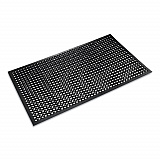
1-2 Day Delivery
$81.53 $144.38
Choose Your Frequency:
Volume Pricing
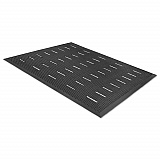
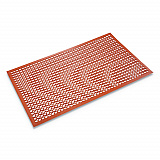
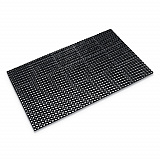
Safety mats built for busy kitchens and high-traffic work areas
Wet floors, grease, and constant foot traffic create real slip-and-fall exposure in commercial kitchens. Safety mats help control that risk while improving standing comfort for staff on long shifts. Stocking the right mats also supports cleaner workflows by keeping key stations safer and more stable.
With over 100 SKUs, you can match mat type, size, and surface to your environment, from prep lines to dish rooms and service corridors. For heat-handling tasks at the line, pair floor protection with Oven Mitts & Pan Grabbers to support safer handling end-to-end.
Where safety mats make the biggest impact
Most facilities see the fastest payoff when mats are placed where moisture and quick turns are unavoidable:
- Sink and dish areas where water and detergents track onto floors
- Cook lines where grease and spills are common
- Prep stations where staff stand in place for long periods
- Entry points and transitions where footwear brings in moisture
- Walkways near ice machines, beverage stations, and mop sinks
For multi-location operators, standardizing mat specs by station helps simplify reorders and keeps safety expectations consistent across sites.
How to choose the right safety mat
Commercial buyers typically balance three factors: slip resistance, drainage, and cleanability. The right combination depends on your floor type, how often the area gets wet, and how frequently the mat will be lifted for cleaning.
Surface and traction
Look for aggressive tread patterns or textured surfaces designed to maintain grip when floors are damp. In kitchens, traction matters as much as durability because staff are moving quickly while carrying loads. If you are replacing older mats, compare the tread depth and edge condition - curled edges and worn patterns are common causes of trips.
Drainage and airflow
In wet zones, open-hole or channel designs can help liquids move away from the standing surface. That reduces pooling underfoot and can improve stability at sinks and dish stations. In drier areas, solid-top anti-fatigue styles may be a better fit for comfort and easier wipe-down.
Thickness, comfort, and fatigue reduction
Anti-fatigue performance is not just about thickness. A mat needs enough resilience to support micro-movements without feeling unstable. For long standing tasks, prioritize mats designed for ergonomic support and recovery, especially at prep lines and cashier or expo stations.
Edges and trip prevention
Beveled edges help reduce trip hazards and make carts easier to roll over. If your operation uses dollies, speed racks, or ingredient carts, edge profile is a practical buying criterion, not a nice-to-have.
Cleaning and maintenance
Plan for how your team will actually clean the mats. If mats are too heavy or awkward, they tend to stay down, which can trap moisture and soils. Choose styles that can be lifted and rinsed on your schedule, and confirm they tolerate your cleaning chemicals and water temperature.
Commercial buying considerations that affect total cost
Price matters, but replacement cycles and labor time often drive the real cost. Buying the right spec upfront can reduce downtime and keep safety programs consistent.
Right-sizing and coverage planning
Measure each station and map coverage. A mat that is too small will not protect the full work zone; too large can interfere with doors, equipment clearance, or cleaning routines. For recurring needs, standard sizes across locations can streamline purchasing and reduce SKU sprawl.
Bulk ordering for consistency
If you are outfitting a new kitchen, expanding, or refreshing multiple stations, bulk ordering helps keep tread, thickness, and edge profiles consistent. It also reduces the risk of mismatched replacements that create uneven walking surfaces.
Brand and support
We stock trusted options from Crown Mats and Guardian, with knowledgeable customer support to help confirm fit, placement, and use-case alignment. When you need a quick turnaround, 1-2 day shipping helps you restore coverage fast and keep operations moving.
Why buy safety mats here
- Low pricing designed for commercial and bulk purchasing
- Over 100 SKUs to match wet areas, dry zones, and high-traffic layouts
- 1-2 day shipping on many items to reduce downtime
- Support from a team that understands commercial kitchen workflows
If you are unsure which mat style fits a specific station, share your floor type, exposure (water, grease, dry), and approximate dimensions. We will help narrow options so you can order with confidence.
Safety Mats FAQ
Can I order safety mats in bulk for multiple locations?
Yes. Bulk ordering helps keep mat specs consistent across sites and reduces mismatched replacements. It can also improve purchasing efficiency when outfitting new kitchens or refreshing multiple stations.
Do safety mats help with employee fatigue during long shifts?
Yes. Anti-fatigue safety mats are designed to provide ergonomic support for standing tasks, helping reduce leg and back strain at prep lines, cashier stations, and other fixed work areas.
How do I choose the right size safety mat for a workstation?
Measure the area where staff stand and move most often, then select a mat that covers that footprint without blocking doors or equipment clearance. Standardizing sizes by station can simplify reorders.
How should commercial safety mats be cleaned?
Lift and clean mats on a regular schedule based on soil and moisture levels. Choose mats that can be rinsed and that tolerate your cleaning chemicals, and ensure floors under mats are cleaned to prevent buildup.
Which safety mats work best for wet kitchen areas?
For sinks, dish rooms, and other wet zones, choose safety mats designed for drainage and traction so water moves away from the standing surface. Prioritize stable footing and edges that reduce trip risk.