
Protective Gloves

Categories
Filters Clear All
Brands
Price
Ambidextrous
ANSI Abrasion Resistance
ANSI Cut Resistance
ANSI Puncture Resistance
Anti-Vibration
Chlorinated
Color Family
Color(s)
Description
ESD Safe
Glove Material
Glove Shell
Glove Style
Length
Material(s)
Packaged Sterile
Powdering
Size Group
Size Type
Style
Thickness
Wrist Style

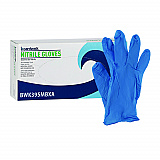
1-2 Day Delivery
$5.15 $8.42
Box of 100($0.05/Each)
Choose Your Frequency:
Volume Pricing
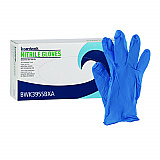
1-2 Day Delivery
$5.15 $8.42
Box of 100($0.05/Each)
Choose Your Frequency:
Volume Pricing
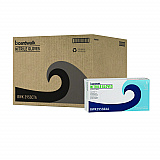
1-2 Day Delivery
$50.96 $84.20
Case of 1000($0.05/Each)
Choose Your Frequency:
Volume Pricing
1-2 Day Delivery
$5.15 $8.42
Box of 100($0.05/Each)
Choose Your Frequency:
Volume Pricing
1-2 Day Delivery
$50.96 $84.20
Case of 1000($0.05/Each)
Choose Your Frequency:
Volume Pricing
1-2 Day Delivery
$5.15 $8.42
Box of 100($0.05/Each)
Choose Your Frequency:
Volume Pricing
1-2 Day Delivery
$50.96 $84.20
Case of 1000($0.05/Each)
Choose Your Frequency:
Volume Pricing
1-2 Day Delivery
$5.15 $8.42
Box of 100($0.05/Each)
Choose Your Frequency:
Volume Pricing
1-2 Day Delivery
$50.96 $84.20
Case of 1000($0.05/Each)
Choose Your Frequency:
Volume Pricing
1-2 Day Delivery
$5.15 $8.42
Box of 100($0.05/Each)
Choose Your Frequency:
Volume Pricing
1-2 Day Delivery
$50.96 $84.20
Case of 1000($0.05/Each)
Choose Your Frequency:
Volume Pricing
1-2 Day Delivery
$5.15 $8.42
Box of 100($0.05/Each)
Choose Your Frequency:
Volume Pricing
1-2 Day Delivery
$50.96 $84.20
Case of 1000($0.05/Each)
Choose Your Frequency:
Volume Pricing
1-2 Day Delivery
$22.07 $27.43
Box of 100($0.22/Each)
Choose Your Frequency:
Volume Pricing
1-2 Day Delivery
$22.07 $27.43
Box of 100($0.22/Each)
Choose Your Frequency:
Volume Pricing
1-2 Day Delivery
$159.50 This item is listed at the minimum advertised price.
Case of 1000
Choose Your Frequency:
Volume Pricing
1-2 Day Delivery
$159.50 This item is listed at the minimum advertised price.
Case of 1000
Choose Your Frequency:
Volume Pricing
1-2 Day Delivery
$159.50 This item is listed at the minimum advertised price.
Case of 1000
Choose Your Frequency:
Volume Pricing
1-2 Day Delivery
$159.50 This item is listed at the minimum advertised price.
Case of 1000
Choose Your Frequency:
Volume Pricing
1-2 Day Delivery
$129.76 $183.58
Case of 1000($0.13/Each)
Choose Your Frequency:
Volume Pricing
1-2 Day Delivery
$129.76 $183.58
Case of 1000($0.13/Each)
Choose Your Frequency:
Volume Pricing
1-2 Day Delivery
$129.76 $183.58
Case of 1000($0.13/Each)
Choose Your Frequency:
Volume Pricing
1-2 Day Delivery
$129.76 $183.58
Case of 1000($0.13/Each)
Choose Your Frequency:
Volume Pricing
1-2 Day Delivery
$34.31 $44.17
Box of 100($34.31/Pack)
Choose Your Frequency:
Volume Pricing
1-2 Day Delivery
$34.31 $44.17
Box of 100($34.31/Pack)
Choose Your Frequency:
Volume Pricing
1-2 Day Delivery
$339.65 $441.70
Case of 1000($0.34/Each)
Choose Your Frequency:
Volume Pricing
1-2 Day Delivery
$34.31 $44.17
Box of 90($34.31/Pack)
Choose Your Frequency:
Volume Pricing
1-2 Day Delivery
$272.22 $441.70
Case of 900($0.30/Each)
Choose Your Frequency:
Volume Pricing
1-2 Day Delivery
$24.08 $35.41
Box of 100($24.08/Pack)
Choose Your Frequency:
Volume Pricing
1-2 Day Delivery
$204.78 $354.10
Case of 1000($0.20/Each)
Choose Your Frequency:
Volume Pricing

1-2 Day Delivery
$24.08 $35.41
Box of 100($24.08/Pack)
Choose Your Frequency:
Volume Pricing
1-2 Day Delivery
$240.84 $354.10
Case of 1000($0.24/Each)
Choose Your Frequency:
Volume Pricing
1-2 Day Delivery
$24.08 $35.41
Box of 100($24.08/Pack)
Choose Your Frequency:
Volume Pricing
1-2 Day Delivery
$204.78 $354.10
Case of 1000($0.20/Each)
Choose Your Frequency:
Volume Pricing
1-2 Day Delivery
$20.48 $35.41
Box of 100($20.48/Pack)
Choose Your Frequency:
Volume Pricing
1-2 Day Delivery
$204.78 $354.10
Case of 1000($0.20/Each)
Choose Your Frequency:
Volume Pricing
Protective gloves for food safety and daily operations
Protective gloves are a frontline control for hygiene, allergen awareness, and employee safety. The right glove helps you maintain sanitary handling while improving grip, comfort, and productivity during prep, service, and cleanup. With 100+ SKUs available, you can match glove material, thickness, and cuff length to the job instead of settling for a one-size-fits-all option.
For teams that reorder often, buying in case quantities helps stabilize costs and keeps every station stocked. If you need help narrowing down specs, our customer support can walk through sizing, compliance needs, and best-fit use cases.
How to choose the right protective glove
Material: nitrile vs latex vs vinyl
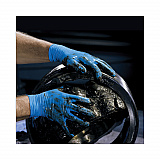
Nitrile is a go-to for many kitchens and facilities because it offers strong puncture resistance and chemical resistance without latex proteins. It is a solid choice for greasy foods, cleaning chemicals, and frequent glove changes.
Latex typically provides excellent stretch and tactile sensitivity. It can be a strong option for precision tasks, but many workplaces avoid it due to latex allergy concerns and policy restrictions.
Vinyl is often selected for short-duration, low-risk tasks where frequent changes are expected. It can be cost-effective for light food handling, but it is generally less durable than nitrile or latex.
Powder-free, thickness, and texture
Powder-free gloves are commonly preferred for food environments to reduce residue and potential contamination. Thickness is usually a tradeoff: thinner gloves improve dexterity and reduce fatigue, while thicker gloves improve durability and barrier performance. Textured fingertips or fully textured patterns can improve grip on wet packaging, produce, and utensils.
Sizing and cuff length
Correct sizing reduces tearing and improves comfort during long shifts. Too small can split at the cuff or fingertips; too large can reduce control and slow down work. Standard cuffs work well for most prep tasks, while longer cuffs can add coverage for dish areas, janitorial work, or splash-prone processes.
Use cases: match gloves to the task
Food prep and service
For high-change environments like sandwich lines, deli counters, and catering, prioritize easy donning, consistent sizing, and reliable grip. Color options can also support task separation (for example, separating raw protein handling from ready-to-eat prep) when aligned with your internal SOPs.
Cleaning and chemical handling
When degreasers, sanitizers, or detergents are involved, look for stronger chemical resistance and a more durable build. Always verify chemical compatibility and follow your facility safety program for exposure limits and change-out frequency.
Light industrial and back-of-house safety
For receiving, maintenance, and tasks involving abrasion risk, consider more rugged options designed for durability and protection. If you need a glove built for repeated use and tougher handling, start with Reusable Gloves to narrow into heavier-duty specifications.
Disposable vs reusable: buying decisions that affect cost and compliance
Many food operations rely on Disposable Gloves for fast changeovers and hygiene control. They are ideal for high-volume prep where glove changes are frequent and traceability is simpler.
For tasks where durability matters more than rapid change-outs, Reusable Gloves can reduce waste and improve protection - especially in dish areas, janitorial closets, and maintenance workflows. Choosing the right type for each station can lower total glove spend without compromising standards.
Compliance and quality checks buyers should confirm
Food contact and facility requirements
Confirm the glove is suitable for your intended food handling process and aligns with your local health department expectations and internal HACCP-style controls. Many operations standardize on powder-free gloves and document where gloves are required, when to change them, and how to avoid cross-contamination.
Allergen and sensitivity considerations
If you serve the public or operate in healthcare-adjacent settings, latex restrictions may apply. Nitrile is often selected to reduce allergy risk while maintaining strong barrier performance.
Consistency across locations
Multi-site operators benefit from standardizing glove specs (material, thickness, texture, and size range) to reduce training friction and prevent substitutions that can cause tearing, waste, or complaints from staff.
Build a complete food safety program around gloves
Gloves work best as part of a broader PPE and hygiene setup. If you are updating your full kit, pair this category with Food Safety Gear for complementary protection items used across prep and sanitation zones. For uniforms and front-of-house consistency, Foodservice Apparel supports a cleaner, more professional operation while reinforcing your safety standards.
Why buy protective gloves here
Bulk pricing, fast replenishment, and selection
Glove usage is predictable, so procurement should be simple. Get low prices, 1-2 day shipping on many items, and an assortment deep enough to fit different stations and roles. Ordering by the case helps reduce stockouts, smooth reordering, and improve per-unit cost - especially for high-turn items like nitrile and vinyl disposables.
Brands and support you can count on
Choose from trusted brands such as Boardwalk, GloveWorks by AMMEX, KleenGuard, X3 by AMMEX, AMBITEX, Kimtech, SemperGuard, MCR Safety, Safety Zone, and Xtreme by AMMEX. If you are comparing materials, sizing, or durability, our knowledgeable support team can help you select the best option for your workflow and budget.
Protective Gloves FAQ
Are powder-free gloves required for food service?
Many food operations prefer powder-free gloves to reduce residue and contamination risk. Always follow your facility SOPs and local health department expectations for glove selection and use.
How do I choose the right glove size for my team?
Select sizes that fit snugly without stretching at the fingertips or cuff. Too-small gloves tear more easily, and too-large gloves reduce control. Stock multiple sizes so employees can choose the best fit per shift.
Should I buy disposable or reusable gloves for my operation?
Use disposable gloves for high-change food prep and service where frequent glove changes support hygiene controls. Use reusable gloves for tougher, longer tasks like dishwashing, janitorial work, or maintenance where durability and extended coverage matter.
What thickness should I choose for protective gloves?
Thinner gloves improve dexterity and comfort for fast prep work, while thicker gloves improve durability and barrier protection for heavier tasks. Match thickness to the station and expected wear to reduce tearing and waste.
Which protective glove material is best for food handling?
Nitrile is a common choice for food handling because it offers strong puncture resistance and good performance with oils and many cleaners. Vinyl can work for short, low-risk tasks, while latex offers high dexterity but may be restricted due to allergy policies.