
Floor Strippers

Filters Clear All
Price
Applicable Material
Application
Chemical Compound
Dirt Types
Packing Type
Physical Form
Product Packaging
Scent
Volume Capacity


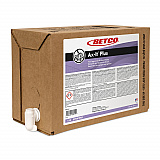
Scheduled Freight Delivery
$134.69 $140.81
Choose Your Frequency:
Volume Pricing
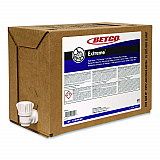
Scheduled Freight Delivery
$167.63 Great news! The price of this item drops at checkout, but we can't show it here due to manufacturer restrictions. Add it to your cart to see your exclusive deal!
Choose Your Frequency:
Volume Pricing
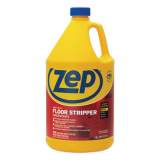
1-2 Day Delivery
$64.32 $107.96
Choose Your Frequency:
Volume Pricing
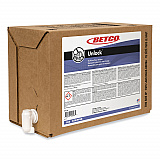
Scheduled Freight Delivery
$151.35 Great news! The price of this item drops at checkout, but we can't show it here due to manufacturer restrictions. Add it to your cart to see your exclusive deal!
Choose Your Frequency:
Volume Pricing
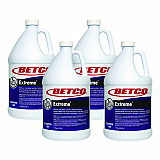
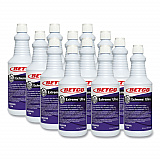
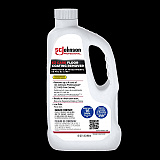
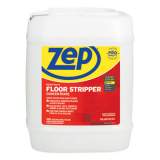
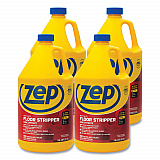
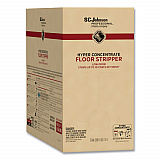
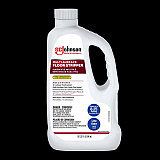
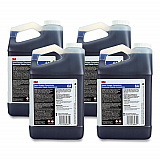
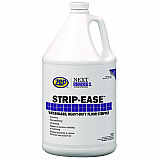
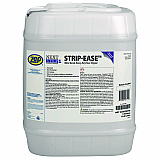
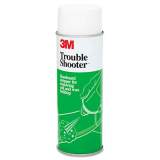
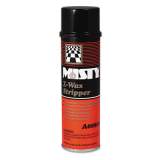
Floor strippers for fast, reliable finish removal
Floor strippers are designed to break down and lift acrylic floor finish, wax, and embedded soil so you can recoat cleanly. In commercial settings, the right stripper reduces labor time, prevents uneven re-application, and helps you avoid residue that can cause peeling or poor gloss. With over 100 SKUs across trusted brands like Betco, SC Johnson Professional, Zep Commercial, 3M, Misty, Zep, and Boardwalk, you can match chemistry to your floor type, finish system, and dwell-time requirements.
For recurring maintenance programs, buying in bulk typically lowers cost-per-ready-to-use gallon and keeps crews productive. If you need help choosing strength, dilution, or pad pairing, our knowledgeable support can guide you to a safer, more efficient strip-and-refinish process.
How to choose the right floor stripper
Stripper strength: light, heavy-duty, and high-solids removal
Not all finishes release the same way. Light-duty strippers are often used for routine removal of 1-2 coats or for sensitive areas where odor and dwell time must be minimized. Heavy-duty or high-performance strippers are built for multiple layers, burnished finishes, or neglected floors where you need faster cut and fewer passes. When evaluating strength, consider:
- Number of coats to remove and how long the finish has cured.
- Traffic and soil load (schools, healthcare, and restaurants often require stronger cut).
- Labor constraints - stronger chemistry can reduce scrubbing time but may require tighter process control.
Floor type compatibility and risk control
Most commercial strippers are intended for resilient flooring (VCT, vinyl, linoleum) and sealed surfaces. Always confirm compatibility with the floor manufacturer guidance and your finish system. For facilities with mixed flooring, standardize on a stripper that meets your most common surface while keeping a specialty option for problem areas.
Risk control matters for procurement teams: look for clear dilution directions, dwell time guidance, and rinse requirements. Using the wrong dilution can leave residue that interferes with new finish adhesion, increasing rework costs.
Low-odor, fast-acting, and rinse-free considerations
Some operations prioritize occupant comfort and turnaround time. Low-odor formulas can be a better fit for daytime work in offices, schools, and healthcare. Fast-acting strippers help when you have limited closure windows. If a product claims reduced rinsing, verify the process steps and test in a small area first - skipping neutralization or rinsing can create bonding issues for the next coat.
Best-practice stripping process (what buyers should plan for)
Prep, dwell, agitation, and pickup
A consistent process protects your results and your labor budget:
- Dry soil removal first to prevent slurry spread.
- Apply diluted stripper evenly and allow proper dwell time (do not let it dry).
- Agitate with the correct pad or brush for your floor and finish load.
- Pick up slurry with a wet vac or autoscrubber, then rinse/neutralize as directed.
Plan your consumables (pads, brushes, wet vac filters) alongside chemical purchasing to avoid downtime. Bulk ordering helps keep the full strip-and-refinish kit on hand for scheduled shutdowns.
Safety and compliance notes
Floor strippers are typically alkaline and can be irritating to skin and eyes. Follow the SDS, use appropriate PPE, and ensure ventilation. For facilities with strict compliance requirements, standardize on labeled dilution control and documented training to reduce incident risk and improve audit readiness.
Build a complete floor care program
Stripping is only one step in lifecycle maintenance. After removal, most facilities apply fresh finish to restore gloss and protect the substrate - pair your stripper purchase with Floor Finishes to keep your recoating schedule on track. For day-to-day cleaning between strip cycles, Floor Cleaners help maintain appearance and reduce premature wear.
If your team is also sourcing general-purpose chemistry for multiple areas, All Purpose Cleaners & Degreasers can cover broader cleaning tasks and simplify ordering. For restrooms and high-touch areas, consider Bathroom Cleaners and Disinfectants & Sanitizers to support facility-wide standards.
Why buy floor strippers here
Better cost control for recurring maintenance
Facilities that strip on a schedule benefit from predictable pricing and fewer emergency orders. Our low prices and price advantage help reduce total program cost, especially when you buy by the case for multi-building operations.
Fast fulfillment and real support
When a floor project is scheduled, delays are expensive. With 1-2 day shipping on many items and knowledgeable customer support, you can keep projects moving and reduce the risk of ordering the wrong chemistry for your finish system.
Floor Strippers FAQ
Can floor stripper damage my flooring?
It can if used on incompatible surfaces, at the wrong dilution, or with excessive dwell time. Confirm floor type compatibility, do a small test area, and follow label directions for dilution, dwell, and agitation.
Do I need to rinse or neutralize after using a floor stripper?
In most cases, yes. Follow the product label and SDS. Proper rinsing or neutralization helps prevent residue that can cause poor adhesion, hazing, or peeling of the new floor finish.
How do I choose between light-duty and heavy-duty floor stripper?
Choose light-duty for routine removal of a few coats or lighter buildup. Choose heavy-duty for multiple layers, high-solids finishes, or neglected floors where faster cut and fewer passes reduce labor time.
Is it better to buy floor stripper in bulk?
For recurring maintenance, bulk purchasing typically lowers cost-per-use and prevents project delays. It also helps standardize products across sites and simplifies reordering for scheduled strip cycles.
What is a floor stripper used for?
A floor stripper removes old floor finish or wax so the surface can be cleaned, neutralized, and recoated. It is commonly used on VCT and other resilient floors during strip-and-refinish maintenance.