
Drain Cleaners

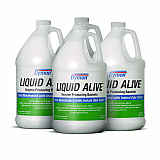
1-2 Day Delivery
$115.42 $228.38
Case of 4($28.86/Each)
Choose Your Frequency:
Volume Pricing
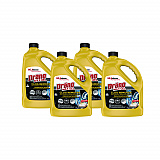
1-2 Day Delivery
$67.49 $105.68
Case of 4($16.87/Each)
Choose Your Frequency:
Volume Pricing
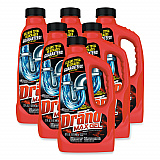
1-2 Day Delivery
$72.14 $170.52
Case of 12($6.01/Each)
Choose Your Frequency:
Volume Pricing
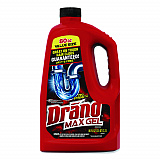
1-2 Day Delivery
$10.93 $24.90
Choose Your Frequency:
Volume Pricing
1-2 Day Delivery
$65.59 $149.40
Case of 6($10.93/Each)
Choose Your Frequency:
Volume Pricing
1-2 Day Delivery
$21.61 $26.42
Choose Your Frequency:
Volume Pricing
1-2 Day Delivery
$62.08 $70.92
Case of 6($10.35/Each)
Choose Your Frequency:
Volume Pricing
1-2 Day Delivery
$10.33 $18.15
Choose Your Frequency:
Volume Pricing
1-2 Day Delivery
$57.76 $108.90
Case of 6($9.63/Each)
Choose Your Frequency:
Volume Pricing
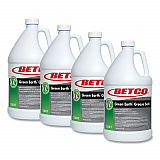
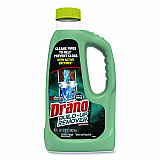
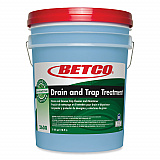
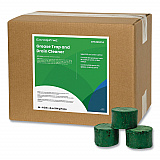
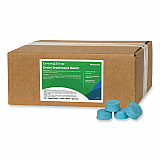
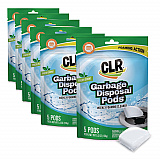
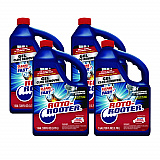
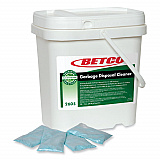
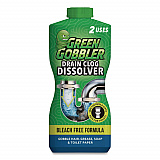
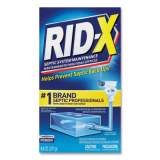
Drain cleaners for commercial clogs, odors, and preventive maintenance
Drain problems cost time, create odor complaints, and can trigger sanitation issues. This category is built for commercial buyers who need reliable performance, clear usage directions, and predictable reordering. Stock up for recurring maintenance across restrooms, kitchens, breakrooms, janitor closets, and facility drain lines.
Our assortment includes trusted brands such as Betco, Drano, Liquid Plumr, Boardwalk, CLR, Diversey, Dymon, Zep, Misty, and RID-X, with bulk-friendly options and fast shipping on many SKUs.
Choose the right drain cleaner type
Caustic drain openers are commonly used for organic clogs like hair, soap scum, and food residue. They can work quickly, but require strict handling and compatibility checks.
Acid drain openers are typically used for heavy-duty stoppages and certain stubborn buildup. These are high-risk products and should only be used where your SOPs, PPE, and plumbing materials allow.
Oxidizing formulas can help break down some organic blockages and are often used in consumer-forward products, but commercial users still need to verify dwell time, dosage, and safe use conditions.
Enzymatic and bacterial drain maintainers support ongoing odor control and buildup reduction. These are best for preventive programs (nightly or weekly dosing) rather than emergency clogs.
Septic-safe treatments help support system health in locations that rely on septic, and are often used as part of a scheduled maintenance plan.
Match the product to the application
Restroom sinks and showers: Hair and soap scum are common. Gel or clinging liquids can help stay in contact with vertical pipe walls.
Kitchen and floor drains: Grease and food soils are frequent. Many facilities pair a drain maintainer with a grease management routine to reduce recurring backups.
Condensate and utility drains: Slime and biofilm can create odor and slow drainage. Enzyme-based options are often used for routine control.
Septic systems: Use products labeled septic-safe and avoid harsh chemistries that can disrupt system balance.
Safety, compliance, and facility fit
Drain cleaners can be hazardous and are not one-size-fits-all. Before ordering, confirm:
- Plumbing compatibility: PVC, older metal lines, and mixed-material systems may have restrictions.
- Use environment: Foodservice areas may require stricter handling and storage practices.
- PPE and training: Eye/face protection and chemical-resistant gloves are common requirements.
- SDS availability: Keep Safety Data Sheets accessible and align with your hazard communication program.
- Do-not-mix rules: Never mix drain chemicals with other cleaners. Follow label directions exactly.
Build a drain maintenance program that reduces emergencies
For many facilities, the lowest total cost comes from fewer call-outs, not just the lowest unit price. A simple approach:
- Emergency response: Keep a fast-acting opener on hand for approved drain types.
- Preventive dosing: Add an enzymatic/bacterial maintainer on a schedule for problem drains.
- Odor control: Treat biofilm and organic buildup to reduce recurring smells.
- Standardize SKUs: Fewer products, clearer training, faster reorders.
Buying in case quantities helps keep every shift covered and supports consistent results across locations.
How to compare drain cleaners before you buy
- Form factor: Liquid, gel, crystal, or powder (consider contact time and ease of dosing).
- Intended soil: Hair/soap, grease/food, biofilm, or general organic buildup.
- Dwell time: Fast openers vs overnight maintainers.
- Packaging: Single-use bottles for controlled dosing or larger containers for maintenance programs.
- Shipping and storage: Plan for hazmat handling where applicable and store securely.
Related categories for a complete cleaning program
If you are also standardizing daily cleaners for multi-surface work, pair drain maintenance with All Purpose Cleaners & Degreasers to keep surrounding areas clean and reduce slip and odor issues near drains.
For restroom-focused programs, many buyers bundle drain products with Bathroom Cleaners and Toilet Bowl Cleaners to simplify ordering and keep compliance consistent across the facility.
When hard-water scale is part of the problem, consider adding Lime & Rust Removers to address mineral buildup on fixtures and nearby surfaces that can contribute to recurring maintenance complaints.
Why buy drain cleaners here
Get a deep assortment (100+ SKUs), price-advantaged options for bulk orders, and 1-2 day shipping on many items. If you are unsure which chemistry fits your drains, our knowledgeable support team can help you choose products that align with your facility needs and safety requirements.
Drain Cleaners FAQ
Are drain cleaners safe for PVC and older plumbing?
It depends on the chemistry and your plumbing materials. Always verify the label and SDS for compatibility guidance, and avoid using harsh products on systems where the manufacturer or your plumber advises against it.
Can I use drain cleaner in a commercial kitchen floor drain with grease buildup?
Yes, but match the product to grease and food soils and follow your facility safety procedures. Many operations use a maintenance product on a schedule to reduce grease-related backups and odor between deep cleanings.
Do drain cleaners work in septic systems?
Use products specifically labeled septic-safe, such as septic treatments designed to support ongoing maintenance. Avoid harsh chemistries that can disrupt septic system balance.
What drain cleaner is best for recurring slow drains and odors?
For recurring issues, enzymatic or bacterial drain maintainers are typically the best fit. They are designed for preventive dosing to reduce biofilm and odor-causing buildup rather than clearing a fully blocked line.
What should I never mix with a drain cleaner?
Do not mix drain cleaners with bleach, acids, ammonia, or other cleaners. Mixing chemicals can create dangerous reactions and fumes. Follow label directions exactly and use appropriate PPE.