
Cup Trays

Filters Clear All
Price
Capacity (text)
Color(s)
Cup Size (Range)
Cup Trays Capacity (text)
Depth
Material(s)
Width
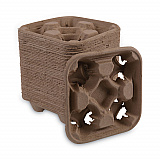
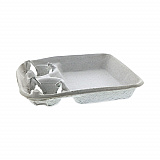
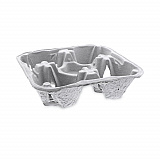
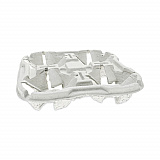
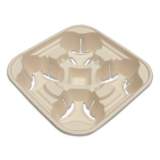

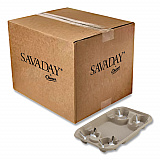
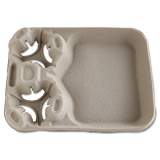
Cup trays built for faster, safer drink carryout
Cup trays (also called drink carriers) keep beverages stable from counter to car. For restaurants, cafes, schools, offices, and healthcare foodservice, the right carrier reduces spills, protects bags, and improves the customer handoff. This category focuses on practical, high-velocity options you can reorder confidently, with bulk pricing, 1-2 day shipping on many items, and support that helps you match tray style to cup size and lid type.
Whether you are packing iced coffees, fountain drinks, smoothies, or hot beverages, cup trays add structure to the order. They also speed up assembly during rush periods by keeping multiple drinks together and easy to stage.
Key tray types and when to use them
Molded fiber cup trays are a common choice for takeout and delivery. They provide grip and cushioning, handle condensation well, and are typically stackable for efficient storage. Many operations prefer fiber for its rigidity and reliable performance in delivery bags.
Pulp and paperboard carriers can be a good fit for counter service and short-distance transport. They are lightweight and easy to stage near beverage stations. If your team is moving quickly, look for designs with deep cup wells and stable bases.
Multi-cup capacity matters. Two-cup and four-cup carriers are the most common for to-go orders, while larger formats can help for catering or office drop-offs. Choose based on your average ticket: if most orders include 2 drinks, a two-cup tray can reduce wasted space and improve bag fit.
How to choose the right cup tray
1) Match the cup diameter and lid style. Cup wells should fit the widest part of the cup and allow the lid to clear the rim without rocking. If you serve multiple cup sizes, consider standardizing on a tray that fits your top two sellers, then keep a secondary option for oversized drinks.
2) Consider hot vs. cold beverages. Cold drinks create condensation that can soften some materials over time. Hot drinks need stability and hand protection. A deeper well and thicker fiber can help reduce tipping and improve grip.
3) Think about delivery bag geometry. If your delivery bags are narrow, a four-cup tray may not sit flat. Measure internal bag width and choose a carrier footprint that fits without bending. A stable tray is only useful if it can be placed level inside the bag.
4) Storage and speed. Stackability and easy separation reduce labor. If carriers stick together or deform in humid storage, it slows down the line. Keep trays in a dry area and rotate inventory to maintain rigidity.
Operational benefits that impact cost
Spills are expensive: remakes, refunds, and negative reviews add up. Cup trays help reduce those costs while improving throughput at the beverage station. They also protect other packaging in the order, especially paper bags and boxed items. For high-volume programs, buying cup trays by the case typically lowers per-order packaging cost and keeps you in stock during peak periods.
Materials, sustainability, and compliance considerations
Many cup trays are made from molded fiber or paper-based materials. If sustainability goals are part of your purchasing criteria, fiber carriers are often preferred for their renewable content and practical end-of-life options where facilities exist. Always confirm local requirements and disposal guidelines for your location and customer base.
For brand and program consistency, you can also align cup trays with the rest of your to-go packaging system. If you are building standardized kits for staff, keep tray selection consistent with your most common cup and lid combinations.
Brands and assortment built for commercial use
Choose from trusted commercial lines including Pactiv, Chinet, Boardwalk, and World Centric. With over 100 SKUs across formats and capacities, you can dial in the right carrier for your menu and service model. If you are unsure which tray fits your cups, our knowledgeable customer support can help you narrow options quickly and avoid costly mismatches.
Build a complete takeout packaging set
If you are packaging more than drinks, pair carriers with the right containers to reduce movement inside the bag. For hot or cold meals, browse Food Containers & Lids to keep items sealed and stackable. For grab-and-go slices and deliveries, Pizza Boxes help protect product quality and keep orders organized.
For sides, sauces, and samples that travel with beverages, add Souffle & Portion Cups to reduce leaks and keep condiments controlled. If your menu includes baked goods, Bakery Boxes & Containers can round out your front-of-house packaging so every order leaves clean and secure.
Bulk ordering, fast shipping, and support
Keep your beverage program running with case packs designed for recurring replenishment. Bulk purchasing improves unit economics, reduces emergency reorders, and helps maintain consistent service during rushes. Many items ship in 1-2 days, and our pricing is built to stay competitive for commercial buyers managing freight and total landed cost.
Cup Trays FAQ
Are molded fiber cup trays strong enough for delivery?
Most molded fiber carriers are designed for commercial takeout and delivery and provide good rigidity and grip. For longer delivery routes, choose deeper wells and a sturdier fiber weight to reduce tipping.
Can customer support help me choose the right cup tray?
Yes. If you share your cup size, lid style, and typical order mix, support can help you select a carrier that fits properly and performs well for your service model.
Do you sell 2-cup and 4-cup drink carriers in bulk?
Yes. Cup trays are available in multiple capacities, including common 2-cup and 4-cup formats, with case-pack options that support recurring reorders and lower per-order packaging cost.
How do I prevent spills when using cup trays in delivery bags?
Use a tray that fits your cup diameter, place it on a flat surface inside the bag, and avoid bending the carrier to fit. If needed, choose a smaller footprint tray that matches your bag width and keeps cups level.
What cup sizes do cup trays fit?
Fit depends on the tray well diameter and depth. Match the tray to your most common cup and lid combination, and verify it supports the widest cup you serve without rocking or tipping.