
Tray Mats & Liners

Filters Clear All
Price
Application
Color Family
Depth
Length
Mat Edge
Mat Style
Mat Type
Material Type
Material(s)
Style
Texture/Finish
Theme
Width
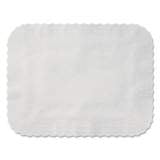

Tray Mats & Liners for Cleaner, Faster Foodservice
Tray mats and liners help control mess, reduce tray washing time, and improve presentation in cafeterias, healthcare dining, schools, and takeout operations. They create a clean barrier between food and tray surfaces, helping limit cross-contact and keeping service lines moving during rush periods.
Stocking the right liner is a small change that can reduce labor and improve consistency across shifts. With 100+ SKUs and knowledgeable support, its easier to match the right size, material, and performance level to your operation and reorder with confidence.
What tray mats and liners are used for
Most buyers use tray liners to:
- Protect trays from grease, moisture, and spills
- Improve food presentation and perceived cleanliness
- Reduce cleanup time and extend tray life
- Support portion control and organized plating in self-serve lines
They are common in institutional dining, quick service, and any setting where speed, sanitation, and repeatable setups matter.
Material options and performance tradeoffs
Tray mats and liners are typically paper-based, with options that range from basic absorbent sheets to heavier, more durable constructions. When choosing, focus on how the liner behaves under heat, moisture, and grease.
- Absorbent paper: Good for everyday use and light moisture. Cost-effective for high-volume programs.
- Grease-resistant liners: Better for fried foods, pizza, and oily items where soak-through is a concern.
- Heavier weight options: Hold up better during longer meal periods and reduce tearing when trays are carried or stacked.
If your operation serves saucy or greasy menu items, prioritize resistance to bleed-through. For dry foods and fast turnover, a standard absorbent liner often delivers the best price-to-performance ratio.
Sizing and fit: avoid waste and rework
Fit is one of the most common causes of liner waste. Too small and the tray still gets dirty; too large and liners bunch, tear, or get thrown out early. Match liner dimensions to your tray footprint and consider how items are placed during service.
For multi-tray programs, standardizing on fewer sizes can simplify purchasing and reduce stocking errors. If you are unsure, customer support can help narrow options based on tray type, menu, and service style.
Print, branding, and front-of-house presentation
Many operations use tray mats as a communication surface: promotions, nutrition notes, seasonal messaging, or simple brand reinforcement. Printed options can also help guide customers through self-serve lines or highlight limited-time offers without adding signage clutter.
For back-of-house or high-waste environments, unprinted liners may be the most economical choice. For front-of-house visibility, printed liners can deliver a low-cost presentation upgrade.
Operational considerations: sanitation, storage, and speed
Tray liners are typically single-use, which supports quick resets between guests and helps reduce the time trays spend out of rotation. Store liners in a clean, dry area to prevent curling and moisture pickup. In high-volume lines, staging liners near tray dispensers can reduce bottlenecks.
For facilities with strict procedures, confirm the liner material and intended use align with your internal sanitation and food-contact policies. When in doubt, choose products from established foodservice brands like Hoffmaster and AmerCareRoyal for consistent specs and dependable supply.
Buying in bulk: lower cost per use and fewer stockouts
Bulk purchasing is usually the most cost-effective way to run tray liners, especially for recurring meal service. Higher case quantities reduce per-unit cost and help prevent last-minute substitutions that can disrupt service.
- Lower total cost: Better case pricing supports tight budget targets.
- Fewer emergency orders: More on-hand inventory reduces rush freight risk.
- Consistent guest experience: Standard liners keep presentation uniform across locations and shifts.
With low prices and 1-2 day shipping on many items, you can keep par levels steady without overbuying storage space.
How to choose the right tray mat or liner
Use this quick checklist to narrow down the best option:
- Tray size and shape (measure the usable surface area)
- Menu profile (dry vs. greasy vs. saucy)
- Service style (self-serve, patient dining, cafeteria line, takeout staging)
- Desired appearance (plain vs. printed)
- Budget target and reorder frequency
If you are managing multiple sites, consider standardizing a primary liner and a backup option to protect uptime during seasonal demand spikes.
Why buy tray mats and liners here
This category is built for commercial buyers who need reliable supply and predictable performance. You get a deep assortment (100+ SKUs), price advantage on bulk quantities, and support from a team that can help you match specs to your trays and menu. Fast 1-2 day shipping on many products helps keep operations running without costly downtime.
Tray Mats & Liners FAQ
Are tray mats and liners grease-resistant?
Some are standard absorbent paper, while others are designed to resist grease and moisture. If you serve fried or oily foods, choose a grease-resistant option to reduce soak-through and tray cleanup.
Do tray liners work for cafeterias, schools, and healthcare dining?
Yes. Tray liners are commonly used in high-traffic institutional settings to improve cleanliness, speed resets between guests, and keep tray presentation consistent.
Should I buy tray mats and liners in bulk?
Bulk case quantities typically lower cost per use and reduce stockouts. For recurring meal service, buying by the case helps maintain consistent presentation and simplifies reordering.
What size tray liner should I buy?
Measure the usable flat area of your tray and choose a liner that covers most of the surface without overhanging. A close fit reduces bunching, tearing, and wasted liners.
Which brands are available in this category?
This category includes tray mats and liners from Hoffmaster and AmerCareRoyal, both widely used in commercial foodservice for consistent specifications and dependable supply.