
Hand Sanitizer Dispensers

Filters Clear All
Price
Color(s)
Depth
For Use With
Height
Holds
Material(s)
Mounting
Mounting Details
Width

1-2 Day Delivery
$114.94 $145.35
Choose Your Frequency:
Volume Pricing
1-2 Day Delivery
$41.10 This item is listed at the minimum advertised price.
Choose Your Frequency:
Volume Pricing
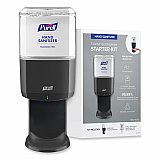
1-2 Day Delivery
$70.16 This item is listed at the minimum advertised price.
Choose Your Frequency:
Volume Pricing
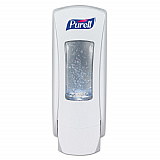
1-2 Day Delivery
$130.39 $213.90
Case of 6($21.73/Each)
Choose Your Frequency:
Volume Pricing
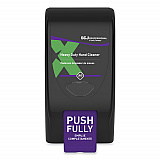
1-2 Day Delivery
$42.35 $75.00
Case of 6($7.06/Each)
Choose Your Frequency:
Volume Pricing
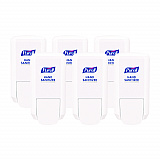
1-2 Day Delivery
$75.36 This item is listed at the minimum advertised price.
Case of 6
Choose Your Frequency:
Volume Pricing
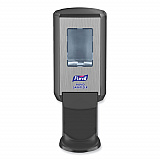
1-2 Day Delivery
$12.02 This item is listed at the minimum advertised price.
Choose Your Frequency:
Volume Pricing
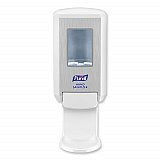
1-2 Day Delivery
$12.02 This item is listed at the minimum advertised price.
Choose Your Frequency:
Volume Pricing
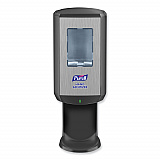
1-2 Day Delivery
$54.55 This item is listed at the minimum advertised price.
Choose Your Frequency:
Volume Pricing
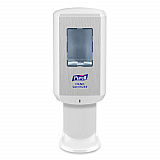
1-2 Day Delivery
$54.55 This item is listed at the minimum advertised price.
Choose Your Frequency:
Volume Pricing
1-2 Day Delivery
$95.00 This item is listed at the minimum advertised price.
Choose Your Frequency:
Volume Pricing
1-2 Day Delivery
$61.29 This item is listed at the minimum advertised price.
Choose Your Frequency:
Volume Pricing
1-2 Day Delivery
$75.00 This item is listed at the minimum advertised price.
Case of 6
Choose Your Frequency:
Volume Pricing
1-2 Day Delivery
$1.99 $129.32
Choose Your Frequency:
Volume Pricing
1-2 Day Delivery
$1.99 $129.32
Choose Your Frequency:
Volume Pricing
1-2 Day Delivery
$95.00 This item is listed at the minimum advertised price.
Choose Your Frequency:
Volume Pricing
1-2 Day Delivery
$54.55 This item is listed at the minimum advertised price.
Choose Your Frequency:
Volume Pricing
1-2 Day Delivery
$2.63 $3.75
Choose Your Frequency:
Volume Pricing
1-2 Day Delivery
$12.02 This item is listed at the minimum advertised price.
Choose Your Frequency:
Volume Pricing
1-2 Day Delivery
$12.02 This item is listed at the minimum advertised price.
Choose Your Frequency:
Volume Pricing
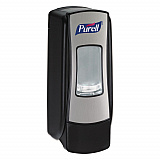
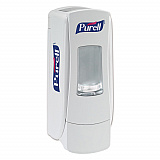
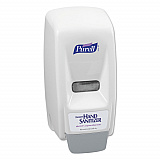
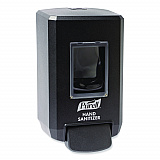
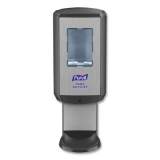
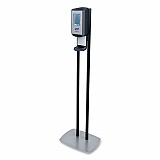
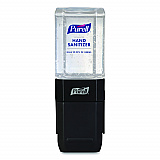
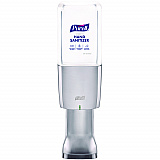
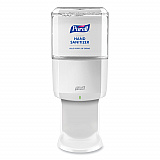
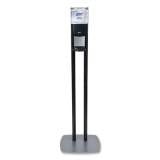
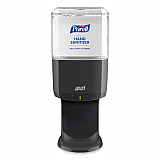
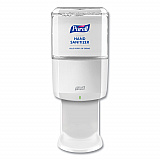
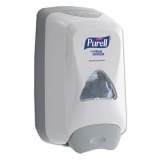
Hand sanitizer dispensers for commercial spaces
Hand sanitizer dispensers help reduce cross-contact, improve compliance, and keep entrances, breakrooms, restrooms, and patient areas stocked with minimal labor. This category focuses on commercial-ready units designed for frequent use, easy servicing, and controlled dispensing to reduce waste. With a wide assortment and fast shipping, you can standardize across multiple locations and keep replenishment simple.
Choose the right dispenser type
Touchless (automatic) dispensers are a strong fit for healthcare, foodservice, and high-traffic lobbies where minimizing touch points matters. Look for reliable sensors, consistent dose output, and low-battery indicators if applicable.
Manual dispensers are cost-effective and durable for schools, offices, and back-of-house areas. Many models are designed for quick cartridge swaps and straightforward maintenance.
Wall-mount vs. countertop: Wall-mount units support consistent placement and reduce clutter near sinks and entrances. Countertop dispensers work well at reception desks, checkouts, and temporary stations where drilling is not ideal.
Compatibility: refills, cartridges, and formats
Dispenser compatibility is the first spec to confirm before you buy in bulk. Many commercial systems are designed around proprietary cartridges, while others support more universal formats. Match the dispenser to the sanitizer chemistry and packaging style you plan to standardize on, especially across multiple buildings.
If you already stock cartridges, start by selecting the matching Hand Sanitizer Refills so your dispenser choice aligns with what your team can replenish quickly. If you are still deciding on chemistry or gel vs. foam, compare options in Hand Sanitizers before committing to a dispenser platform.
Placement and capacity planning for high-traffic areas
For entrances and corridors, prioritize visibility and consistent height placement. In healthcare and education, place units near room entries and shared equipment zones to support routine use. In offices and restaurants, focus on front-of-house touchpoints like reception, waiting areas, and near POS.
Capacity matters for labor control. Higher-capacity dispensers reduce refill frequency, which is important for facilities with limited staff time or multiple shifts. For multi-site rollouts, standardizing on one or two dispenser models can simplify training, stocking, and service calls.
Durability, security, and maintenance
Commercial dispensers should hold up to repeated actuations and frequent cleaning. In public-facing locations, consider lockable designs to deter tampering and reduce product loss. Easy-view windows or level indicators help staff confirm remaining product at a glance.
Maintenance-friendly features to look for include tool-free front access, simple cartridge loading, and clear instructions for battery replacement (for automatic units). These details reduce downtime and keep stations usable during peak hours.
Compliance and facility standards
Many facilities have internal requirements for infection control, housekeeping, or brand standardization. When selecting dispensers, confirm they support your approved sanitizer type and that placement aligns with your safety and accessibility policies. For regulated environments, consistent dispensing and controlled refills can help support documented hygiene programs.
Build a complete hand hygiene program
Dispensers work best as part of a broader hygiene setup. If you need surface cleanup options for shared spaces, pair dispensers with Sanitizing Wipes for quick wipe-downs of counters, carts, and high-touch points. For sink areas, coordinate your setup with Soap Dispensers and keep replenishment simple with matching Soap Refills. For full wash programs, browse Hand Soaps to align with your facility preferences.
Why buy dispensers here
When you are ordering for a facility or multiple sites, pricing and fulfillment matter. This category supports bulk purchasing with a broad SKU selection, fast 1-2 day shipping on many items, and knowledgeable support to help you confirm compatibility before you place a larger order. That means fewer returns, fewer mismatched refills, and a smoother rollout.
What to check before placing a bulk order
1) Refill system and chemistry
Confirm the dispenser matches your intended refill cartridge and sanitizer type (gel, foam, or liquid). If you are standardizing across locations, choose a platform that is easy to source and simple for staff to replace.
2) Mounting and installation needs
Verify wall type, mounting hardware requirements, and whether you need adhesive or screw-mount options. For temporary setups, countertop units can reduce installation time.
3) Traffic level and service intervals
Estimate daily usage and choose capacity accordingly. Higher-traffic areas benefit from larger cartridges and durable housings to reduce maintenance calls.
4) Security and public access
In lobbies, schools, and shared restrooms, lockable dispensers and controlled dosing can reduce waste and prevent tampering.
Brands and commercial-grade options
Choose from trusted commercial lines including PURELL, SC Johnson Professional, HLS Commercial, AbilityOne, Boraxo, GN1, and GOJO. If you need help matching a dispenser to an existing refill or confirming a model for a multi-site standard, customer support can assist with selection and ordering.
Hand Sanitizer Dispensers FAQ
Are hand sanitizer dispensers universal or refill-specific?
Many commercial hand sanitizer dispensers are refill-specific and designed for a particular cartridge system. Before ordering, confirm the dispenser model matches the refill format and sanitizer type (gel, foam, or liquid) you plan to stock.
Do I need wall-mount or countertop sanitizer dispensers?
Wall-mount dispensers are ideal for permanent stations and consistent placement across a facility. Countertop dispensers work well for reception desks, temporary setups, and areas where mounting is not practical.
How do I reduce waste and product loss with sanitizer dispensers?
Choose dispensers with controlled dosing and consider lockable designs for public-facing areas. Standardizing on one refill system and training staff on quick cartridge changes also helps prevent overuse and downtime.
Should I choose touchless or manual dispensers for my facility?
Touchless dispensers help reduce touch points and are often preferred for healthcare, foodservice, and high-traffic public areas. Manual dispensers are typically more cost-effective and durable for offices, schools, and back-of-house use.
What is the best placement for sanitizer dispensers in commercial buildings?
Common high-use locations include building entrances, reception areas, outside restrooms, near breakrooms, and at room entry points in healthcare and education. Place units where they are visible and convenient to use without blocking walkways.