
Warewashing Chemicals

Categories
Filters Clear All
Price
Application
Capacity (Weight)
Chemical Compound
Dirt Types
Packing Type
Physical Form
Product Packaging
Scent
Volume Capacity
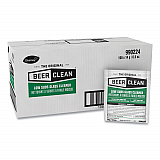
1-2 Day Delivery
$48.45 This item is listed at the minimum advertised price.
Case of 100
Choose Your Frequency:
Volume Pricing
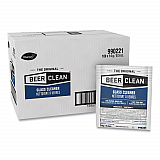
1-2 Day Delivery
$47.95 This item is listed at the minimum advertised price.
Case of 100
Choose Your Frequency:
Volume Pricing
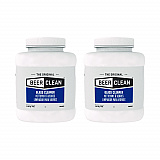
1-2 Day Delivery
$59.64 $74.65
Case of 2($29.82/Each)
Choose Your Frequency:
Volume Pricing
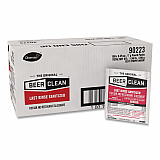
1-2 Day Delivery
$53.65 Great news! The price of this item drops at checkout, but we can't show it here due to manufacturer restrictions. Add it to your cart to see your exclusive deal!
Case of 100
Choose Your Frequency:
Volume Pricing

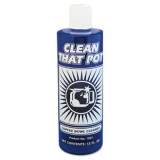
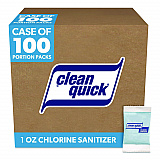
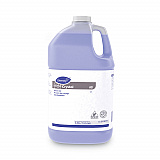
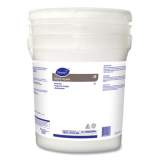
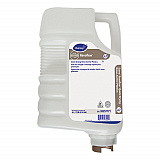
Warewashing chemicals for consistent results in commercial kitchens
Warewashing performance is a chemistry problem before it is a machine problem. The right detergent, rinse aid, and sanitizer combination helps reduce rewash labor, protects equipment, and keeps you aligned with foodservice cleaning expectations. This category is built for restaurants, bars, schools, offices, and healthcare kitchens that need reliable outcomes at scale, with bulk-friendly options and fast fulfillment.
Choose from trusted lines including Diversey, Clean Quick, and Clean That Pot. With 100+ SKUs, you can match chemistry to your water conditions, soil load, and ware type without overpaying.
What is included in warewashing chemicals
Most operations run a system, not a single product. Typical warewashing programs include:
- Machine dish detergents: Formulated to remove fats, proteins, and starches under high heat or low-temp cycles.
- Rinse aids: Promote sheeting to reduce spots and speed drying, especially important for glassware and plastic.
- Sanitizers: Used in low-temp machines or 3-compartment sinks to achieve sanitizing requirements when heat alone is not the method.
- Delimers and descalers: Break down mineral scale that causes poor wash performance, clogged jets, and heater inefficiency.
- Presoaks and pot-and-pan solutions: Target baked-on soils and heavy grease to reduce scrubbing time.
How to choose the right product for your setup
Procurement teams typically narrow selection by machine type, water hardness, and the mix of wares being washed. Use these checkpoints to avoid mismatches:
- High-temp vs low-temp dishmachines: High-temp relies on heat sanitizing; low-temp typically requires chemical sanitizing. Confirm your machine requirements before ordering.
- Water hardness and mineral load: Hard water drives spotting and scale. Pair an appropriate detergent with a rinse aid, and schedule deliming based on buildup frequency.
- Soil load: Heavy grease and starch need stronger detergency or a presoak step. Light soil operations can often reduce chemical spend with properly dosed standard formulas.
- Material compatibility: Aluminum and soft metals can be sensitive to aggressive alkalinity. When in doubt, verify label guidance and your ware manufacturer recommendations.
If your priority is spotless stemware and bar service speed, start with the specialized Glassware Cleaners subset to dial in clarity and reduce lipstick and film issues. For mixed loads, keep glassware chemistry separate from heavy pot-and-pan cycles to prevent haze and etching.
Detergents, rinse aids, and sanitizers: what each one solves
Detergent does the soil removal. If you see greasy residue or cloudy film, the issue is often under-dosing, wrong formula for your water, or scale buildup interfering with spray patterns.
Rinse aid improves drying and appearance. Spotting on glassware and plastic is frequently a rinse aid selection or dosing issue, not a wash issue.
Sanitizer is about meeting sanitizing requirements when heat is not the method. Always follow label directions for concentration and contact time, and train staff on test strips where applicable.
Deliming and maintenance: protect your machine and reduce downtime
Scale is one of the most common causes of declining wash results and service calls. A routine deliming schedule helps maintain temperature efficiency, keeps jets clear, and reduces the risk of costly repairs. If you are seeing white buildup, longer cycle times, or inconsistent results across racks, add a delimer to your regular ordering cadence.
Bulk buying, shipping speed, and support that helps you order correctly
Warewashing chemicals are a recurring purchase, so small improvements in dosing and product fit can create meaningful savings over time. Ordering by the case helps stabilize inventory, reduce emergency freight, and keep your dishroom running without interruptions. With low prices, 1-2 day shipping on many items, and knowledgeable customer support, you can standardize your program across locations and reorder with confidence.
Build a complete cleaning program beyond the dishroom
Many facilities coordinate warewashing with broader sanitation needs. If you are aligning chemical purchasing across the building, pair this category with Cleaning Chemicals for degreasers and specialty cleaners used outside the dish area. For front-of-house and back-of-house hygiene, Soaps & Hand Hygiene supports consistent handwashing programs, and Gloves & Hand Protection helps reduce cross-contamination during prep and cleanup.
Warewashing chemical best practices for procurement
Standardize SKUs and dosing to control cost
Cost control is usually won through consistency. Standardize a small set of detergents and rinse aids by location type, then verify dosing settings. Over-dosing wastes product and can leave residues; under-dosing increases rewashes and labor.
Confirm compliance and documentation needs
Always review product labels and SDS documentation for your facility requirements. If you operate in regulated environments like healthcare or schools, ensure staff training covers safe handling, storage, and any required testing procedures.
Plan reorder points for uninterrupted operations
Because these items are used daily, set reorder points based on racks per day or sink volume, not just calendar time. Bulk purchasing reduces the risk of running out during peak service and helps keep per-unit costs predictable.
Warewashing Chemicals FAQ
Can I buy warewashing chemicals in bulk for multiple locations?
Yes. Case purchasing helps standardize products, reduce emergency orders, and control cost per use. If you are managing multiple sites, align detergent and rinse aid SKUs by machine type and water conditions for easier reordering.
Do I need a sanitizer if my machine is high-temp?
High-temp machines generally sanitize with heat when they reach required temperatures. If your operation uses a low-temp machine or a 3-compartment sink, a chemical sanitizer is commonly required. Follow local code and product label directions.
How do I reduce spots and haze on glassware?
Start by verifying rinse aid selection and dosing, then check water hardness and scale buildup. For bar and stemware needs, use products designed for glass clarity and avoid mixing heavy pot-and-pan chemistry into glassware cycles.
How often should I delime a commercial dishwasher?
Frequency depends on water hardness and usage. Signs you need deliming include white mineral buildup, clogged jets, longer cycles, and declining results. Many high-volume kitchens schedule deliming routinely to prevent downtime.
What warewashing chemicals do I need for a commercial dishmachine?
Most setups use a machine detergent plus a rinse aid. Low-temp machines typically also require a chemical sanitizer. Many operations add a delimer on a routine schedule to control scale and maintain wash performance.