
Kitchen & Service Carts

Filters Clear All
Price
Bin Quantity
Caster/Wheel Indicator
Color Family
Drawer Quantity
Number of Drawers
Number of Shelves
Overall Material Type
Shelf Count


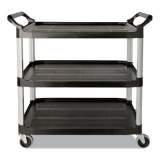
1-2 Day Delivery
$299.33 $639.10
Choose Your Frequency:
Volume Pricing
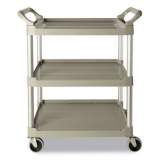
1-2 Day Delivery
$359.65 $639.09
Choose Your Frequency:
Volume Pricing
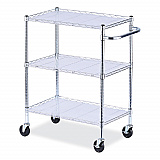
1-2 Day Delivery
$103.22 $374.00
Choose Your Frequency:
Volume Pricing Price/Pack
-
31+$92.57
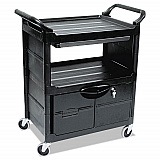
Scheduled Freight Delivery
$491.00 This item is listed at the minimum advertised price.
Choose Your Frequency:
Volume Pricing
Scheduled Freight Delivery
$651.61 $1074.36
Choose Your Frequency:
Volume Pricing
1-2 Day Delivery
$419.23 $691.23
Choose Your Frequency:
Volume Pricing
1-2 Day Delivery
$350.51 $673.98
Choose Your Frequency:
Volume Pricing
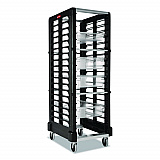
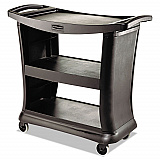
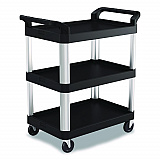
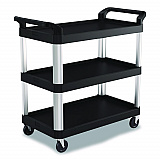
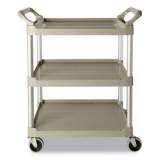
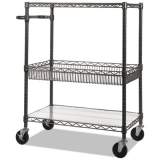
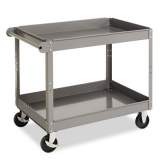
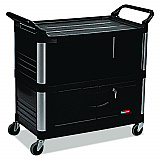
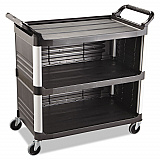
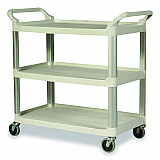
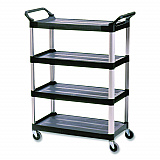
Kitchen and service carts built for daily throughput
Kitchen and service carts are the workhorses behind efficient prep, transport, bussing, and restocking. For restaurants, schools, healthcare, and commercial facilities, the right cart reduces trips, protects product, and keeps staff moving safely through tight aisles and doorways.
This category focuses on commercial-grade carts designed for frequent cleaning, heavy loads, and predictable handling. With 100+ SKUs available, you can match capacity, shelf layout, and material to your workflow and budget.
How to choose the right cart for your operation
Load capacity and shelf configuration
Start with what you are moving: bus tubs, sheet pans, ingredient bins, boxed supplies, or cleaning chemicals. Match the cart to the real load, not the occasional load. Common decision points include:
- Weight rating: Choose a capacity that covers your heaviest typical run with margin for safety.
- Number of shelves: Two- and three-shelf layouts are common for staging and transport; open designs speed loading and unloading.
- Shelf lip and spill control: Lipped shelves help contain drips and prevent items from sliding during turns.
- Overall footprint: Confirm cart width for doorways, elevators, and back-of-house aisles.
Material selection: polymer, metal, and hybrid builds
Material impacts cleaning, corrosion resistance, noise, and long-term durability.
- Structural foam or heavy-duty polymer: Popular for foodservice and healthcare because it is easy to wipe down, resists dents, and stays quieter in use.
- Steel: Strong and rigid for heavier loads; consider finish and environment if carts will see frequent washdowns.
- Stainless steel: Best for wet areas and strict sanitation routines; typically higher cost but strong lifecycle value.
Brands in this category such as Rubbermaid Commercial, Alera, Suncast Commercial, Boardwalk, and Tennsco cover a range of duty levels, from lightweight utility moves to high-capacity facility transport.
Casters, maneuverability, and floor protection
Casters determine how the cart feels in real use. For frequent turns and tight spaces, prioritize smooth rolling and stable tracking.
- Wheel diameter: Larger wheels roll more easily over thresholds and grout lines.
- Swivel vs. rigid: A common setup is two swivel and two rigid for control, or four swivel for maximum maneuverability.
- Brakes: Use locking casters when staging on ramps, in elevators, or during loading.
- Non-marking wheels: Helpful for front-of-house or polished floors.
Cleaning, sanitation, and compliance considerations
In foodservice and healthcare, carts are touched constantly and should be easy to sanitize. Look for smooth surfaces, fewer crevices, and materials that tolerate your cleaning chemicals. If carts will be used near food contact areas, prioritize designs that can be wiped down quickly between runs to support your SOPs.
Common use cases and what to buy for each
Back-of-house transport and restocking
For moving cases, dry goods, and small equipment, choose higher capacity shelves and stable casters. A wider shelf can reduce trips, while a narrower cart may be faster in tight aisles. If you restock multiple stations, consider a layout that keeps high-turn items on the top shelf for quick access.
Bussing, dish room, and cleanup
For bussing and dish room support, easy-clean polymer shelves and lipped edges help contain spills. If the cart will be exposed to frequent moisture, prioritize corrosion-resistant materials and wheels that handle wet floors.
Facilities, maintenance, and multi-purpose utility
For facilities teams, carts often carry tools, paper goods, and repair supplies. Look for durable frames, reliable casters, and shelf spacing that fits common bins and cartons. If you need to standardize across multiple buildings, buying in quantity helps keep parts and handling consistent.
Ordering tips that reduce cost per use
Standardize models to simplify training and replacement
Choosing one or two core cart styles across locations makes it easier to train staff, stock replacement casters, and maintain consistent performance. This is especially helpful for multi-site operators and procurement teams managing recurring replenishment.
Buy in bulk to lower freight impact
Carts can be bulky to ship. Consolidating orders often reduces per-unit freight cost and minimizes receiving time. If you are outfitting a new kitchen, renovating, or expanding storage areas, bundling carts into one purchase can improve total landed cost.
Match the cart to the environment
Wet areas, chemical exposure, and uneven floors can shorten cart life. Selecting the right material and caster type up front prevents premature replacements and downtime.
Why buyers choose these kitchen and service carts
When you need carts that show up fast and perform under daily pressure, selection and fulfillment matter. This assortment is built for commercial use, with bulk-friendly pricing, 1-2 day shipping on many items, and knowledgeable support to help confirm capacity, dimensions, and fit before you place a larger order.
Kitchen & Service Carts FAQ
Are plastic (polymer) service carts durable enough for commercial kitchens?
Yes, many commercial polymer carts are designed for daily use and frequent cleaning. They resist dents and are quieter than metal in many environments, making them a common choice for foodservice and healthcare.
How do I reduce shipping and replacement costs when buying carts for multiple locations?
Standardize on one or two cart models and buy in bulk to consolidate freight. Standardization also simplifies training and makes it easier to stock common replacement parts like casters.
What caster setup is best for tight kitchen aisles?
For tight turns, four swivel casters provide maximum maneuverability. For longer straight runs with better tracking, two swivel and two rigid casters can feel more controlled. Add brakes when staging or loading.
What weight capacity should I choose for a kitchen or service cart?
Choose a cart rated above your heaviest typical load, not just the average. Include the weight of bins, product, and any stacked items, and leave margin for safer handling and longer caster life.