
Sports Drinks

Filters Clear All
Price
Beverage Type
Capacity (Volume)
Contains Dairy
Flavor
Flavor Assortment
For Use With
Packing Type
Product Packaging
Volume Capacity
1-2 Day Delivery
$47.77 $84.65
Case of 24($1.99/Each)
Choose Your Frequency:
Volume Pricing
1-2 Day Delivery
$47.77 $84.66
Case of 24($1.99/Each)
Choose Your Frequency:
Volume Pricing
1-2 Day Delivery
$47.77 $84.65
Case of 24($1.99/Each)
Choose Your Frequency:
Volume Pricing
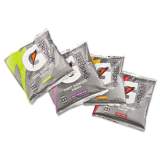
1-2 Day Delivery
$218.69 $366.83
Case of 32($6.83/Each)
Choose Your Frequency:
Volume Pricing
1-2 Day Delivery
$27.67 $43.24
Case of 24($1.15/Each)
Choose Your Frequency:
Volume Pricing
1-2 Day Delivery
$27.67 $43.24
Case of 24($1.15/Each)
Choose Your Frequency:
Volume Pricing
1-2 Day Delivery
$40.37 $43.24
Case of 24($1.68/Each)
Choose Your Frequency:
Volume Pricing
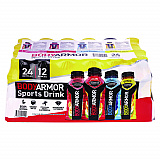
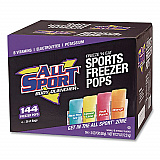
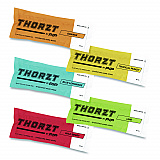
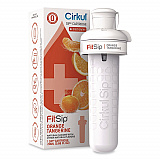
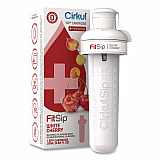
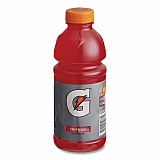
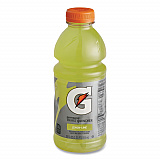
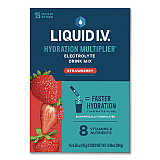
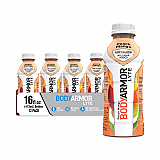
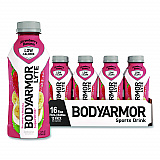
Sports drinks for fast, consistent hydration
Sports drinks are built for performance hydration: fluids plus electrolytes to help replace what is lost through sweat. For facilities that need dependable, grab-and-go options, buying in bulk keeps costs predictable and reduces last-minute runs.
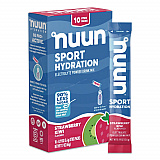
This category includes leading brands like Gatorade, BodyArmor, Sqwincher, LIQUID I.V., nuun, Cirkul, All Sport, Powerade, and THORZT by PIP. With 100+ SKUs, you can standardize on a few best-sellers or offer variety for different taste and nutrition preferences.
How to choose the right sports drink for your use case
Electrolyte profile: sodium and potassium matter
Electrolytes help support fluid balance. Sodium is typically the key electrolyte for sweat replacement, while potassium supports overall electrolyte balance. If you are stocking for high-heat work sites, tournaments, or long practices, prioritize options with meaningful sodium content and clear labeling so your team can choose confidently.
Carbs and calories: energy vs. lighter hydration
Traditional sports drinks often include carbohydrates to support energy during longer activity. Lower-calorie or zero-sugar options can be a better fit for offices, schools, and general refreshment where taste and hydration are the priority. Stocking both helps cover athletes, staff, and visitors without overbuying niche products.
Format and convenience: bottles, powders, tablets, and sticks
Ready-to-drink bottles are the simplest for vending, concessions, and grab-and-go coolers. Concentrates, sticks, and tablets can reduce storage space and are useful for teams and field crews that refill bottles throughout the day. When you are optimizing freight and storage, mixing formats can lower total cost per serving while keeping availability high.
Flavor variety and repeat purchases
Hydration programs work better when people actually drink the product. A tight core set of best-selling flavors plus a rotating variety pack can improve satisfaction and reduce waste. If you manage recurring replenishment, consistent flavor availability helps prevent substitutions that frustrate end users.
Bulk buying benefits for facilities and procurement
Lower unit cost and fewer emergency orders
Bulk and case purchasing typically reduces per-unit pricing and cuts the hidden cost of frequent small orders. It also helps keep high-turn items in stock for peak demand periods like summer, tournament season, or large events.
Fast fulfillment when timing matters
When you need hydration on hand quickly, 1-2 day shipping can be the difference between a smooth event and a scramble. Planning a baseline inventory level and reordering by the case keeps your coolers and break areas ready.
Assortment depth for different environments
Sports drinks are used across gyms, schools, healthcare facilities, warehouses, and offices. A broader SKU range makes it easier to meet different nutrition policies, taste preferences, and budget targets without switching suppliers.
Related beverage options to round out your order
If you are building a hydration set for mixed audiences, add Bottled Water for a no-calorie baseline option alongside electrolyte drinks. For portable servings and easy storage, Drink Mixes can be a smart complement for teams and field staff.
For customers who want a stronger functional pick-me-up, Energy Drinks can cover caffeine-forward demand without replacing your core hydration lineup. If you are stocking a full breakroom or concession program, Soft Drinks and Tea help you serve broader preferences while keeping purchasing consolidated.
Why buy sports drinks here
Price advantage with a deep in-stock selection
With over 100 SKUs, you can source everyday best-sellers and specialty hydration options in one place. Low pricing supports high-volume programs, and case ordering helps you control cost per serving.
Support that helps you order the right quantity
Not sure how many cases you need for a season, a tournament weekend, or a multi-site program? Knowledgeable customer support can help you estimate demand, choose formats, and avoid overbuying slow movers.
Sports Drinks FAQ
Do sports drinks have a shelf life?
Yes. Shelf life varies by brand and format, but most packaged sports drinks and mixes have best-by dates. For bulk orders, rotate stock (first in, first out) and choose formats that match your consumption rate.
How many cases of sports drinks do I need for an event or team?
It depends on headcount, heat, activity duration, and whether water is also provided. A common approach is to plan 1-2 bottles per person per day for active events, then adjust based on past usage and onsite refill options.
Should I buy sports drinks with sugar or zero sugar?
Sugared options can support energy needs during longer activity, while zero-sugar options are often preferred for general hydration, offices, and calorie-conscious programs. Many facilities stock both to cover different users.
What is the difference between sports drinks and electrolyte water?
Sports drinks typically combine water, electrolytes (often sodium and potassium), and sometimes carbohydrates for energy. Electrolyte water may focus on electrolytes with fewer or no carbs, depending on the product.
Which sports drink formats are best for bulk purchasing?
Ready-to-drink bottles are best for vending and grab-and-go. Powders, sticks, and tablets can lower storage needs and cost per serving for teams and field crews that can mix on demand.