
Handles & Braces

Filters Clear All
Price
Coating
Color(s)
For Use With
Handle Diameter
Handle Length
Handle Material
Handle Material(s)
Height
Length
Maximum Handle Length
Weight
Width

1-2 Day Delivery
$25.55 $32.26
Choose Your Frequency:
Volume Pricing Price/Pack
-
5+$24.91
1-2 Day Delivery
$29.94 $51.17
Choose Your Frequency:
Volume Pricing Price/Pack
-
5 - 36$29.19
-
37+$27.94
1-2 Day Delivery
$27.30 $40.54
Choose Your Frequency:
Volume Pricing Price/Pack
-
5 - 38$26.62
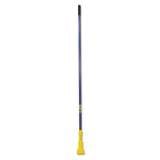
1-2 Day Delivery
$26.00 $43.16
Choose Your Frequency:
Volume Pricing Price/Pack
-
5+$25.35
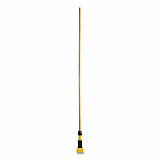
1-2 Day Delivery
$20.97 This item is listed at the minimum advertised price.
Choose Your Frequency:
Volume Pricing
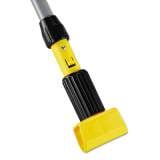
1-2 Day Delivery
$29.69 $47.17
Choose Your Frequency:
Volume Pricing Price/Pack
-
5 - 36$28.95
-
37 - 101$27.71
-
102+$27.21
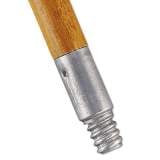
1-2 Day Delivery
$5.77 $9.93
Choose Your Frequency:
Volume Pricing Price/Pack
-
5 - 110$5.63
-
111 - 519$5.39
-
520+$5.29
1-2 Day Delivery
$25.99 $48.18
Choose Your Frequency:
Volume Pricing Price/Pack
-
5 - 40$25.34
-
41+$24.26
1-2 Day Delivery
$4.38 $6.91
Choose Your Frequency:
Volume Pricing Price/Pack
-
5 - 132$4.27
-
133+$4.09
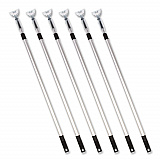
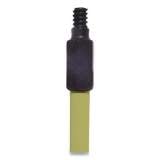
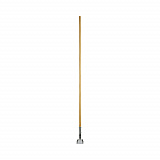
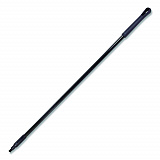
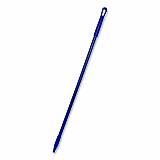

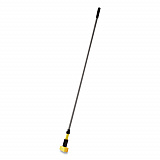

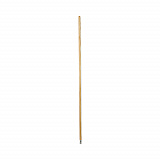
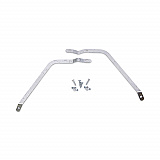


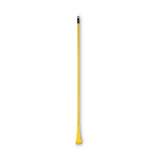
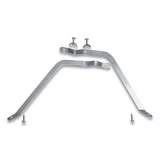
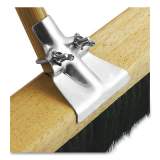
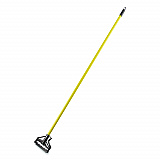




Handles and braces built for daily commercial cleaning
Broken handles and loose braces slow down crews, increase tool waste, and create safety issues. This category focuses on the replacement parts that keep your cleaning tools working: sturdy handles, braces, and related hardware designed for frequent use in facilities, foodservice, schools, and healthcare environments.
Buying spares in bulk helps standardize your inventory across sites, reduce downtime, and avoid emergency purchases. With 100+ SKUs and fast 1-2 day shipping, its easy to keep maintenance closets stocked and consistent.
What you will find in this category
Handles and braces vary by tool type and connection style. Common options include straight handles, threaded handles, tapered handles, and bracing components that reinforce frames or improve stability on wide heads and heavier-duty applications. Many are designed to be swapped quickly on-site with minimal tools.
For complete tool builds or replacements, you may also want to pair these parts with the working ends and accessories used most often in your facility.
Choosing the right handle: fit, connection, and length
Connection type matters. The most common mismatch is thread style or taper size. Confirm whether your head uses a threaded connection (and which thread standard) or a friction/taper fit. If you are standardizing across multiple locations, choose one connection style and keep compatible spares on hand.
Length and ergonomics. Longer handles can reduce bending and improve reach, while shorter handles can improve control in tight spaces. Consider ceiling height, aisle width, and whether staff are cleaning under fixtures or around equipment.
Material and durability. Commercial handles are commonly wood, fiberglass, aluminum, or coated steel. Fiberglass and metal options typically offer better moisture resistance and longer service life in wet environments. Wood can be cost-effective but may swell or splinter over time in high-moisture use.
When braces are the better fix
Braces are used to reinforce frames, stabilize wide heads, and reduce flex under load. If your team is pushing heavier debris, using wider sweep heads, or working on rough surfaces, a brace can extend tool life and improve performance without replacing the entire assembly.
For sweeping programs, consider matching braces and handles with compatible Brooms and Brushes so your crews get the right stiffness and control for each surface type.
Common buying scenarios (and what to stock)
Multi-site facilities and contract cleaning. Standardize on a small set of handle types, then keep a buffer quantity per site. This reduces training issues and prevents mismatched parts.
High-turnover environments. If tools are frequently lost or damaged, prioritize value-focused handles and keep extras ready to deploy. Bulk ordering typically lowers your per-unit cost and reduces freight events.
Wet cleaning and washdown areas. Choose moisture-resistant materials and keep replacement handles staged near Buckets & Wringers and Sprayers & Pumps to minimize downtime during spills and routine floor care.
Compatibility with your current tool system
If you already run a specific commercial system, matching brand and connection style can simplify procurement. This category includes options from trusted commercial lines such as Boardwalk, Rubbermaid Commercial, Carlisle, O'Dell, AbilityOne, and Layflat. If you are unsure what fits, compare the connection type and any listed dimensions, or contact support with a photo of the existing handle end and the tool socket.
Build a complete, ready-to-use cleaning setup
Handles are only one part of a reliable tool program. If you are refreshing inventory, bundle replacements with high-use consumables and accessories to reduce reorders and keep carts stocked.
For floor care, pair handles with Mops, compatible Mop Heads, and the right Mop Handles for your preferred connection style. For dust control and finishing work, add Dust Pans, Dusters, and Dusting Wipes to keep debris contained and reduce rework.
For surface wipe-down and detailing, stock Cleaning Cloths & Wipes, plus Sponges and Scouring Pads & Sticks for tougher soils. If you need reach for high vents, lights, or tall shelving, consider Extension Poles & Handles as a complementary option to standard-length handles.
Why buy handles and braces here
Price advantage for bulk orders. Stocking spares lowers emergency spend and helps keep tool programs consistent across teams.
Fast fulfillment. 1-2 day shipping on many items helps you replace broken parts quickly and keep operations moving.
Depth of assortment. With 100+ SKUs, you can source common handle types and reinforcement parts without splitting orders.
Knowledgeable support. If you are matching an existing tool, our team can help narrow options so you order the correct fit the first time.
Handles & Braces FAQ
Are fiberglass or metal handles better than wood for commercial use?
In wet or high-use environments, fiberglass and metal handles typically last longer and resist moisture better. Wood can be a cost-effective choice for lighter-duty or drier areas but may splinter or swell over time.
Do you offer bulk pricing for facility and janitorial buyers?
Yes. Bulk ordering helps reduce per-unit cost and keeps spare handles and braces available across sites. If you are standardizing for multiple locations, support can help you select a consistent set of compatible options.
How do I know which handle fits my mop or broom head?
Check the connection type first: threaded vs tapered/friction fit. Then confirm any listed dimensions (thread size, taper diameter, or socket size). If you are unsure, match by brand/system or contact support with a photo of the handle end and the tool socket.
What should I stock alongside replacement handles to reduce downtime?
Common add-ons include mop heads, dust pans, cleaning cloths and wipes, and buckets and wringers. Keeping these items on hand helps crews swap parts immediately and avoid missed cleaning tasks.
When should I replace a brace instead of the entire tool?
Replace the brace when the frame is flexing, wobbling, or loosening but the head or frame is otherwise serviceable. A new brace can restore stability and extend tool life at a lower cost than replacing the full assembly.