
Stripping Pads

Filters Clear All
Price
Applicable Material
Application
Color Family
Color(s)
Diameter
Floor Pads Application
For Use With
Material(s)

1-2 Day Delivery
$50.39 $123.34
Box of 5($10.08/Each)
Choose Your Frequency:
Volume Pricing
1-2 Day Delivery
$113.14 $200.60
Case of 60($1.89/Each)
Choose Your Frequency:
Volume Pricing
1-2 Day Delivery
$32.15 $43.41
Case of 5($6.43/Each)
Choose Your Frequency:
Volume Pricing
1-2 Day Delivery
$40.57 $72.32
Case of 5($8.11/Each)
Choose Your Frequency:
Volume Pricing
1-2 Day Delivery
$53.98 $96.21
Case of 5($10.80/Each)
Choose Your Frequency:
Volume Pricing
1-2 Day Delivery
$98.53 $186.92
Case of 5($19.71/Each)
Choose Your Frequency:
Volume Pricing
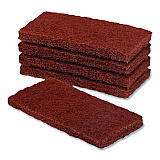
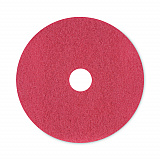
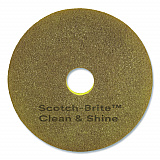
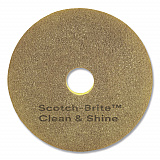
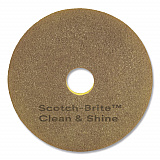
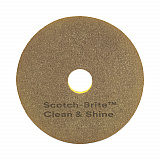
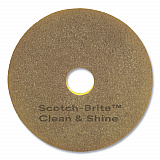
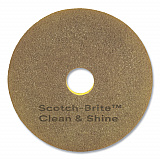
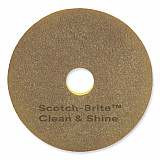
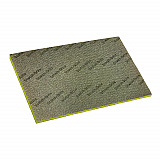
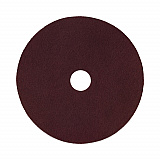
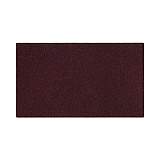
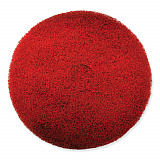
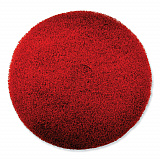
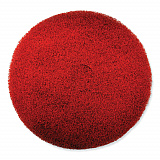
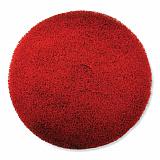
Stripping pads built for fast, consistent finish removal
Stripping pads are designed to cut through floor finish, wax, and embedded soil so you can reset a maintenance program quickly. The right pad saves labor, reduces chemical dwell time, and helps avoid uneven results that show through the next coat. Stocking multiple grades in bulk also keeps crews moving without downtime.
We carry a wide assortment of stripping pads from brands such as 3M, Scotch-Brite, Boardwalk, Americo, GMT, AbilityOne, and SC Johnson Professional, with options for common floor machines and autoscrubbers. If you are building out a full floor program, pair pad selection with the right equipment in Floor Machines & Accessories to match pad size, driver type, and RPM.
How to choose the right stripping pad
Match aggressiveness to the job
Not all stripping pads cut the same. Heavier build-up or neglected floors typically need a more aggressive pad to remove finish efficiently. For lighter removal or frequent maintenance cycles, a less aggressive option can reduce the risk of surface damage and minimize swirl marks.
- Heavy strip: Faster finish removal, best for thick coatings and high-traffic lanes.
- Medium strip: Balanced cut for routine strip-and-recoat schedules.
- Light strip/scrub: For softer finishes or when you want more control on sensitive surfaces.
Confirm floor type and coating system
VCT is the most common target for stripping pads, but facilities also strip sealed concrete, terrazzo, and some resilient surfaces. Always verify the floor manufacturer guidance and your finish chemistry. Overly aggressive pads can haze softer surfaces, while pads that are too mild can leave finish behind and cause adhesion issues during recoating.
Pad size, thickness, and machine speed matter
Choose the pad diameter that matches your driver or autoscrubber deck (common sizes include 13, 14, 15, 16, 17, 18, 19, and 20 inches). Thicker pads can offer longer life and better contact on uneven floors, while thinner pads may provide more control. Machine speed (low-speed vs high-speed) also affects cut rate and heat buildup, so align pad construction to your equipment and process.
Wet stripping vs spray stripping
Most stripping pads are used with a stripping solution and water for full removal. For interim methods, some facilities use spray stripping or scrub-and-recoat programs to extend time between full strips. If your goal is to maintain gloss between full resets, consider pairing pads with Cleaning & Polishing Pads for daily or periodic polishing steps.
Performance and compliance details buyers care about
Cut consistency and finish removal quality
Consistent fiber structure helps prevent patchy removal that leads to uneven shine after recoating. For procurement teams, standardizing on a few proven SKUs can improve repeatability across locations and reduce training time.
Durability and cost per job
Lowest unit price does not always mean lowest cost per strip. Pad life depends on floor condition, chemical dilution, dwell time, and operator technique. Buying in bulk helps reduce per-pad cost and keeps spares on hand for multi-shift operations.
Facility fit: healthcare, schools, restaurants, and offices
Different environments drive different requirements. Healthcare and schools often prioritize predictable results and fast turnaround windows. Restaurants and kitchens may see heavier grease and soil loads that demand stronger chemistry and more aggressive pads. Offices may focus on appearance and minimizing disruption.
Build a complete floor care workflow
Stripping is only one step in the cycle. After removal, many teams move into rinse, neutralize, and recoat. For carpeted areas in the same facility, Carpet Cleaners can help standardize chemical purchasing and simplify ordering across hard floor and carpet programs.
If you are maintaining both hard floors and carpet, Carpet Bonnets can support interim carpet maintenance between deep cleans. And for post-strip cleanup and dust control, explore Commercial Vacuums or replacement parts in Vacuum Accessories to keep equipment performing reliably.
Why buy stripping pads here
Bulk pricing and deep assortment
With over 100 SKUs, it is easier to match pad grade, size, and brand preference without settling for a close substitute. Bulk packs support recurring maintenance schedules and help reduce freight cost per unit.
Fast fulfillment and support
When a strip-and-recoat is scheduled, delays are expensive. We prioritize 1-2 day shipping on many items and provide knowledgeable support to help confirm pad size, machine compatibility, and the right aggressiveness for your finish removal plan.
Stripping Pads FAQ
Can stripping pads be used on an autoscrubber?
Yes, many stripping pads are compatible with autoscrubbers when matched to the correct pad size and driver. Verify your deck size and whether you need a center-lock, clutch plate, or standard pad driver setup.
Do I need a vacuum after stripping floors?
Often yes for dry debris and dust control, especially before recoating. Many teams use a commercial vacuum for perimeter and detail cleanup, then rinse/neutralize and allow the floor to dry fully before applying finish.
How many stripping pads do I need for a strip-and-recoat job?
It depends on floor condition, square footage, and pad durability. As a rule, plan extra pads for heavy buildup areas and multi-shift work, and buy in bulk to avoid downtime if pads load up or wear early.
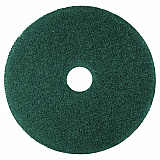
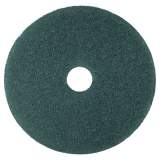
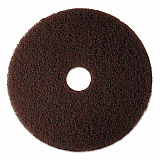
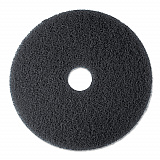
What color stripping pad should I use to remove floor finish?
Color varies by manufacturer, so do not rely on color alone. Choose based on the pad's stated aggressiveness (heavy, medium, or light strip) and confirm it is rated for finish removal on your floor type.
Will an aggressive stripping pad damage my floor?
It can if the pad is too aggressive for the surface or used with excessive pressure or incorrect chemistry. Test in a small area first, follow floor and finish manufacturer guidance, and use the least aggressive pad that achieves complete removal.