
Dishwashing Detergents

Filters Clear All
Brands
Price
Applicable Material
Application
Capacity (Volume)
Capacity (Weight)
Chemical Compound
Dirt Types
Packing Type
Physical Form
Product Packaging
Scent
Volume Capacity



1-2 Day Delivery
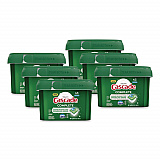
$139.66 $327.25
Box of 6($23.28/Each)
Choose Your Frequency:
Volume Pricing
1-2 Day Delivery
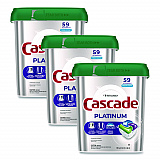
$100.88 $178.65
($16.81/Pack)
Choose Your Frequency:
Volume Pricing
1-2 Day Delivery
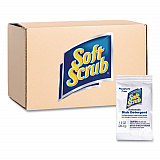
$75.00 $125.10
Case of 3($25.00/Each)
Choose Your Frequency:
Volume Pricing
1-2 Day Delivery
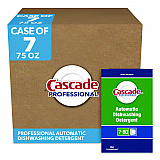
$75.62 $166.34
Case of 200($0.38/Each)
Choose Your Frequency:
Volume Pricing
1-2 Day Delivery
$12.34 $19.33
Choose Your Frequency:
Volume Pricing
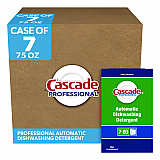
1-2 Day Delivery
$78.23 $135.31
Case of 7($11.18/Each)
Choose Your Frequency:
Volume Pricing
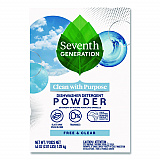
1-2 Day Delivery
$77.76 $128.16
Case of 12($6.48/Each)
Choose Your Frequency:
Volume Pricing
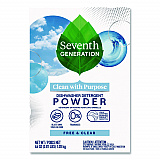
1-2 Day Delivery
$7.08 $10.68
Choose Your Frequency:
Volume Pricing
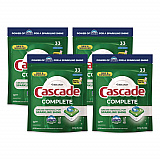
1-2 Day Delivery
$50.59 $89.60
($12.65/Each)
Choose Your Frequency:
Volume Pricing
1-2 Day Delivery
$56.11 $102.64
Case of 4($14.03/Each)
Choose Your Frequency:
Volume Pricing
1-2 Day Delivery
$8.42 $12.74
Choose Your Frequency:
Volume Pricing
1-2 Day Delivery
$65.53 $101.92
Case of 8($8.19/Each)
Choose Your Frequency:
Volume Pricing
1-2 Day Delivery
$40.94 $78.29
Case of 10($4.09/Each)
Choose Your Frequency:
Volume Pricing
1-2 Day Delivery
$3.13 $5.91
Choose Your Frequency:
Volume Pricing
1-2 Day Delivery
$26.70 $53.19
Case of 9($2.97/Each)
Choose Your Frequency:
Volume Pricing
1-2 Day Delivery
$28.08 $55.98
Case of 6($4.68/Each)
Choose Your Frequency:
Volume Pricing
1-2 Day Delivery
$55.69 $93.10
Choose Your Frequency:
Volume Pricing
1-2 Day Delivery
$55.69 $93.10
Case of 4($13.92/Each)
Choose Your Frequency:
Volume Pricing
1-2 Day Delivery
$30.47 $45.95
Case of 9($3.39/Each)
Choose Your Frequency:
Volume Pricing
1-2 Day Delivery
$67.28 $134.79
Case of 72($0.93/Each)
Choose Your Frequency:
Volume Pricing
1-2 Day Delivery
$34.45 $57.60
Choose Your Frequency:
Volume Pricing
1-2 Day Delivery
$75.74 $114.00
Case of 4($18.94/Each)
Choose Your Frequency:
Volume Pricing
1-2 Day Delivery
$24.19 $45.75
Case of 6($4.03/Each)
Choose Your Frequency:
Volume Pricing
1-2 Day Delivery
$76.58 $135.75
Choose Your Frequency:
Volume Pricing
1-2 Day Delivery
$47.69 $82.80
Case of 8($5.96/Each)
Choose Your Frequency:
Volume Pricing
1-2 Day Delivery
$3.78 $9.67
Choose Your Frequency:
Volume Pricing
1-2 Day Delivery
$36.05 $87.03
Case of 9($4.01/Each)
Choose Your Frequency:
Volume Pricing
1-2 Day Delivery
$3.78 $9.67
Choose Your Frequency:
Volume Pricing
1-2 Day Delivery
$36.05 $87.03
Case of 9($4.01/Each)
Choose Your Frequency:
Volume Pricing
1-2 Day Delivery
$36.06 $60.27
Case of 9($4.01/Each)
Choose Your Frequency:
Volume Pricing
1-2 Day Delivery
$38.30 $63.90
Case of 6($6.38/Each)
Choose Your Frequency:
Volume Pricing
1-2 Day Delivery
$54.12 $98.90
Case of 2($27.06/Each)
Choose Your Frequency:
Volume Pricing
1-2 Day Delivery
$102.29 $188.20
Case of 4($25.57/Each)
Choose Your Frequency:
Volume Pricing
1-2 Day Delivery
$73.78 $128.20
Case of 8($9.22/Each)
Choose Your Frequency:
Volume Pricing
1-2 Day Delivery
$60.77 $93.48
Case of 6($10.13/Each)
Choose Your Frequency:
Volume Pricing
1-2 Day Delivery
$10.98 $15.58
Choose Your Frequency:
Volume Pricing
Dishwashing detergents for commercial kitchens and everyday back-of-house use
Dishwashing detergents are a daily-use chemical, so performance and cost-per-wash matter. This category covers manual dish soaps and machine dishwashing detergents designed to remove grease, baked-on soils, and food residue while supporting consistent results on plates, cookware, and glassware.
Whether you are buying for a restaurant, school, office breakroom, or healthcare kitchen, the right detergent reduces rewash, protects equipment, and keeps labor predictable. With 100+ SKUs, low pricing, and 1-2 day shipping, its easy to standardize across locations or stock up for high-volume service.
Choose the right type: manual vs machine dishwashing detergents
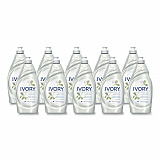
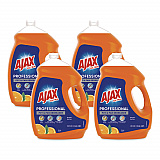
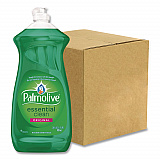
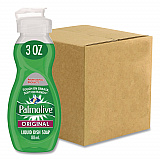
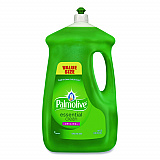
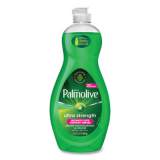
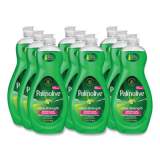
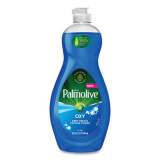
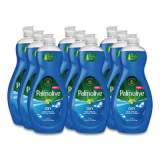
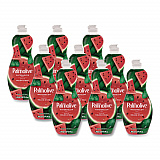
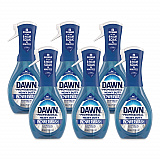
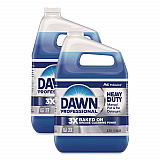
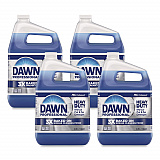
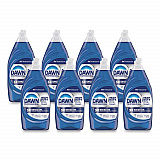
Manual dishwashing detergents (hand dish soap) are built for sink use: strong grease cutting, stable suds, and good rinsability. They are ideal for pots and pans, prep tools, and spot-cleaning during service. Popular options include Dawn, Palmolive, Ultra Palmolive, Ajax, and Seventh Generation for buyers who want familiar performance.
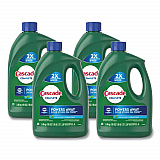
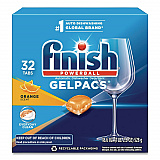
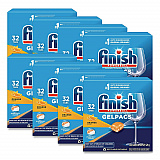
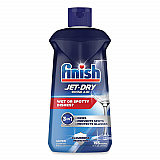
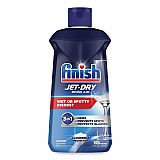
Machine dishwashing detergents are formulated for automatic dish machines and typically work as part of a program (detergent + rinse aid, sometimes with sanitizer depending on your process). Brands like Cascade, FINISH, Betco, Diversey, and ECOS PRO offer options for different water conditions and soil loads.
Key buying criteria that affect results and total cost
Soil load and grease profile: Heavy protein and starch soils need stronger alkalinity and surfactant systems than light breakroom use. If you see cloudy glassware or leftover film, the issue may be dosing, water hardness, or the detergent type - not just brand.
Water hardness: Hard water can reduce cleaning power and leave spotting or haze. In many operations, matching detergent strength to local water conditions is the fastest way to cut rewash and chemical waste.
Material compatibility: Aluminum, soft metals, and certain coatings can be sensitive to high-alkaline machine detergents. For mixed loads, choose a formula aligned to your ware mix and equipment guidance.
Fragrance and sensitivity needs: Some facilities prefer fragrance-free or plant-forward options for staff comfort and policy alignment. Others prioritize maximum degreasing for speed. Either way, consistency matters more than switching products week to week.
Packaging and storage: Bulk cases reduce unit cost and help prevent stockouts. If you are managing multiple sites, standardizing on a few core SKUs simplifies training and purchasing.
How to improve performance in dish machines
For automatic warewashing, results depend on more than detergent alone. Confirm your machine is reaching target wash temperature, check spray arms for clogs, and verify dosing equipment is calibrated. If you are seeing spots or slow drying, pairing detergent with the right rinse aid is often the fix.
When you need to address broader kitchen cleaning beyond warewashing, consider complementary categories like All Purpose Cleaners & Degreasers for surfaces and prep areas, or Disinfectants & Sanitizers for approved sanitizing steps where required by your SOPs.
Operational fit: restaurants, schools, offices, and healthcare
Restaurants and catering: Prioritize fast grease cutting, predictable rinse, and bulk packaging to keep up with peak volume.
Schools and cafeterias: Look for consistent results across varied menus and the ability to buy in cases for recurring replenishment.
Offices and light commercial: A reliable manual dish soap often covers most needs, with machine detergents for breakroom dishwashers where used.
Healthcare and senior living: Standardization and documentation matter. Choose products that align with facility policies and train staff on correct dilution and dosing.
Bulk ordering advantages and support
Dishwashing detergents are a high-turn item, so buying by the case helps protect margins and reduces emergency reorders. If you are unsure which formula matches your machine type, water conditions, or ware mix, our knowledgeable support team can help you narrow options quickly and avoid costly trial-and-error.
For related cleaning needs in restrooms and high-traffic areas, you can also shop Bathroom Cleaners to round out your chemical program and consolidate shipments.
Dishwashing Detergents FAQ
Can I use regular dish soap in a commercial dishwasher?
No. Regular dish soap can create excessive suds, reduce cleaning performance, and potentially cause leaks or equipment issues. Use a detergent specifically labeled for automatic dishwashing machines.
How do I choose a dishwashing detergent for hard water?
Hard water can cause filming and reduce cleaning power. Choose a machine detergent formulated for hard water conditions and confirm your dispenser is calibrated; pairing with the right rinse aid often improves clarity and drying.
Is buying dishwashing detergents in bulk worth it for a business?
Yes. Case purchasing typically lowers cost per use, reduces stockouts, and helps standardize results across shifts or locations. It also supports recurring replenishment for high-turn operations.
What is the difference between manual dish soap and machine dishwashing detergent?
Manual dish soap is designed for sink washing and relies on surfactants and suds to lift grease. Machine dishwashing detergents are formulated for automatic dish machines, typically low-sudsing and optimized for temperature, spray action, and controlled dosing.
Why are my glasses cloudy after washing?
Common causes include hard water minerals, incorrect detergent strength, poor rinse aid performance, or low wash temperature. Check water hardness, verify dosing, and ensure the machine is operating at the recommended temperatures.