
Cutlery Kits



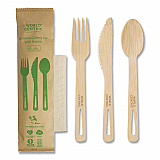
1-2 Day Delivery
$65.54 $114.25
Case of 250($0.26/Set)
Choose Your Frequency:
Volume Pricing Price/Pack
-
3 - 18$63.91
-
19+$61.17
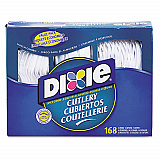
1-2 Day Delivery
$12.89 $22.88
Box of 168($0.08/Each)
Choose Your Frequency:
Volume Pricing Price/Pack
-
5 - 64$12.57
-
65 - 232$12.03
-
233+$11.81
1-2 Day Delivery
$77.33 $137.28
Case of 1008($0.08/Each)
Choose Your Frequency:
Volume Pricing Price/Pack
-
3 - 16$75.39
-
17 - 38$72.17
-
39+$70.88
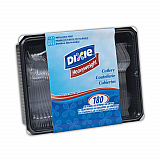
1-2 Day Delivery
$214.25 $466.90
Case of 1800($0.12/Each)
Choose Your Frequency:
Volume Pricing Price/Pack
-
2 - 7$208.89
-
8 - 14$199.96
-
15+$196.39
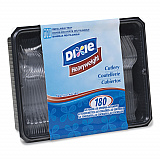
1-2 Day Delivery
$22.76 $46.69
Box of 180($0.13/Each)
Choose Your Frequency:
Volume Pricing Price/Pack
-
5 - 43$22.19
-
44 - 131$21.25
-
132+$20.87
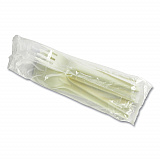
1-2 Day Delivery
$67.40 $107.10
Case of 250($0.27/Each)
Choose Your Frequency:
Volume Pricing Price/Pack
-
3 - 17$65.72
-
18 - 44$62.91
-
45+$61.79
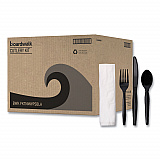
1-2 Day Delivery
$29.26 $60.73
Case of 250($0.12/Each)
Choose Your Frequency:
Volume Pricing Price/Pack
-
5 - 37$28.52
-
38 - 102$27.31
-
103+$26.82
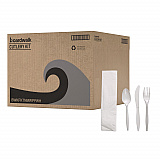
1-2 Day Delivery
$25.15 $63.42
Case of 250($0.10/Each)
Choose Your Frequency:
Volume Pricing Price/Pack
-
5 - 41$24.52
-
42 - 119$23.48
-
120+$23.06
1-2 Day Delivery
$25.15 $63.42
Case of 250($0.10/Each)
Choose Your Frequency:
Volume Pricing Price/Pack
-
5 - 41$24.52
-
42 - 119$23.48
-
120+$23.06
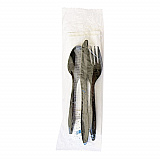
1-2 Day Delivery
$25.15 $63.42
Case of 250($0.10/Kit)
Choose Your Frequency:
Volume Pricing Price/Pack
-
5 - 41$24.52
-
42 - 119$23.48
-
120+$23.06
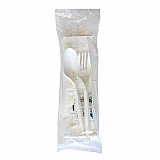
1-2 Day Delivery
$25.15 $63.42
Case of 250($0.10/Each)
Choose Your Frequency:
Volume Pricing Price/Pack
-
5 - 41$24.52
-
42 - 119$23.48
-
120+$23.06
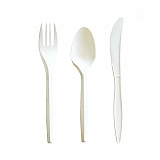
1-2 Day Delivery
$29.26 $60.73
Case of 250($0.12/Each)
Choose Your Frequency:
Volume Pricing Price/Pack
-
5 - 37$28.52
-
38 - 102$27.31
-
103+$26.82
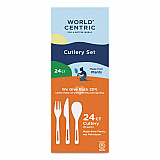
1-2 Day Delivery
$2.14 $3.25
Choose Your Frequency:
Volume Pricing Price/Pack
-
5 - 214$2.08
-
215+$1.99
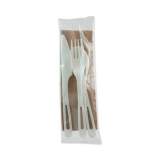
1-2 Day Delivery
$48.01 $85.08
Case of 250($0.19/Set)
Choose Your Frequency:
Volume Pricing Price/Pack
-
3 - 22$46.81
-
23+$44.81
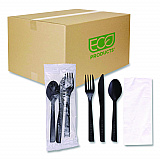
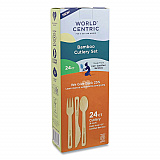
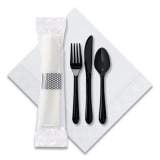
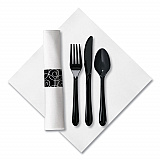
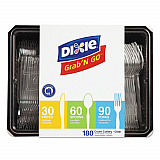

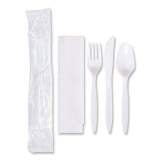
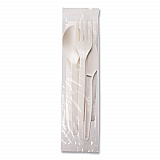
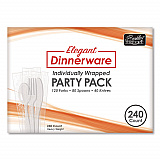


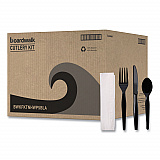
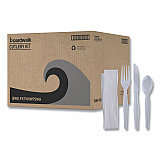
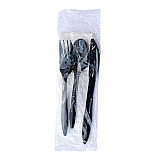
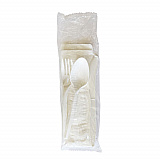
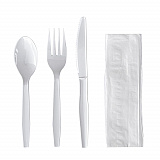
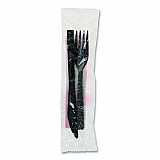
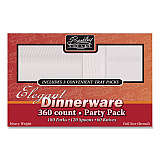
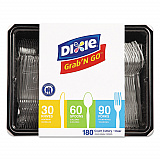
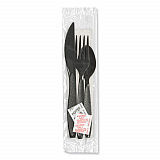
Cutlery kits for faster, cleaner service
Cutlery kits are the simplest way to standardize utensil distribution across takeout, delivery, catering, and self-serve stations. Each kit typically bundles utensils (often fork, knife, and spoon) and may include a napkin, salt and pepper packets, or other add-ins depending on the SKU. For high-volume operations, kits reduce handling time, help control portions, and support a more hygienic guest experience.
This category is built for commercial buyers who care about speed, consistency, and landed cost. With over 100 SKUs, you can dial in the exact combination, wrap style, and material while keeping purchasing straightforward for recurring reorders.
How to choose the right cutlery kit
Kit contents: match what guests actually use
Start by aligning the kit to the meal type and your service model. Full utensil sets work well for mixed menus and catering, while simplified kits can reduce waste for single-item concepts. Common configurations include:
- 3-piece sets (fork, knife, spoon) for broad menu coverage
- 2-piece sets for limited menus or specific dayparts
- Napkin-included kits for delivery and grab-and-go
- Accessory add-ons (seasonings) for convenience where permitted
If you are building a custom program, it can be useful to compare individual utensils too. For example, if your operation mainly needs one utensil type, browse Forks, Knives, or Spoons to avoid overpacking and keep costs tight.
Wrapped vs unwrapped: hygiene, speed, and perception
Most foodservice programs prefer wrapped kits to reduce touch points and keep utensils protected in transit. Wrapped kits are also easier to stage for delivery lines and catering trays. Unwrapped options can make sense for back-of-house, breakrooms, or controlled dispensing where you want to minimize packaging.
For quick-serve concepts that want a one-and-done utensil, Sporks can be a practical alternative to a multi-piece kit, especially for bowls, sides, and grab-and-go meals.
Material and strength: avoid breakage complaints
Material choice impacts performance, guest satisfaction, and compliance requirements. Typical options include:
- Plastic (various weights): good for general use, with heavy-duty options for tougher foods
- Plant-based or compostable lines: often used to support sustainability goals and venue policies
- Paper-based innovations: may suit specific programs but should be tested for menu fit
For hot foods, dense proteins, and catering service, prioritize heavy-duty utensils to reduce snapping and re-serves. If you are supplying healthcare, schools, or corporate dining, confirm any site-specific requirements for material type and packaging.
Pack size and case quantity: optimize for recurring purchasing
Cutlery kits are typically sold in case packs designed for commercial storage and predictable usage. Buying by the case helps reduce per-unit cost and keeps you in stock during busy weeks. If you manage multiple locations, standardizing on a small set of SKUs simplifies ordering and helps control freight costs.
Operational benefits for B2B buyers
Speed on the line
Pre-packed kits reduce the steps needed to assemble each order. That matters for peak periods, delivery rushes, and catering builds where seconds add up.
Consistency and inventory control
Using a defined kit makes it easier to forecast usage and reduce shrink. It also helps ensure every guest receives the same experience, regardless of shift or location.
Cleaner presentation for delivery and catering
Wrapped kits help protect utensils from moisture and handling during transport. They also look more professional in catering boxes and office drop-offs.
Brands and assortment built for commercial programs
Choose from proven foodservice brands including Boardwalk, Dixie, World Centric, Hoffmaster, SOLO, Berkley Square, Eco-Products, Pactiv, Tablemate, and Vegware. Assortment depth matters when you need to match utensil strength, packaging style, and sustainability targets without switching suppliers.
Shipping, value, and support that reduce purchasing friction
When you are buying for a restaurant group, office program, school district, or healthcare facility, reliability is part of the product. Low pricing helps protect margins, and 1-2 day shipping supports tight par levels and last-minute events. If you are unsure which kit fits your menu or compliance needs, knowledgeable customer support can help you select the right strength, wrap style, and case quantity before you commit to a bulk order.
Cutlery Kits FAQ
Do cutlery kits cost less than buying forks, knives, and spoons separately?
Often yes for high-volume programs because kits reduce labor and simplify packing. If you only need one utensil type, buying individual pieces can reduce waste and may lower total cost.
How do I choose the right strength or material for my menu?
Match the kit to your food type and service conditions. Heavy-duty options help prevent breakage with dense proteins and hot foods, while compostable or plant-based options may support sustainability goals or venue policies.
Should I buy wrapped or unwrapped cutlery kits for takeout?
Wrapped kits are typically preferred for takeout and delivery because they reduce handling and keep utensils protected in transit. Unwrapped kits can work for controlled dispensing or back-of-house use.
What case quantity should I order for a commercial operation?
Order by the case to reduce per-unit cost and avoid stockouts. Use your weekly order volume and peak periods to set par levels, and standardize SKUs across locations when possible.
What is included in a cutlery kit?
Most cutlery kits include a pre-packed utensil set (often fork, knife, and spoon). Many SKUs also include a napkin and may include seasonings depending on the specific item.