
Grocery Bags

Filters Clear All
Price
Application
Bag Closure Type
Bag Handle
Bag Handle Indicator
Bag Labeling Indicator
Bag Material Type
Bag Size Type
Bag Use Scenario
Capacity (Weight)
Color Family
Color(s)
Depth
Flat Pack/Roll
Grade
Height
Material(s)
Width

1-2 Day Delivery
$76.81 $172.51
Case of 3500($0.02/Each)
Choose Your Frequency:
Volume Pricing Price/Pack
-
3 - 16$74.89
-
17 - 39$71.69
-
40+$70.41
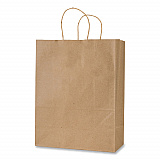
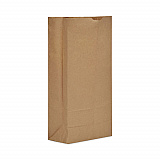
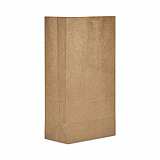
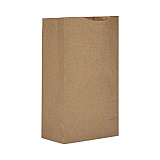
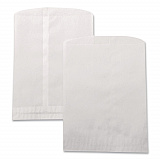
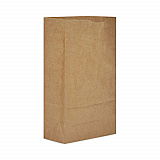
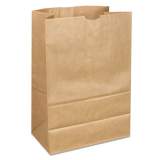
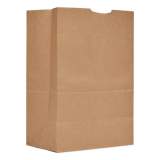
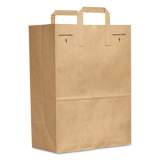
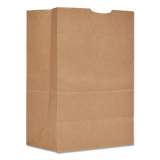
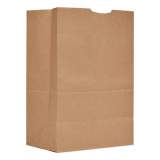
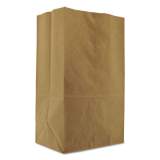
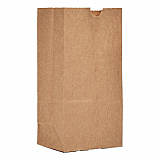
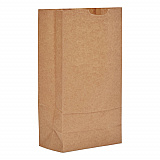

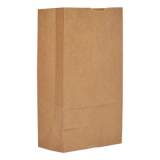
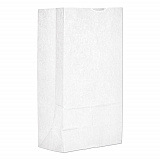
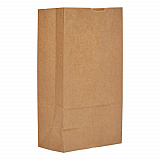
Bulk grocery bags for fast, reliable checkout
Grocery bags are a small line item that can create big problems when you run out, rip through, or fail under weight. This category is built for high-turn retail and food operations that need consistent quality, predictable sizing, and pricing that works at scale. With 100+ SKUs and 1-2 day shipping on many items, you can standardize your front end and reduce emergency reorders.
Whether you are a single location or a multi-site buyer, ordering grocery bags in bulk helps control cost per transaction and keeps storage planning simple. If you are matching an existing bag program, focus on material, size, gauge or basis weight, and handle style to keep performance consistent across shifts.
Choose the right material: paper vs plastic
Paper grocery bags
Paper grocery bags are a common choice for markets, delis, and takeout counters where presentation and recyclability matter. Look for:
- Basis weight and ply: Higher basis weight and multi-ply construction generally improves stiffness and load performance.
- Flat or satchel style: Flat-bottom styles stand up for easier packing and faster bagging.
- Print options: Plain kraft is a clean default; printed options can support branding and compliance messaging.
For pastry boxes, loaves, or items that need a cleaner presentation, pair your grocery bag program with Bakery Bags to reduce grease transfer and keep products looking sharp.
Plastic grocery bags
Plastic grocery bags are often selected for speed, moisture resistance, and compact storage. Key specs to compare:
- Gauge and strength: Thicker gauge typically improves puncture resistance and reduces blowouts on heavier loads.
- Handle style: T-shirt handles are common for quick loading and comfortable carry.
- Bag opening and width: Wider openings can speed packing for larger baskets and bulky items.
If you need a familiar checkout bag format for convenience stores and quick-service counters, browse T-Sacks & Thank You Bags for classic carryout options that many customers recognize immediately.
Sizes, strength, and use cases buyers actually care about
Match bag size to basket size
Oversized bags waste material and increase cost per sale. Undersized bags slow down packing and frustrate customers. Align bag width and depth to your typical transaction: small for grab-and-go, medium for everyday baskets, and large for family-size loads. If your operation sells mixed items (hot, cold, and pantry), consider stocking two core sizes to keep the line moving.
Plan for weight, corners, and moisture
Heavier items, sharp corners, and condensation are the main failure points. For heavier loads, prioritize higher-strength paper or thicker-gauge plastic. For wet or melting items, moisture resistance becomes critical. For frozen purchases, many buyers add Ice Bags to prevent leaks and protect other items in the order.
Foodservice crossover: when grocery bags become carryout bags
Many restaurants and cafes use grocery-style bags for takeout, catering add-ons, and multi-container orders. If you are packing hot food, sauces, or mixed containers, consider complementing your selection with Food & Utility Bags for more specialized formats and materials.
Operational buying tips: reduce cost per order and avoid stockouts
Buy by case for better unit economics
Case quantities typically deliver the best price advantage and reduce the frequency of reorders. If you manage multiple locations, standardizing on a few SKUs can simplify training, storage, and purchasing approvals while keeping performance consistent.
Confirm pack count, case cube, and storage space
Before you commit to a bulk program, verify pack count per case and how much space each case requires. Plastic bags often store more compactly, while paper bags may require more shelf depth. Planning storage up front helps avoid backroom congestion and keeps replenishment easy for staff.
Know when to use specialty alternatives
Some products simply perform better in purpose-built bags. For bottle-heavy orders or gift sales, Liquor Bags can reduce breakage risk and improve carry comfort. For unique merchandising needs, seasonal promotions, or non-standard shapes, Specialty Bags can be a better fit than forcing everything into a standard grocery bag.
Quality, consistency, and trusted supply
Consistency matters when you are buying for daily operations. This assortment includes proven brands such as Ross & Wallace Paper Products, Inteplast Group, AJM, General, and AmerCareRoyal. If you need help matching an existing bag spec or choosing the right strength for your typical load, our knowledgeable customer support can guide you to the best option without overbuying.
With low pricing, a deep SKU assortment, and fast 1-2 day shipping on many items, you can keep your front end stocked and your customers moving through checkout with fewer interruptions.
Grocery Bags FAQ
Are paper grocery bags strong enough for heavy items?
They can be, if you choose the right construction. Look for higher basis weight, reinforced bottoms, and appropriate ply. For heavier or sharp-cornered items, confirm the bag is rated for the load you expect.
Do you offer bulk case quantities and fast shipping?
Yes. Many grocery bags are sold by the case to improve unit cost, and we offer 1-2 day shipping on many items to help prevent stockouts.
How do I choose the right plastic bag gauge?
Higher gauge generally improves puncture resistance and reduces tearing. If you frequently bag canned goods, bottles, or bulky items, stepping up gauge can lower breakage and rebagging at checkout.
What bags should I use for ice or wet items?
Use purpose-built bags designed to handle moisture and melting. Ice should go in dedicated ice packaging to reduce leaks and protect other items in the order.
What size grocery bag should I buy for my store?
Match bag size to your average basket. Many operations stock two sizes: a smaller option for quick trips and a larger option for full baskets. Compare width, depth, and bottom gusset to your typical items to avoid wasted material or slow packing.