
Sprayers & Pumps

Filters Clear All
Brands
Price
Application
Capacity (Volume)
Color(s)
Connection Type
For Use With
Hose Length
Interior Volume Capacity
Material(s)
Nozzle/Sprayer Settings
Physical Form
Product Packaging
Size
Sprayer/Hose/Nozzle Type
Sprayer/Nozzle Type
Tube Length
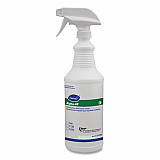
1-2 Day Delivery
$36.25 $53.12
Case of 12($3.02/Each)
Choose Your Frequency:
Volume Pricing
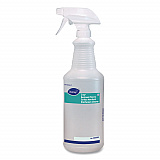
1-2 Day Delivery
$3.22 $4.58
Choose Your Frequency:
Volume Pricing
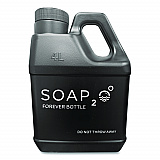
1-2 Day Delivery
$7.60 $15.30
Choose Your Frequency:
Volume Pricing
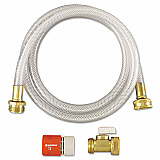
1-2 Day Delivery
$33.54 Great news! The price of this item drops at checkout, but we can't show it here due to manufacturer restrictions. Add it to your cart to see your exclusive deal!
Choose Your Frequency:
Volume Pricing
1-2 Day Delivery
$41.41 $53.84
Case of 12($3.45/Each)
Choose Your Frequency:
Volume Pricing
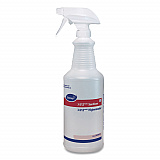
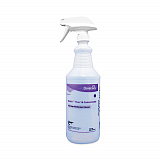
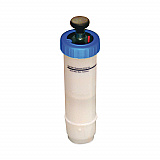
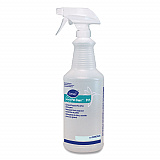
Sprayers & Pumps FAQ
Are pump-up sprayers worth it for large areas?
Yes. Pump-up sprayers reduce refills and provide steady coverage for larger restrooms, back-of-house areas, and floor pre-spray tasks. They can save labor time when used with the right chemical and spray pattern.
How do I know if a sprayer is chemical resistant?
Check the manufacturer specs for compatible chemical ranges and seal materials. Strong alkalines, solvents, and some disinfectants can degrade standard triggers, so selecting a chemical-resistant model reduces leaks and early failure.
Should I buy sprayers in bulk or as needed?
Bulk purchasing is usually more cost-effective for facilities with recurring cleaning. Keeping spare triggers and pump assemblies on hand reduces downtime, prevents emergency freight costs, and helps standardize performance across locations.
Which sprayer type is best for disinfectants and daily cleaning?
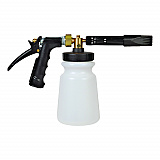
For most ready-to-use disinfectants and general cleaners, a commercial trigger sprayer with an adjustable nozzle is the most practical. If you need longer dwell time on vertical surfaces, consider a foaming sprayer. Always confirm chemical compatibility with the sprayer materials.
Why do trigger sprayers stop working or leak?
Common causes include clogged nozzles, worn seals, chemical incompatibility, or damage from drops. Rinsing when switching chemicals, using dedicated labeled bottles, and stocking replacements typically solves the issue.