
Disinfectants & Sanitizers
Filters Clear All
Brands
- LYSOL Brand
- Clorox
- Diversey
- Lysol
- Betco
- Clorox Healthcare
- Comet
- PURELL
- Windex
- Fantastik
- 3M
- AbilityOne
- Alpha Chemical
- Benefect
- Big-D
- Boardwalk
- Chase Products
- Claire
- Clean Quick
- DCT
- Dymon
- FAST ORANGE
- Fiberlock Technologies
- Fit
- Formula 409
- FRYFLEX
- Maxim
- Misty
- Opti-Cide Max
- Oxivir
- Pine-Sol
- Pure Bright
- Rubbermaid Commercial
- SC Johnson Professional
- Scrubbing Bubbles
- Seventh Generation
- simple green
- Spic and Span
- Tide
- Wexford Labs
- Zep
- Zep Commercial
Price
Applicable Material
Application
Capacity (Volume)
Capacity (Weight)
Chemical Compound
Compatible With
Dirt Types
Packing Type
Physical Form
Product Packaging
Scent
Volume Capacity
1-2 Day Delivery
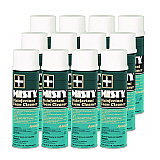
$71.82 $96.51
Case of 12($5.99/Each)
Choose Your Frequency:
Volume Pricing
1-2 Day Delivery
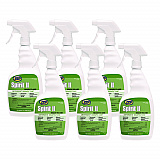
$88.74 $133.13
Case of 12($7.40/Each)
Choose Your Frequency:
Volume Pricing
Disinfectants & Sanitizers FAQ
Are these products safe on stainless steel and finished surfaces?
Some actives can discolor, dull, or corrode certain materials if overused or left to dry. Check the label for surface compatibility, follow dilution directions, and test in an inconspicuous area. For appearance maintenance, use a dedicated stainless steel cleaner after disinfection where appropriate.
Do disinfectants need a specific contact time to work?
Yes. The surface must stay visibly wet for the contact time listed on the label to achieve the stated kill or sanitizing claim. If your process cannot maintain wet time, select a product with a shorter contact time or a different format.
How do I choose between wipes and spray disinfectants?
Choose wipes for fast application on small, high-touch surfaces and when you need to maintain wet contact time easily. Choose sprays or foams for larger areas, better coverage, and when wipes would be wasteful. For lowest cost per use, consider concentrates if your team can mix accurately.
What is the difference between a disinfectant and a sanitizer?
A disinfectant is labeled to kill or inactivate pathogens on hard, non-porous surfaces when used per the required contact time. A sanitizer reduces bacteria to public health standards and is often used on food-contact or high-turnover surfaces. Always follow the product label.
What should I buy in bulk to avoid running out?
For most facilities, case packs of disinfecting wipes cover daily high-touch cleaning, while concentrates reduce cost per use for larger areas and janitorial programs. Standardizing a few approved SKUs makes reordering easier and reduces training and compliance issues.