
Food Warming Equipment

Categories
Filters Clear All
Price
Capacity (Volume)
Case
Color(s)
Fuel Type
Gauge
Grade
Ignition
Length
Material(s)
Packing Type
Physical Form
Product Packaging
Steam Table Part Type
Stove Type
Thermal Energy
Volume Capacity
Width
Shop Popular Categories
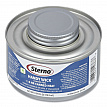
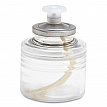
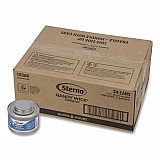
1-2 Day Delivery
$130.55 $250.23
Case of 24($5.44/Each)
Choose Your Frequency:
Volume Pricing
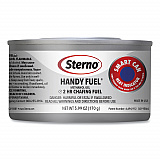
1-2 Day Delivery
$88.25 $169.15
Case of 72($1.23/Each)
Choose Your Frequency:
Volume Pricing
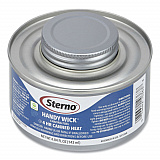
1-2 Day Delivery
$65.51 $116.80
Case of 24($2.73/Each)
Choose Your Frequency:
Volume Pricing
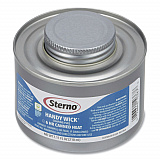
1-2 Day Delivery
$130.07 $204.54
Case of 24($5.42/Each)
Choose Your Frequency:
Volume Pricing
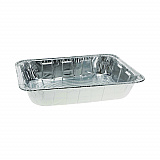
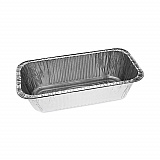
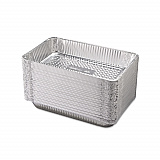
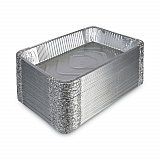
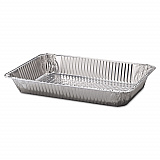
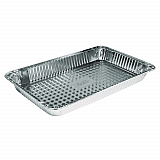
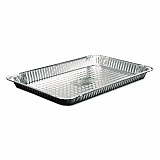
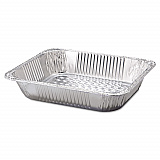
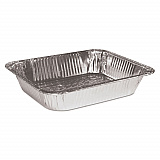
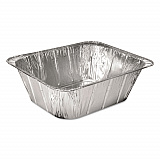
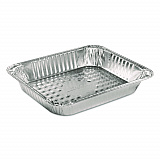
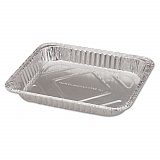
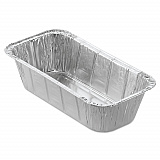
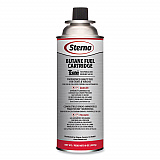
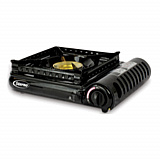
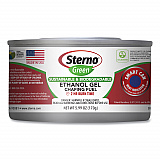
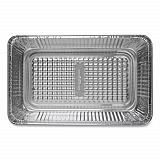
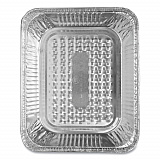

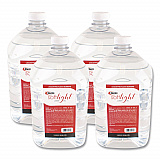
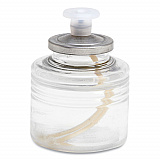
Food Warming Equipment for Reliable Hot Holding
Food warming equipment helps you hold temperature, protect food quality, and keep service lines moving. Whether you run a restaurant, cafeteria, catering operation, or office kitchen, the right warming setup reduces waste and supports consistent portions during rush periods.
This category focuses on practical, commercial-ready warming solutions you can reorder in volume. With 100+ SKUs, price-advantaged bulk options, and 1-2 day shipping on many items, its built for recurring purchasing and tight timelines.
Common use cases
Buyers typically use warming supplies for buffet lines, catered events, back-of-house staging, and temporary service stations. Many operations also keep backup warming fuel and accessories on hand to avoid downtime when demand spikes.
Choose the Right Warming Method
Fuel-based warming for portable service
For off-site catering and mobile setups, fuel-based warming is often the simplest option. Canned fuel and related accessories provide steady heat without electrical requirements, making them ideal for chafers and portable buffet lines. If you need a dedicated subset for event service, start with Canned Heat to match burn time, heat output, and pack size to your volume.
Countertop and station warming
For fixed locations, countertop warmers and station-based solutions help maintain serving temperature while keeping product accessible. Consider your menu (soups, sauces, sides), holding duration, and whether you need wet or dry heat. When you need a compact heat source for quick setup, Butane Stoves & Lighters can support portable warming and light-duty cooking tasks where permitted.
Steam table support and replacements
Steam tables are a staple for high-throughput lines, but performance depends on well-fitting components. If your unit is underheating, leaking, or inconsistent, replacing worn parts is often faster and cheaper than replacing the whole station. Use Steam Table Parts to find the specific pieces that restore safe, even holding.
Key Buying Factors (What Procurement Cares About)
Temperature control and food safety
Hot holding is about consistency. Choose equipment and fuel that can maintain stable heat for the full service window. Always follow your local food code and internal HACCP procedures for minimum hot-holding temperatures, monitoring frequency, and corrective actions.
Capacity, footprint, and workflow
Match capacity to throughput and pan configuration. Measure your counter space and service line layout before ordering. For high-volume operations, buying standardized sizes across locations simplifies training, replacement, and reordering.
Operating cost and replenishment planning
Fuel and consumables are recurring costs. Bulk purchasing helps control per-unit cost and prevents last-minute shortages. If you run multiple events per week, consider setting reorder points based on average burn time and event duration.
Durability and parts availability
Commercial environments demand repeatable performance. Prioritize products with readily available replacement parts and clear compatibility details. This reduces downtime and keeps total cost of ownership predictable.
Build a Complete Service Setup
Warming is only one part of a smooth line. If you are building a beverage station alongside hot holding, add Beverage Equipment for a more complete front-of-house setup. For staging and assembly near the line, Prep Tables & Stations can improve speed and reduce cross-traffic. And if you need to move hot pans, fuel, or backup supplies between areas, Service Carts help keep service organized and safer during peak hours.
Brands and Assortment You Can Reorder With Confidence
This category includes widely used brands such as HFA, Sterno, Boardwalk, and Pactiv. The assortment is built for repeat purchasing: warming fuel, accessories, and supporting items that operations rely on every week. If you need help matching fuel type, burn time, or replacement parts, customer support can help you confirm the right fit before you place a bulk order.
Ordering Tips for Faster Turnaround
Standardize SKUs across locations
Standardization reduces training issues and simplifies purchasing. It also makes it easier to keep a single backup inventory for multiple sites.
Buy in case quantities for events and peak seasons
For catering and seasonal volume, case packs help you stay ahead of demand. Bulk ordering also improves unit economics and reduces emergency freight costs.
Confirm compatibility before you reorder parts
For steam table components and accessories, verify model details, dimensions, and connection types. A quick check prevents delays and returns.
Food Warming Equipment FAQ
Can I buy food warming supplies in bulk for multiple locations?
Yes. Bulk ordering helps standardize SKUs, reduce per-unit cost, and avoid last-minute shortages. It also supports recurring purchasing for fuel and other consumables.
Do I need replacement parts or a new steam table?
If the unit structure is sound, replacing worn components is often the fastest fix. Check for poor heating, leaks, or fit issues, then match the correct parts by size and compatibility.
How do I choose the right canned heat burn time?
Estimate your holding duration, then add buffer time for setup and delays. For high-volume events, buying by the case helps ensure consistent heat output across multiple chafers.
What food warming equipment is best for catering and off-site events?
Fuel-based warming is typically the most portable option. Choose canned fuel with the burn time you need, and keep extra units on hand to cover setup time plus the full service window.
What should I consider to keep hot-held food safe?
Use equipment that can maintain stable holding temperatures and follow your local food code and internal monitoring procedures. Track temperatures during service and document corrective actions when needed.